From Dr. Natalie Meiri’s Clinical Pearl Stories: Chiropractic Helps You Overcome Addiction


Author: Natalie Meiri, D.C.           Posted: 8/9/23


This was a 25 year old male patient with a chief complaint of acute right sided cervical (neck)/thoracolumbar (mid/lowback) spine and right shoulder pain. To be HIPAA compliant, I will call him Kenny instead of his real name. Currently, Kenny was in an alcohol and drug rehab facility. He stated there had been a “chiropractor at the facility yesterday who gave him a 15 second crack which did nothing for him”.


Kenny had a history of multiple car accidents and falls over the years. He even had an injury last year where he had to have stitches to his right shoulder when he fell off a roof.  Kenny had been to a chiropractor in the past who combined the adjustment with soft tissue techniques and physiotherapy which gave him some relief.  Furthermore, being a recovering alcoholic, he couldn’t take any drugs for the pain. This was why he presented to my office.


Kenny’s Examination and Imaging

Upon examination he had painful spasmed muscles and tenderness all around the right shoulder, thoracolumbar (mid/lowback) spine, and cervical (neck) spine. Also, Kenny’s range of motion was limited. He wasn’t able to raise his arm past his head and could not bend forward at the waist due to pain.

His sensory examination showed a pattern of numbness and pain down his arms and legs in multiple dermatomes (areas of skin on your body that rely on specific nerve connections in your spine). Kenny had positive tests to indicate he had sprained and strained his neck, back and right shoulder.  Then he remembered during the exam he had recently been in yet another car accident. Additionally, he had chronic neuropathy in his neck and back.

His cervical (neck) x-rays showed loss of cervical lordosis (straightening) consistent with cervical myospasm for a sprain.  His thoracic x-ray showed a curvature with a  right convexity (abnormal curve) consistent with thoracic myospasm. If he wasn’t responding to care in a month, I would order a M.R. I. (magnetic resonance image).


Substance abuse, addiction and Chiropractic

Firstly, substance abuse and addiction are universally recognized as diseases that disrupt and damage neurotransmitters in the brain, causing a disturbance to production levels of chemicals.  Misalignments (chiropractic subluxation/fixation) in the spine interfere with normal functioning of neurotransmitters, such as serotonin and dopamine. Chiropractic adjustments correct and normalize functioning in the nervous system.  Moreover, chiropractic care eases stress, and anxiety. Ultimately, chiropractic affects an addict’s thoughts and emotions to improve positively.  Without improvement, the feelings of anxiety, depression, and mood swings results in an uncontrollable compulsion to consume the substance of addiction.


Secondly, Chiropractic can help addicts work through pain holistically and learn healthy alternatives for pain management.  Indeed, pain is especially common in those suffering from prescription drug addiction, and often leads people to abuse medications in an attempt to control discomfort.  In fact, for many individuals suffering from addiction, physical pain is one of the primary causes of substance abuse. Developing a rehabilitation plan that treats the physical and mental dependence on drugs or alcohol is important.


Thirdly, many addicts report that, in an attempt to manage pain, they began misusing prescription pain medication.  A tolerance often builds in people who suffer from long-term pain. Therefore, they start taking more of the medication to manage discomfort. So identifying and relieving pain without the use of prescription medications is key.  Alternative therapy programs have shown to support and enhance the outcome of treatment for substance abuse and chemical dependence. In conclusion,  detox, counseling, and physical rehabilitation (chiropractic care) are all necessary elements of addiction recovery programs. 

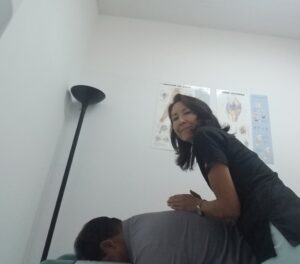
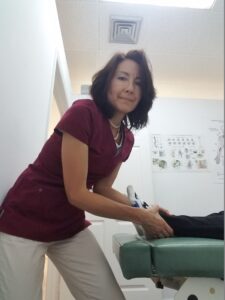
Dr. Natalie Meiri adjusts the neck of a patient


Kenny’s Treatment at Meiri Chiropractic

It is common to have pain and neuropathy in your shoulder and spine after a car accident. 

Chiropractic manipulative treatment techniques rendered to Kenny’s right shoulder and spine treated the sprain/strain.

Our other therapies, such as soft tissue techniques, therapeutic exercise, electric muscle stimulation, ice/ heat therapies and homeopathic consultations provided additional relief. It took a few months of care, but Kenny was pain free and got his range of motion back.  Kenny is continuing his chiropractic care in his hometown following his discharge/graduation from the addiction facility.


 Chiropractic Helps You Overcome Addiction

At Meiri Chiropractic we spend the time necessary to examine, diagnose and treat every neuromusculoskeletal condition and various ailments you have.  Chiropractic is a holistic and natural way to not only treat existing conditions, but to keep your body in its best working condition.  We have been offering effective chiropractic care in Palm Beach county since 2006.  Many of our patient reviews note our excellence.  Call us today at 561-253-8984 to make an appointment or to find out more about Chiropractic Helps You Overcome Addiction.


Chiropractic physicians are “primary contact providers” which means you can go directly to your chiropractor for an examination, diagnosis and treatment. In Florida, there is a large scope of practice besides from spinal and extremity (limb) adjustments (chiropractic joint manipulation): various manual therapies, physiologic therapeutics, exercise, nutritional/dietary counseling, and natural medicine (e.g. homeopathy).  Although there is a great difference in each chiropractor’s practice, nearly all utilize manual therapy with an emphasis on adjusting techniques.


What is Manual Therapy?

Manual therapy includes all procedures that use the hands to mobilize, adjust, manipulate, create traction, or massage the somatic (joint or soft tissue) or visceral structures of the body.

The aim is to get joint motion through either nonthrust techniques (mobilization) or thrust techniques (chiropractic adjustment/ thrust manipulation). Furthermore, these procedures improve range of motion as well as the quality of motion.  So by normalizing function, the pain goes away. Indeed, manual therapy is a treatment for Neuromusculoskeletal disorders with joint pain and dysfunction. 


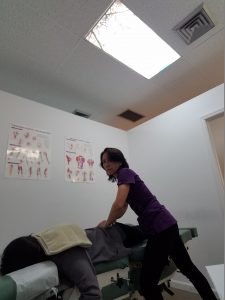
Dr, Meiri adjusts a patient


The Chiropractic ADJUSTMENT


Central to the practice of chiropractic, it is the chiropractor’s specialty. Moreover, adjusting procedures are a key distinguishing feature of chiropractic practice. Chiropractors commonly use such procedures to influence joint and neurophysiologic function.

However, most chiropractors do not limit their practices to solely adjustments. Many conditions require additional therapy (e.g. electric muscle stimulation, soft tissue techniques, therapeutic exercise, ice/heat therapy, lifestyle/nutritional/ergonomic counseling, homeopathy).


Chiropractic Technique


More than 100 different named chiropractic technique systems have been developed within the chiropractic profession. These systems are a wide variety of diverse procedures: thrust and nonthrust joint manipulation/adjustment, soft tissue manipulation, manual or motorized traction, etc. And they all involve force, leverage, direction, amplitude, and velocity.

Many chiropractors do not equate an adjustment with a thrust. In fact, some chiropractic technique systems do not incorporate thrust procedures at all.  However, it is the thrust attribute that is a central distinguishing feature of the chiropractic adjustment. What’s more, the amplitude and velocity of the adjustive thrust vary depending on the patient’s need and condition (e.g high velocity–low amplitude (HVLA) force of controlled velocity, depth, and direction).

Certainly, the adjustment is a specific form of direct articular manipulation, using either long-or short-leverage techniques with specific contacts characterized by a dynamic thrust of controlled velocity, amplitude, and direction.


Some Techniques


Flexion Distraction (COX) Technique/Motorized Lumbar Distraction/ Manual or Motorized Cervical Traction


First, Flexion-distraction is a mechanically assisted form of joint mobilization or distraction. It has been advanced in chiropractic by the work of chiropractor James Cox.

Second, Motorized Lumbar (low back) Distraction can be used to assist in the production of lumbar traction. Traction to the lumbar spine is applied in the prone (face down) position while the pelvic section of the table produces continuous passive motion in the long axis of the spine.

Third, Manual Cervical (neck) traction can be applied manually or with mechanical assistance. Manual cervical traction is generally accomplished with the patient in the supine (face up) position.

Fourth, Traction and Distraction techniques restore normal physiological range of motion to the cervical (neck), thoracic (mid back) and lumbar (low back) spinal joints. The manipulation is a gentle, non-force adjusting procedure that works with the body’s natural design to aid in healing.

Finally, these techniques transfer metabolites into the spinal disc, decrease intradiscal pressure and decompress inflamed or compressed spinal nerve roots.


Diversified Chiropractic Technique

This is one of the most commonly used techniques in chiropractic. It involves application of “a short (low-amplitude), quick (high-velocity) thrust over restricted joints (one at a time). Of course the goal is to restore normal range of motion in the spine and extremity joints.

Musculoskeletal disorders, Migraine headaches, Pregnancy-related issues, ​inward curvature of the neck are all conditions which respond to this technique. 


Thompson Technique

Thompson Technique uses an adjusting table with a pneumatically driven, segmented drop system.  Next using minimal force, the doctor thrusts at high speed, allowing the fast drop to carry the joint through its range of motion. It is a gentle and effective technique.


Sacro Occipital Technique (SOT)

It was developed by Bertrand DeJarnette, DC. SOT believes adjusting one segment of the spine can cause change in another.

Dr. DeJarnette theorized that structural changes of the cranial bones could affect the movement of cerebrospinal fluid. Thus, SOT addresses the positioning of the cranial bones using a method called craniopathy.

SOT addresses pelvic subluxations by blocking. This involves blocks placed beneath the pelvis with the patient lying face-up. Above all, SOT integrates with other chiropractic systems, allowing for use of a variety of techniques within the SOT system.


Instrument Adjusting

A small handheld spring-loaded adjusting instrument is used.  It delivers a controlled and reproducible impulse to the spine and extremities.  This is an alternative to manual manipulation of the spine or extremity joints. Surely, Instrument Adjusting has grown to become one of the most commonly used in today’s practice (National Board of Chiropractic Examiners Survey, 2000). Similarly, this technique offers the flexibility to perform a chiropractic adjustment on a variety of patients, regardless of age or condition.


Chiropractic in West Palm Beach: Various Adjustments and Techniques


Dr. Natalie Meiri is a graduate of New York Chiropractic College (NYCC).  And all the techniques above are part of the NYCC curriculum.   In addition to joint manipulation and adjustment to the spine and peripheral joints, at Meiri Chiropractic, we use soft tissue procedures, hot and cold modalities, stretching exercises, rehabilitation exercises, and homeopathic consultations.

At Meiri Chiropractic in West Palm Beach we spend the time necessary to examine, diagnose and treat every neuromusculoskeletal condition and various ailments you have. Through regular chiropractic visits, you can get pain relief and improve function. Chiropractic is a holistic and natural way to not only treat existing conditions, but to keep your body in its best working condition.  Meiri Chiropractic has been offering effective chiropractic care in Palm Beach county since 2006.  Many of our patient reviews note our excellence.  Call us today at 561-253-8984 in West Palm Beach to make an appointment or to find out more about Chiropractic in West Palm Beach: Various Adjustments and Techniques.


A common reason why you have joint fixation/ chiropractic subluxation and dysfunction is due to the soft tissue surrounding your joints.  Injury to this soft tissue can result in fibrosis and loss of elasticity and strength.  Acute (sudden and intense) and repetitive trauma to muscular, tendinous, fascia or ligamentous tissue results in fibrosis (thickening or scarring of the tissue). Read on to find out Why You Should Get Chiropractic Care After an Injury.


Inflammatory Response

Whatever injury you experience, an inflammatory response happens which accumulates extracellular exudates (pus) and blood. Exudate is fluid that leaks out of blood vessels into nearby tissues. This fluid is made of cells, proteins, and solid materials.  Platelets (clotting cells) then release thrombin (enzyme in blood plasma which causes the clotting of blood) converting fibrinogen into fibrin.  Then this organizes into collagenous scar tissue.  In conclusion, a variety of soft tissue and articular (joint) adhesions result.

The adhesions can be often excessive in the case of traumatic neuromusculoskeletal injuries.  Therefore, early chiropractic treatment will limit the extent of the inflammatory response leading to the articular adhesions. So the goal in this phase of treatment would be to reduce pain, muscle spasm and to promote early pain free repair. 

Connective Tissue Repair

Firstly, the exudates that form from injury and inflammation set the stage for the next step in the process of connective tissue repair. Exudates provide the basis for the development of granulation tissue (new healing tissue) and scar formation.  Secondly, the formation of granulation tissue is predominantly carried out by the proliferation of fibroblasts (connective tissue producing cells).  And collagen tissue is produced and placed in the repair area. Thirdly, at first, the collagen is not well placed and additional collagen cross linkages along lines of stress are deposited to improve strength in the area.  Fourthly, the repair and remodeling process may take months.  However, without treatment, it may result in less than optimal healing of the involved tissue.  This will mean less range of motion and strength in the injured area.


Myofascial Cycle

Painful conditions triggering persistent muscle hypotoncity (decreased muscle tone) are additional sources of restricted joint motion.  Muscle spasm/contraction  may be a source of pain and muscle hypotoncity.  Moreover, the joint’s surrounding muscles may splint and block (passive) joint movement.  The muscle splinting may be a protective reaction to the injured area. Continued persistent contractions after awhile may develop into muscle contractures.  And this is due to adaptational shortening and loss of elasticity from disuse.

Furthermore, muscle strain may lead to pain which leads to muscle splinting and vasoconstriction.  And this leads to retained metabolites and edema (inflammation). Vasoconstriction (narrowing of blood vessels) ischemia (inadequate blood supply) leads to joint dysfunction and myofascial syndromes.  Additionally, sustained contraction of muscles leads to fibrous reactions and finally soft tissue contractions, persistent join and somatic (body) dysfunction.


Muscle Strain

Muscle strain leads to pain, which leads to muscle splinting, which leads to retained metabolites and edema (inflammation). 

Ailments capable of producing acute muscle contraction or muscle strain are:  physical trauma, structural inadequacies, visceral (organ) disease, emotional distress/tension, uncoordinated movements, exposure to cold, Repetitive use, chronic postural stress, exposure to cold.


Immobilization

Inappropriate immobilization (preventing movement) slows the process of recovery.  It leads to a loss of strength, flexibility and potential intra-articular (joint) adhesions.  Immobilization also leads to dehydration of the joint causing further problems. Chiropractic adjustments will increase flexibility and restore motion after an injury. Then your pain and inflammation will go away. Indeed, immediate and appropriate chiropractic care provides the best chance for optimal healing and an early return to your sport or life activities. 


Dr. Natalie Meiri
Why You Should Get Chiropractic Care After an Injury: Chiropractic Restores Motion

Spinal and extremity (limbs) adjustments along with recommendations from your chiropractor regarding stretching and strengthening exercises, nutrition, and lifestyle changes can successfully treat a number of common, chronic and acute injuries. Besides from becoming a peak performance athlete, regular chiropractic care will help with digestion, improve sleep, and increase energy. Regular chiropractic adjustments help avoid many of the disorders that take shape as illness.

Are you looking to get out of pain fast, perform better and reduce injuries? Dr. Natalie Meiri, a chiropractor in West Palm Beach can definitely help you! Call 561-253-8984 today to make an appointment or to find out more about Why You Should Get Chiropractic Care After an Injury .


A Chiropractor in West Palm Beach can help you with many ailments by way of adjustments. However, the food you consume on a daily basis has a very large impact on your body and the thousands of underlying processes that go on inside it every day. Nutrition is certainly a significant factor in your health. So some of your lifestyle choices outside of the doctor’s office can influence the effectiveness of treatment. When you eat well, your immune system fights off illness better, you elevate your brain function, and your energy soars. By incorporating certain foods into your diet, you can contribute to faster healing, continued wellness and peak performance.

In this post we will look at Sports Nutrition: Tips on Your Diet Along With Chiropractic Care.

  1. Calories


Firstly, athletes training for a competition need more calories than the average person. Early fatigue, muscle tissue loss and amenorrhea (absence of menstrual periods for 3 months or more) in women may occur with inadequate calorie intake. Some athletes will decrease calorie intake to compete in lower weight categories or to attain certain body shapes.  This can impair performance and have other side effects.


Secondly, programs for weight gain or weight loss should be gradual with a 2 lb/wk change. And the change should improve lean to fat ratio (lean tissue to body fat) of body composition.


Thirdly, you can use a formula for finding the ideal energy/calorie requirements: body weight  x  C (30 for kids and 24 for adults) + type of exercise:

golf 3.6-4.8, baseball 4.1-5.3, basketball 6.0-8.5, dancing 3.6-4.8, running 9.7-17.2, swimming 3.4-9.7, tennis 6.0-8.5, wrestling 11.1 and walking 2.9-5.8, rowing 12.0, volleyball 4.8-8.5, soccer 7.8, cycling 4.8-9.7, football 7.3, mountain climbing 8.7, skating 4.8-8.7, skiing downhill 8.5, skiing cross country 9.7, handball 8.5

  1. Carbohydrates


Carbohydrates (fiber, starches and sugars) are important for athletes in intense, strenuous training.  You will need glucose to give you the energy to finish your training or competition.  It should make up a majority of your diet to sustain the activities (60-70% of total calories in the diet).  Avoid processed, refined (e.g. white flour) and high carb foods (e.g. potato chips, sugary deserts).  Choose healthier fruits, vegetables, sweet potatoes and whole grains (e.g. organic brown rice, quinoa).


  1. Protein

Typically, protein intake should be increased for most competitive athletes.  Intense training especially for muscle growth and increased strength requires more.  Furthermore, it’s best if protein increase is achieved through the normal (15%-30%) protein diet with adequate calorie intake.  Try high quality protein such as lean poultry and eggs. Opt for fish (e.g. salmon), high quality natural yogurt (probiotic source), and vegetable protein (e.g. beans).  Of course, protein supplements (e.g. whey protein)  can assist. 


  1. Fats

Due to the increased amount of carbohydrates and protein needed by the athlete, fat intake has to be limited.  Therefore, fats should represent less than 30% of the diet.  But you do need fats for many important processes such as muscle movement and reducing inflammation. So saturated fat (e.g. butter, fatty meats) should be kept below 10% due to the many health risks.

Eat good fats such as monounsaturated (e.g. extra virgin olive oil, avocados) and polyunsaturated fats (omega 3 and 6). Consume salmon and chia seeds for Omega 3 fats.  And examples of plant based omega 6 fats include flaxseeds and walnuts.


  1. Fluid

Dehydration can decrease athletic performance.  Intense exercise causes significant loss of water mostly through perspiration.  And exercising in very hot weather and/or humidity makes you sweat more.  High exercise intensity, high air temperature and high relative humidity conditions can lead to hyperthermia.  Hyperthermia  also called heatstroke, is a condition in which a body gets so hot that it can no longer cool itself.  Hyperthermia affects sports performance by reducing muscular endurance/ contractions.  It changes the way the body generates energy.  Indeed, staying hydrated is detrimental to peak performance and avoiding hyperthermia.


Dehydration occurs when athletes don’t drink enough before competition and training or can’t drink enough during it to replace the water lost through sweating.  Athletes should drink one to two cups of water 2 hours before exercise and again 15 minutes before to hydrate the tissues.  During exercise, 4- 8 oz of water every 15 minutes should be taken depending on intensity and climate conditions. Bottom line, athletes should drink at least 10 ounces or 10 cups of water throughout the day. 


  1. Electrolytes


With exercise lasting many hours, electrolyte loss may be significant.  Especially with ultra endurance sports having over 4 hours of activity, electrolyte replacement becomes necessary.  Many sports drinks supply the necessary electrolyte amount. The following is a home made remedy:  1 quart of water + ½ cup of orange juice + 1/8 tsp of salt.


Water intoxication can occur in ultra-endurance athletes drinking low-sodium fluids such as soft drinks during exercise.  Also called water poisoning, this can occur when sodium levels in the blood are dangerously low.  This can be life threatening for athletes who participate in marathons or triathlons.  Sports drinks utilized in training and competition should contain at least 230 mg of sodium, 195 mg of potassium and 355 mg of chloride per quart. And Coconut water is a great alternative to sugary sports drinks, which often pack in extra chemicals and added ingredients.


  1. Vitamins, Minerals and Supplements

First, vitamins are essential in many body functions during exercise.  Exercise also increases metabolism which increases the body’s vitamin requirements.  Deficiencies of certain vitamins may impact performance.  But if your diet is well-balanced and contains the necessary calories, most vitamins maybe obtained in sufficient quantity from your diet alone.  Similarly, increased food consumption associated with heavy training/competition minimizes deficiency risks of minerals (e.g. magnesium, iron, zinc and chromium).


Second, some studies show vitamin C and  pantothenic acid (B vitamin) may enhance exercise performance.  Vitamin E may help in repairing exercise-induced muscle tissue damage.


Third, calcium consumption is important in minimizing athletic amenorrhea (abnormal absence of menstruation), bone loss and stress fractures.


Fourth, some athletes report increased endurance with caffeine, 5 mg/kg of body weight prior to exercise.  In one research study, Chinese ginseng, 1000 mg/d enhanced sports endurance, fitness and muscular strength.  Add spinach to your  protein shake which is is a good source of vitamin C, potassium, iron, manganese and folate.  Lastly, berries (e.g. blue berries) are rich in antioxidants, which can aid in cellular regeneration, help heal muscle tissues and speed up recovery time post-workout.


Dr. Natalie Meiri


Sports Nutrition: Tips on Your Diet Along With Chiropractic Care


As is the case with all diets, the athlete’s diet should be compatible with long term nutritional health goals. Also, deficiency prevention or harmful excesses have to be avoided.  And depending on the particular Sport activity, special dietary changes should be made.  Finally, some athletes may have preexisting health problems or other current problems that must be addressed.

West Palm Beach Chiropractor, Dr. Natalie Meiri of Meiri Chiropractic

Dr. Natalie Meiri has treated patients for over 20 years with sports injuries.  She has been helping athletes stay active and injury free.  In addition to joint manipulation and adjustments to the spine and peripheral (limb) joints, at Meiri Chiropractic, we use soft tissue procedures, hot cold modalities, rehabilitative exercises, recommend ergonomic and nutritional changes. 

Get fast pain relief and function better from the best chiropractic clinic in West Palm Beach.  Be at your peak performance! Contact Dr. Natalie Meiri today at 561-253-8984 to make an appointment or to find out more about Sports Nutrition: Tips on Your Diet Along With Chiropractic Care.


References: Jame Gerber, Hand book of Preventative and Therapeutic Nutrition, 1993

References: Handbook of Preventative and Therapeutic Nutrition by James M. Gerber,M.S., D.C.

Prescription for Nutritional Healing (3rd edition), Phyllis A. Balch, CNC


A Chiropractor in West Palm Beach can help you with many ailments by way of adjustments. However, the food you consume on a daily basis has a very large impact on your body and the thousands of underlying processes that go on inside it every day. Nutrition is certainly a significant factor in your health. So some of your lifestyle choices outside of the doctor’s office can influence the effectiveness of treatment. When you eat well, your immune system fights off illness better, you elevate your brain function, you lose weight and your energy soars. By incorporating certain foods into your diet, you can contribute to faster healing and continued wellness. 

In this post we will look at Joint Disease: Tips on Your Diet Along With Chiropractic Care.


  1. Nightshade-Free Diet

Certain wild plants belonging to the Solanaceae (nightshade) family are known to cause arthritis and joint pain with consumption.  When avoided, joint pains are said to subside.  This Nightshade-free diet was developed by Norman Childers, an established professor of horticulture, at Rutgers University. Around age 50 he developed arthritis and diverticulitis requiring a colostomy. Eventually he realized that nightshades triggered his arthritis pain, often within less than an hour of consumption.

The Nightshade family includes:

-Tomatoes

-potatoes (white)

-peppers (hot and sweet)

-eggplant

-tobacco   


  1. Reduce Inflammation by Prostaglandin Modification

Prostaglandin-E2 (PGE2) is a principal mediator (substance that transmits information between two cells, tissues, or organs) of inflammation in diseases. Prostaglandins are hormone-like compounds that are produced in your body to act as chemical messengers and regulators of various body processes. The body releases prostaglandins-E2 (PGE2), as an inflammatory response to disease and injury.  But in excess, chronic diseases (e.g. rheumatoid arthritis and osteoarthritis) and cancers are in part maintained or supported by this “proinflammatory” cascade. You can pause this cascade through diet.

Firstly, reduce dietary intake of animal fats and increase intake of polyunsaturates (Omega-3 fatty acids). Your source of omega-3s can be consumed by wild-caught fish. Eat salmon once or twice a week. Plant based sources include flaxseeds and walnuts (also Omega-6 fatty acids).

Secondly, reduce your intake of saturated fat by eating less butter, cream, high fat cheese, and fatty meats. Use extra-virgin olive oil (monounsaturated) in cooking.  Additionally, include in your diet nuts and avocados (mono-saturated).  And try nut butters from almond, walnut and cashews.

Thirdly, in rheumatoid arthritis, evening primose oil (Omega-6 fatty acids), 3 to 4 g/d (grams (g) per decilitre (dL) may be of benefit.

Fourthly, Vitamin E may help reduce inflammation.  In one study, vitamin E 600 IU/d provided relief to more than half of the participants with Osteoarthritis within a week.


  1. Free Radical Activity Prevention

Scientist discovered the degenerative and inflammatory effects of oxygen radicals. A free radical is a type of unstable molecule that is made during normal cell metabolism (chemical changes in a cell). Free radicals can cause large chain chemical reactions in your body because they react so easily with other molecules.

These reactions called Oxidation is a normal and necessary process. For instance, during aerobic respiration, the oxygen taken in by a cell combines with glucose to produce energy in the form of Adenosine triphosphate (ATP), and the cell expels carbon dioxide and water.

However, oxidative stress emerges when an imbalance exists between free radical formation and the capability of cells to clear them. And Antioxidants are molecules that can donate an electron to a free radical without making themselves unstable.

In summary

An oxygen radical is a type of unstable molecule that contains oxygen and that easily reacts with other molecules in a cell. Subseqeuntly, a build up of oxygen radicals in cells may cause damage to DNA, RNA, and proteins, and may cause cell death.

Moreover, your diet can contribute to pro-oxidant or antioxidant conditions in your joints. To create antioxidant conditions take vitamin C, vitamin E, beta carotene, selenium, zinc, copper, manganese and sulfur containing amino acids (Cysteine and Methionine). Many anti-oxidant nutrients vital to free radical protection also serve as natural chelators (Chelation is a type of bonding of ions and molecules to metal ions). Vitamins C and E and the amino acids, cysteine and methionine, help rid the body of toxic metals such as lead.


Dr. Natalie Meiri


  1. Tips for Rheumatoid Arthritis


Numerous deficiencies or imbalances of vitamins and minerals have been noted by blood studies on rheumatoid arthritis patients. An optimal diet and broad spectrum supplement is beneficial.  Prostaglandin inhibition is important by consuming omega 3 fatty acids, omega-6 fatty acids, vitamin E and bioflavonoids.  Food allergy testing should be investigated.  Allergen exclusion diets resulted in reduction or cessation of symptoms in some participants in a study. Lastly, calcium pantothenate (vitamin B6) given to rheumatoid arthritis patients showed improvement in another study.


  1. Tips for Osteoarthritis (degenerative joint disease)


Weight loss when necessary is an effective therapy goal for osteoarthritis. You will see improvement even in your non-weight bearing joints.  Along with antioxidants, niacinamide (B3) may relieve symptoms and improve joint function.  Finally, glucosamine sulfate is a well known supplement helpful for osteoarthritis. It stimulates the rebuilding of damaged cartilage.


Meiri Chiropractic in West Palm Beach


Dr. Natalie Meiri has treated patients for over 17 years with osteoarthritis and inflammatory disease, including rheumatoid arthritis, psoriatic arthritis or ankylosing spondylitis.  Dr. Natalie Meiri also adjusts arthritic joints of the extremities (limbs).  Too many people suffer with conditions that can be treated using natural and noninvasive treatments.  She will educate you on how to prevent future suffering by learning and implementing a lifestyle for health self enhancement.  In this regard, we may give take home exercises, recommend ergonomic changes and nutritional changes. 

Get fast pain relief and function better from the best chiropractic clinic in West Palm Beach.  Contact Dr. Natalie Meiri today at 561-253-8984 to make an appointment or to find out more about Joint Disease: Tips on Your Diet Along With Chiropractic Care.


References: Jame Gerber, Hand book of Preventative and Therapeutic Nutrition, 1993


In today’s modern world, we have more pollution and stress in our lives.  Your body systems can become overburdened and strained from the by products and toxins of pollution. And this can lead to health problems. Moreover, illnesses such as fibromyalgia, migraine, chronic fatigue, irritable bowel, and even arthritis can be better managed with detoxification.

Some examples of toxins are:

Anti-nutrients are natural or synthetic compounds that interfere with the absorption of nutrients. For instance it could be high-fructose corn syrup, trans-fats, excess caffeine/alcohol, and processed foods.

Internal (inside your body) metabolic toxins:  nitrogen, carbon dioxide, free radicals, stool and urea (substance formed by the breakdown of protein in the liver and the kidneys filter urea).

Medications (conventional drugs) used improperly, inappropriately, or too often.

Heavy metals such as mercury, arsenic, lead, cadmium, tin, and aluminum.

Chemicals such as pesticides, herbicides, cleaning products, solvents, and glues.

Allergens such as certain food, mold, dust, pollen, and chemicals.

Infectious organisms such as bacteria, viruses, yeast, and parasites.

Furthermore, there are social, emotional, and spiritual situations that affect your well being as well:

Stress, such as lack of personal time, too much work, excessive worry, and too little rest.

Unhealthy mental states, such as addictions and overeating

Over stimulation from advertisements, radio, computers, television, smart phones.

Lack of spiritual connection, a loss of purpose or the lack of social/community.

Nature deprivation, being disconnected from natural environments.


So What is Detoxification (Elimination)?

Detoxification is the process of removing toxic substances or qualities. You can do this by enhancing the eliminative body functions.  Elimination is important in order to remove the physiologic stress of accumulated metabolic waste products and environmental irritants.  Organs of detoxification include the colon, liver, kidney, skin and lungs.

 Colon (large intestine)

The colon processes food, with the help of healthy bacteria, that was not digested by the small intestine. You can improve digestion to decrease delivery of undigested food to the colon by increasing dietary fiber.  This will increase the speed of time for passage of food.  Additionally, restoring the normal flora with acidophilic cultures (e.g. probiotics) will help.

Liver

The liver is responsible for an array of functions that help support metabolism, immunity, digestion, detoxification, and vitamin storage among other functions.  To help the liver, you should have a diet low in fat, refined sugar and highly processed foods, minimal intake of alcohol, drugs, food additives and chemicals.  Furthermore, to have optimal function, you should take all the essential vitamins and minerals. Also, lipotropics (combination of amino acids, vitamins, and minerals that help metabolize fat in the body) should be considered.

Kidneys

The kidneys are a pair of organs in the abdomen. It removes waste and extra water from the blood (as urine) and help keep chemicals (such as sodium, potassium, and calcium) balanced in the body. The kidneys also make hormones that help control blood pressure and stimulate bone marrow to make red blood cells.  You can help your kidneys with a diet low in salt and moderate in protein as well as a minimal intake of drugs, food additives and chemicals.  Drink 2 (8 glasses)  quarts of plain water per day to maintain normal specific gravity (your kidneys’ ability to balance water content and excrete waste).

Skin

Your skin protects your body from germs and regulates body temperature. One of the most effective ways to detox your body naturally is through perspiring. When sweating, your body is flushing out toxins.  By maintaining freely open skin pores with regular washing with mild abrasive rubs you are detoxing. So exercise regularly as tolerated to perspire.  And steam baths or suanas are also excellent ways to detox.

Lungs

Your lungs are part of the respiratory system, a group of organs and tissues that work together to help you breathe.  It transports oxygen and removes extra carbon dioxide.  You can increase the exchange of volatile substances with regular aerobic exercise to tolerance.  Yoga and deep breathing exercises also help.

Mind Body Connection

The mind-body connection is important. Stress is probably the most significant toxin confronting you on a daily and long-term basis. Illnesses such as fibromyalgia, migraine, chronic fatigue, irritable bowel and others can affect you more when you are stressed.

Therefore, your mind needs to detox. Here are some suggestions:  journaling, spend more time in nature and with positive people and family, meditate, take a day off if you are working too much.  Read books on being a grounded, happy and peaceful person. 


How can Chiropractic Help?

At Meiri Chiropractic we use natural healing solutions and guide you to develop a program to manage your toxin levels unique to your life situation.  These various natural strategies include chiropractic manipulative therapy/ adjustments, soft tissue techniques and homeopathic remedies. In addition, you will be given exercise and diet recommendations and important pointers on how to be healthier. 

According to the National Board of Chiropractic Examiners’ (Nabco’s) Practice Analysis of Chiropractic 2015 “Chiropractic is based on the premise that the body is able to achieve and maintain health through its own natural recuperative powers, provided it has a properly functioning nervous system and receives the necessary health maintenance components. These components include adequate nutrition, water, rest exercise and clean air”.

Your chiropractor in West Palm Beach will adjust your spine to improve the relationship between the spine and nervous system. This affects the function of all the organs and systems in your body including your various detoxification systems.  Learning and implementing a lifestyle for good health and self enhancement prevents future suffering.  In this regard, we may give take home exercises, recommend ergonomic changes and nutritional changes.  Call 561-253-8984 to find out more about Chiropractic and Detoxification for Healing or to schedule an appointment.


 Why do we feel pain and how can chiropractic help?

Your sensory nervous system is what lets you feel pain. Simply put, Chiropractic helps by normalizing function and changing the way your brain processes the pain message.


Your Sensory Nervous System

Your sensory nervous system includes your neurons or nerve cells. Neurons are specialized cells that conduct electrical impulses.  Neurons have a cell body, axons and dendrites.  Axons are nerve fibers which are message sending projections. Dendrites (free nerve endings) are sensory receptors or message receiving projections.   For example, sensory receptors occur in specialized organs such as the eyes, ears, nose, and mouth, back as well as internal organs.


The Message of Pain

The types of sensations that are generally  relayed are: 1) pain and temperature 2) touch 3) proprioception (your sense of self movement and position)  and vibration. 


First, dendrites or free nerve endings are the primary receptors for pain and temperature. The signal is then carried to the nerve cell body in the dorsal root ganglion (sensory cell bodies ) of the spinal nerve.


Second, fibers leaving the dorsal root ganglion enter the spinal cord by accessing Lissauer’s tract. Tracts are neural pathways that are located in the brain and spinal cord. Lissauer’s tract is in the white matter tract in the spinal cordAxons in Lissauer’s tract run up and down for one or two spinal cord segments before they penetrate the gray matter of the spinal cord.  So Gray matter largely functions to receive information and regulate outgoing information, as it contains the cell bodies of neurons. White matter, which is largely composed of axons, serves to transmit signals to other regions of the brain, spinal cord, and body.


Third, the pain message synapses (connects) in the substantia gelatinosa /ventral white commissure which is in the center of the spinal cord.  Subsequently, the message ascends (goes up) on the contralateral (opposite) side of the spinothalamic tract in the spinal cord. 


Fourth, it ascends to your thalamus in the brain. Finally, it continues to the somatic sensory area of your cortex (brain).


The Somatic Sensory Area of the Brain

The somatic sensory region of the brain is responsible for receiving and processing sensory information from across the body, such as touch, temperature, and pain.  Once it has reached this part of your brain you are aware of neck, back or limb pain.

In summary, the brain and spinal cord receive messages/impulses from your sensory nerves. Then the brain sends out patterns of signals to the muscles controlling your arms, legs, and spinal movements in response. For example, if you touch a hot stove, the nerves in your skin shoot a message of pain to your brain. The brain then sends a message back telling the muscles in your hand to pull away. This all happens in an instant.


Chronic Pain

Pain that goes away once the injury has healed and is short-term is acute pain. However, sometimes, those nociceptors (pain receptors) continue to fire.  Usually this is due to either a condition that’s causing damage to your tissues or other conditions like arthritis, neuropathy or fibromyalgia. Long-term pain is chronic pain.

For example, if your joint is injured or diseased it causes signals of pain to go back and forth to the brain with little pause.   Furthermore, chronic pain can change the way your brain processes pain, laying down different pain pathways. In other words, patients who suffer from chronic pain may actually have their brains altered by the constant pain to be more sensitive to pain and feel it much more intensely than most.  Chronic pain usually requires a long-term treatment plan. The regulation of the pain experience has to be changed and new pathways need to be laid down.   Chiropractic adjustments to the spine and extremities help in opening up and normalizing the neural pathways.


Theories about Chiropractic Care for Pain Relief

Firstly, of course chiropractic care influences the biomechanical movement patterns of the spine and extremities (limbs) and improves proprioception. It is also becoming clear that chiropractors impact brain function consistently. Additionally, studies are showing chiropractic directly impacts the so called abnormal ‘pain pathways’ in the brain and thus has an effect on a person’s perception of pain.

Secondly, chiropractic adjustments stimulate the dysfunctional tissues around your joints.  This stimulation regulates central processing and alters the perception of pain cortically (at the brain) in a ‘top-down’ manner or both..

Thirdly, a majority of the studies have shown neuroplastic effects following a chiropractic treatment.  Neural plasticity or brain plasticity, is a process that involves adaptive structural and functional changes to the brain. Moreover, the changes seen in the studies were in somatosensory (sensory system concerned with perception of touch, pressure, pain, temperature) processing, motor control and functional performance.

Fourthly, alternatively, chiropractic spinal adjustments may also alter pain perception via the neuroendocrine (nerve and hormonal) system.


Why Do We Feel Pain and How Can Chiropractic Help?

Pain is not always bad. Pain alerts you to move your hand off the hot stove.  However, chronic pain can be debilitating which is why so many people turn to pain killers to manage the pain. But it doesn’t have to be that way.

Chiropractic is for people who want to move, perform better in life and be pain free.   Chiropractic is an all-natural, drug free, nonsurgical option to help people who suffer with musculoskeletal pain, both acute and chronic.

Meiri Chiropractic serving West Palm Beach, Jupiter, North Palm Beach, and Palm Beach Gardens offers chiropractic treatment for acute and chronic pain. Do you want to be pain free? Call 561-253-8984 today to schedule an appointment.


Seeing a chiropractor can be a necessary part of a healthy lifestyle. A chiropractic adjustment can alleviate pain and improve function which drastically improves your quality of life. Perhaps there is something you are not doing in life due to your pain? If you feel better and your body is in balance you are more likely to choose better food and activities. Moreover, chronic pain can lead to addiction to pain medications which may have many side effects, one being weight gain. And as stated above, if you are out of pain you’re more likely to exercise. Also, your stress level will decrease with an adjustment.  So with the stress down, you are less likely to binge on sugary foods. Read on about chiropractic in West Palm Beach and Weight Loss.

What causes weight gain?

Firstly, the most common cause of weight gain is an increase in caloric intake or a decrease in energy expenditure.  Secondly, changes in weight are common within a few pounds and generally reflect fluid retention and loss. Thirdly, cyclic fluctuations can occur commonly in women in relation to menstruation.

Fourthly, about 10% of obese patients have an underlying neurologic, endocrine, or genetic cause. So hypothyroidism may account for small increases in weight due to a slowed metabolic rate. Fifthly, familial obesity and low resting metabolic rates are uncommon. So the good news is, you or your loved one can do something about gaining weight.


Being obese carries some increased risk in several areas of health 

Mortality rates are higher for obese patients compared with normal-weight individuals. The risk of death was higher from all causes including cardiovascular disease, cancer, and other diseases if you are obese such as:

-3 to 10 times more likely to develop adult-onset diabetes (insulin resistance increases with weight gain).

-Higher incidence of cardiovascular disease, hypertension, dyslipidemia (imbalance of lipids), and stroke.

-More likely to have sleep apnea or hypersomnolence syndrome (medical conditions in which you repeatedly feel excessively tired during the day called excessive daytime sleepiness) or sleep longer than usual at night. It is different from feeling tired due to lack of or interrupted sleep at night. Hypersomnolence carries with it the risk of arrhythmias, hypoxemia (oxygen levels in the blood are low), or pulmonary hypertension (high blood pressure effecting lungs).

-More likely to have degenerative joint disease if you are obese, especially in the hips and knees. It is also a risk factor for low back pain.

-Increased risk for cholelithiasis (reduced bile flow), thromboembolism (blood clot), and varicose veins.


Weight loss

Indeed there are many centers that specialize in weight loss. These centers do not focus on diet alone, but address issues of mental attitude, motivation, and exercise. Quick fixes with diet drinks or fad diets are not effective. Statistically, most people who diet eventually gain back weight in about a year or two.

Combining a regimen of decreased caloric intake with a couple of hours of physical activity each week will result in weight loss. You and your partner or friend can accomplish regular exercise such as brisk walking. This reduces body weight and body fat in overweight and postmenopausal women. More importantly, you will be healthier.


Studies

In a study of over 73,000 women ages 50 to 79, those who walked or were engaged in vigorous exercise 2.5 hours a week reduced the risk for cardiovascular events by about 30%. Next, researchers in the Health Professionals Follow-Up Study assessed 44,000 men over 12 years for exercise activity and levels of activity. The findings were men with the greatest activity had a 30% decreased risk over sedentary males for cardiovascular risk.


Weight Gain in Women

Weight gain in women has been associated with a decrease in physical activity and increased levels of pain. So pain may act as a deterrent to exercise.  Sadly, weight loss has been shown to decrease body pain.

Ultimately, the solution to permanent weight loss is total management of a sensible exercise routine coupled with a sensible diet.


Some Possible Weight loss Diets

The following diets are good because they are more of a “lifestyle change” instead of a “quick fix”.

South beach diet:

A MD-developed program that has three phases. The first phase is two weeks long and focuses on normal-sized helpings of lean meats (eg., chicken, turkey, fish, and shellfish) and vegetables. Carbohydrates are restricted based on their glycemic index, so that the first two weeks eliminates alcohol, fruit, bread, rice, potatoes, pasta, baked goods, sugar,and pastries. Wine, fruits,and whole grains are phased in during the later two phases. Although considered a low-carb, low-fat diet, it is more about “good carbs” versus no carbs based on their glycemic index. The south beach diet has several cook books out even for the holidays and special occasions!


Weight watchers

Weight loss is based on a point system for calorie restriction. Foods can be chosen within the point system restrictions. Prepackaged foods are available. Generally, a healthy diet approach. This diet is a very low caloric diet (800- 1200 calories) based approach. There is also an emphasis on weekly support meetings that encourage healthy lifestyle choices and make use of weekly weight loss and associated peer pressure/support.  Some patients have mentioned meeting a friend at these meetings!


Pritikin

A low-fat diet, the Pritikin diet focuses on unprocessed fruits and vegetables, lean animal foods,and non-fat dairy products. Calorie intake is based on “calorie density,”which is the amount of calories per pound, with a restriction to foods that contain 400 calories or less per pound. A generally healthy diet.


Meiri Chiropractic in West Palm Beach and Weight Loss

Overall, it’s best to think of visits to the chiropractor as one part of an overall healthy lifestyle. If you’re looking to lose weight, you’ll have to incorporate other parts of that healthy lifestyle.  For instance, a balanced diet and regular exercise is crucial. Get out of pain fast and start moving with chiropractic care.  Get healthier!  Don’t you think you deserve it? Call 561-253-8984 today to make an appointment or to find out more about Chiropractic in West Palm Beach and Weight Loss.


Approximately 80% of adults will have low back pain at some time in their lives. Furthermore, it appears that adolescents with low back pain are more likely to have problems as adults. Above all, chiropractic treatment is a valuable treatment associated with clinical improvement for acute and chronic low back pain for all ages (infants to seniors). 

Read on to learn about 3 Causes of Low Back Pain a Chiropractor Can Help With.


  1.  Sacroiliac Sprain

The sacroiliac joint is located in the pelvis. You have 2 sacroiliac joints (left and right). It links the iliac bones (pelvis) to the sacrum (lowest part of the spine above the tailbone).

A sprain is an injury (micro tears) to the ligaments around a joint. Ligaments are strong, flexible fibers that hold bones together. With a sacroiliac sprain, you may have pain over the joint(s). The pain is often sharp and stabbing and may radiate down the back of the leg. You may have relief somewhat by sitting or lying.

Importantly, adjusting (chiropractic manipulative therapy) of the sacroiliac joints should be performed gently, to avoid increased stretch to the sacroiliac ligaments.


Cause

Certainly, the sacroiliac ligamentous support of the sacroiliac joint is strong.  Nevertheless, injury can occur from prolonged or sudden lifting of an object or bending.

An evaluation for seronegative arthritides (i.e., ankylosing spondylitis or psoriatic) may be done in case of an underlying complication in unremitting or recurring cases. For instance, elbow or scalp skin lesions (e.g. dry itchy rash) suggests psoriatic arthritis. X-rays may help with the diagnosis.


  1. Sacroiliac Subluxation


So in the chiropractic office, we see many sacroiliac joint subluxations (chiropractic joint misaligments/intersegmental dysfunctions) in addition to sprains. Subsequently, sacroiliac dysfunction probably accounts for almost half the cases of low back pain. With a sacroiliac subluxation, the pain is often sharp and stabbing.

Cause

Firstly, as a sacroiliac sprain, prolonged or sudden lifting or bending may also cause a sacroiliac subluxation.  It may also be due to incorrect ergonomics/posture.

Secondly, sacroiliac joint innervation (supply with nerves) is from a broad area including both sacral levels S1-S2 (between low back and tailbone) and lumbar levels L1-L3 (low back) plexuses (network of nerves). This may explain the varied pain patterns with sacroiliac joint involvement. The varied pain patterns can be low back, buttock, lower extremity (leg) and groin pain.

Thirdly, the chiropractic subluxation presents with reduced joint motion and alignment which is corrected by the chiropractic adjustment. Spinal or extremity (arms and legs) joint dysfunction/ subluxation (chiropractic subluxation complex), can adversely affect nerve function, and the body’s ability to regulate and maintain health. Chiropractic adjustments address disturbed joint biomechanics and the associated effects on nervous system function.

Lastly, both sacroiliac sprains and sacroiliac joint dysfunction/pain affect the majority of adult patient population. However, there are some peaks of increased occurrence in younger adults following sporting injury, pregnancy and older adults from degeneration. 


  1. Piriformis Syndrome


The piriformis is a flat, pear-shaped muscle located in the gluteal (buttock) region of the hip/proximal thigh. You will have buttock and posterior (back of ) leg pain without any trauma.

Cause

The sciatic nerve runs under the piriformis muscle where it may be compressed (pinched) by the piriformis muscle. As the biggest nerve in your body, it originates from several nerves in your lower back. These nerves branch outward from the spine and then come together at each buttock to form the sciatic nerve, which then travels down each leg.

Predisposition to piriformis syndrome may be due to an anatomically short leg (one leg is structurally shorter than the other due to bone length differences).  Other reasons could be due to excessive pronation (inward rotation of foot) of your foot or a pelvic rotation/misalignment.

Postisometric relaxation techniques or myofascial release soft tissue techniques to the piriformis muscle is important along with the chiropractic manipulative therapy for treatment of piriformis syndrome.

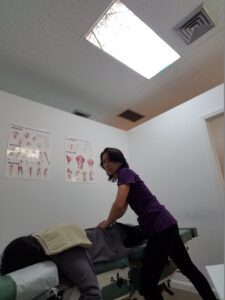
Dr. Meiri adjusts the spine


At Meiri Chiropractic, we spend the time necessary to examine, diagnose and treat every neuromusculoskeletal condition and various ailments you have. Chiropractic is a holistic and natural way to not only treat low back pain, but to keep your body in its best working condition. We have been offering effective chiropractic care in Palm Beach County since 2006. Many of our patients reviews note our excellence. We are your best bet and are here for you. Call us today at 561-253-8984 to make an appointment or to find out more about 3 Causes of Low Back Pain a Chiropractor Can Help With.


References:

Thomas Souza,  (2018) Differential Diagnosis and Management for the Chiropractor


This post is about 4 Causes of Elbow Pain a Chiropractor Can Help With. As the link between the shoulder and the wrist/hand, your elbows are challenged with repetitive activities. These overuse mechanisms account for the majority of elbow pain. In particular for instance in throwing sports and in activities requiring the use of an arm extension device such as a bat, racquet, or club. So the pivot is at the elbow and your forearm acts as the lever arm. These devices increase the medial (toward the center) stress across the elbow by increasing the length of the lever arm.


Additionally, you may also have a fall.  And as with the rest of the upper extremity (arm), the elbow becomes weight bearing during the fall.  An axial (racquet) force (load is applied to the structure along the length) is applied acutely during this fall to your elbow. Furthermore, this can happen chronically with gymnastic maneuvers and even with some chiropractors due to adjusting maneuvers!


1. Lateral Epicondylitis (Tennis Elbow)

Lateral epicondylitis causes lateral (outer or same side as thumb) elbow pain associated with a repetitive sport or occupational activity. Repetitive movements requiring forceful wrist extension (movement of raising the back of the hand), radial deviation (bending the wrist to the thumb), and supination (rotation of the forearm) are the most common causes. Although it is associated with tennis, other sports and occupational activities are also possible causes. Butchers, plumbers, and weavers are examples of those who may be affected. With tennis, novice players with poor backhand technique account for many cases. With professional players, the forehand or serving may be the cause. Obviously, the more frequently an individual plays, the higher the risk of developing tennis elbow. Although, lateral epicondylitis is called tennis elbow, it also occurs in computer keyboardists, carpenters, and golfers.

Cause:

The currently accepted theory is that initially there is tearing of the extensor carpi radialis brevis (ECRB) muscle origin (attachment). This process may extend to the extensor digitorum communis (EDC) or the extensor carpi radialis longus (ECRL) muscles. These muscles in conjunction with the other muscles and tendons in your forearm help move your wrist and hand. The histologic (seen by microscope) description of the change in tissue is called angiofibroblastic hyperplasia. Angiofibroblastic hyperplasia or angiofibroblastic tendinosis describes the pathologic (disease cause) alterations seen in the tissue of tendonitis (inflammation of tendon).

Radiographs (xrays) may demonstrate calcification in as many as 25% of patients with lateral epicondylitis.


2. Medial Epicondylitis (Golfer’s Elbow)

Medial Epicondylitis causes medial (inner) elbow pain following a repetitive activity such as golfing, hammering or use of a screwdriver. In athletes, the inciting activity usually involves wrist flexion (moving wrist down so palm faces arm) and pronation (rotatory movement of elbow where palm faces down). Examples of these include in serving and overhead and forehand strokes in various sports. Obviously, golfing (“golfer’s elbow”) or throwing may also cause symptoms. You may also feel pain or weakness on gripping.

Cause:

Medial epicondylitis is a tendinopathy of the origin of the wrist flexors and pronator teres muscles in your forearm. In chronic cases, an elbow flexion contracture may occur, leading to restrictions of movement (eg. extension). An ulnar neuropathy (compression of ulnar nerve at elbow) may coexist with medial epicondylitis. Radiographs (xrays) may reveal calcifications in close proximity to the medial epicondyle in 20% to 30% of patients with epicondylitis.


3. Triceps Tendinitis (Posterior Tennis Elbow)

The triceps is a large muscle on the back of your upper limb. Triceps tendinitis causes pain at the tip of the elbow after a repetitive extension activity or a single event involving forceful elbow extension.

Cause:

Strain of the triceps insertion on the olecranon (bony prominence of the elbow) is usually due to common athletic endeavors performed by boxers, weight lifters, pitchers, and occasionally tennis players.


4. Posterior Impingement Syndrome

Posterior Impingement Syndrome usually occurs in an athlete and especially on quick extension of the elbow.  You will have a sharp posterior (back of) elbow pain. Similarly, popping or clicking may occur with extension.  Your elbow may occasionally lock.

Cause:

Firstly, repetitive extension leads to compression between the olecranon trochlea and olecranon fossa (1 of 3 joints of elbow). Secondly, this may simply cause a reactive synovitis. So the synovium is connective tissue that lines the inside of the joint capsule. Thirdly, synovitis  (synovial inflammation) is when the synovium of a joint becomes inflamed (swollen). Lastly, it may progress to degeneration and the production of osteophytes (bone spurs) or loose bodies.

Dr. Meiri adjusts the elbow

Elbow Pain Treatment at Meiri Chiropractic in West Palm Beach


In the acute phase, ice and rest from the causative activity are essential. Myofascial release techniques are effective. Furthermore, Chiropractic adjustments, manipulation, and mobilization to the elbow and associated areas give relief.


A recently published study compared manipulation of the wrist with a second protocol of ultrasound, friction massage, and muscle stretching and strengthening for the management of lateral epicondylitis. Success was better for chiropractic manipulation of the wrist compared to the traditional physical therapy of ultrasound, massage, and muscle stretching/strengthening approach.


Getting regular chiropractic care from a West Palm Beach elbow pain chiropractor can help relieve pain naturally from an already existing injury, or even offer injury prevention. Chiropractic is a holistic and natural way to not only treat existing injuries, but to keep your body in its best working condition.


Contact Meiri Chiropractic today on the 4 causes of elbow pain a chiropractor can help with or/and other ailments.

 

References:

Thomas Bergman, David Peterson, Chiropractic Technique Principles and Procedures, 3rd edition, 2011


        Video on same post


Meiri Chiropractic

561-253-8984