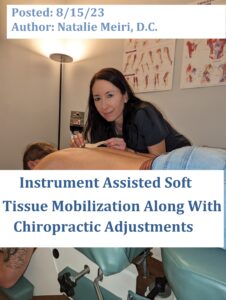
If you have neck pain due to your cervical facet joints, chiropractic care can help you! We’ve got some great information to share below.

What is a cervical facet joint?

The facet joints are on either side of the back of each vertebra in the cervical part of the spine (neck). The vertebral bodies make up the bony building blocks of the spinal column. There are two facet joints at each level of the vertebral column (spinal column). Facet joints provide stability to the spinal column while allowing movement. Encased with capsules the synovial fluid within protects and lubricates the facet joints.

Symptoms of a Facet Joint(s) /Referral Pain

You will often report a minor (e.g., sudden turning of the head) to moderate to severe (e.g. fall) traumatic onset of neck and arm pain. In addition, your neck pain may have an onset that is insidious (came on gradually) with no recent trauma. You may have pain down your outer arm to the hand. The arm and hand pain do not often fit a specific dermatome.  The dermatome refers to a focused area of skin that is mainly supplied by a single spinal nerve.  In contrast, facet joint referral will be diffuse pain.

Causes of Facet Joint /Referral Pain in the neck

So irritation of the facet joints is the cause. The facet joints become inflamed and may cause pain, soreness and stiffness. The most common location of referral pain is down the outer arm to the hand. This location often implicates segmentally related facet joints of C5-C7 vertebrae. Similarly, your deep cervical (neck) muscles may also be spasmed and be a contributing factor.


Firstly, when arm complaints accompany neck pain, it is essential to make the determination of whether nerve root irritation or a referred phenomenon from the facet joints and muscles is the source. For instance, upon examination, you may demonstrate no objectifiable neurologic deficit or findings in the arm(s). Nevertheless, numbness/tingling or weakness maybe part of your complaint.


Secondly, neck and arm complaints also require a consideration of the  brachial plexus (network of nerves in the shoulder) or peripheral nerve (nerves residing outside your brain and spinal cord) involvement.  Therefore, a thorough evaluation is important to come up with an accurate diagnosis.

Your West Palm Beach Chiropractor will perform a thorough examination of the neck and upper extremity (arms and hands). Additionally, radiographic (x-ray) evaluation may be performed at our office to detect any foraminal encroachment (nerve root impingement seen on x-ray) to rule this out.


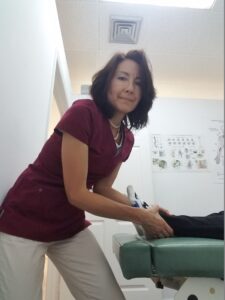
Dr. Natalie Meiri adjusts a patient

If you have Neck and Arm Pain Due to Facet Joint Referral and Chiropractic Care is your choice, we can help you!

Whether the complaint is local to the neck or referred to the arm, many studies (1) state that facet joint pain accounts for many of these patient’s conditions. With facet joint pain, many patients obtain relief from chiropractic treatment/ procedures.

Dr. Natalie Meiri will examine you and come up with a treatment plan to get you better! For neck pain due to facet Joint referral chiropractic adjustments of the neck is the treatment of choice.

Our other therapies, such as soft tissue techniques, therapeutic exercise, electric muscle stimulation, ice/ heat therapies and homeopathic consultations, will also provide relief. Through regular chiropractic visits, you can get pain relief and improve your health without drugs or surgery.

Call our office which serves North Palm Beach, Jupiter, Palm Beach Gardens and West Palm Beach at 561-253-8984 to make an appointment or to find out more on Neck and Arm Pain Due to Facet Joint Referral and Chiropractic Care.


References

1) Bogduk N. The anatomical basis for spinal pain syndromes.

Conference proceedings of the Chiropractic Centennial

Foundation. Presented at the Chiropractic Centennial;

July 6-8,1995; Washington, DC.


From Dr. Natalie Meiri’s Clinical Pearl Stories:

What To Do After A Car Accident

Author: Natalie Meiri, D.C.        Posted: 10/18/2021


This was a 47 year old mother and her 13 year old daughter with chief complaints of neck, back and extremity (arms and legs) injuries.  They presented to my office 1 day after sustaining injuries from a car accident. Their car was hit on the highway and ended up rolling down a hill.  To be HIPAA compliant, I will call the mother Sun and the daughter Yang instead of their real names.  Sun was a long time patient of my office and knew the benefits of chiropractic.  She knew What to do after a car accident!  Sun knew chiropractic physicians examined, diagnosed and treated neuromusculoskeletal conditions. Moreover chiropractic care after a car accident can get you out of pain naturally.  After all, pain medications can be harmful and addictive.

Examination and X-rays

Upon examination, I found positive tests for a sprain diagnosis for all Sun’s injuries (neck, back and right shoulder).  Similarly, upon examination, Yang also had a sprain diagnosis for all her injuries (neck, back and left foot). They had suffered a whiplash injury (injury due to forceful, rapid back-and-forth movement). Sun had bruising from the seat belt across her abdomen and had twisted her right shoulder. Yang had similar injuries from the seat belt, but had somehow twisted her left foot. 

The x-rays taken in my office showed mild osteoarthritis in Sun’s right shoulder, cervical (neck), thoracic (mid back) and lumbar (low back) spine. This is the “wear and tear” type of arthritis. However, Sun’s sprains from the car accident was her diagnoses for the auto injury.  The osteoarthritis was solely a finding on the imaging.  Furthermore, an important finding on Sun’s cervical (neck) x-rays were the instability in her neck shown on the lateral (side view) stress views.  One of her vertebrae in her neck had ligamentous instability (stretched or tiny torn soft tissues, but not ruptured) from this accident.

Both Yang and Sun had decreased cervical lordosis (decreased normal curve in the neck) consistent with cervical myospasm (muscle spasm) on their cervical x-ray. The foot x-ray of Yang’s left foot ruled out a fracture.  I would order an MRI (magnetic resonance imaging) if there was no improvement after 12 visits.

Chiropractic Treatment

Starting at 3 times a week, it took many months of care. Firstly, treatments included  chiropractic adjustments/ manipulation.  Secondly, soft tissue therapy (myofascial release, pressure point and various post isometric relaxation procedures).  Thirdly, modalities (cold/heat therapy and electric muscle stimulation) were administered as needed. Finally, therapeutic exercises to continue treatment at home were given.

Both Sun and Yang started to feel better from the first week of treatment.  After months of treatment, their conditions were stable and they were both back to their normal daily activities.

Dr. Natalie Meiri

What are some auto accident injury symptoms?

  • Neck pain from whiplash. The pain can range from mild to severe. It might be  in one spot, a general area, or radiate down the shoulder into the arm and/or hand. This can be caused by ligament sprains or muscle strains, but also by injuries to discs, nerves, joints, and/or bones.
  • Neck stiffness or reduced range of motion. Reduced neck mobility could be from pain, irritation of the cervical facet joints, or spasm of the cervical muscles.
  • Headache. This could be from neck muscle tightening/spasm.  Also, a nerve or joint irritation of the spine could cause headaches.
  • Neck instability. This whiplash symptom commonly results from stretched or torn soft tissues, such as ligaments. Although, it could also be caused by a fracture.
  • Back and extremity (arms and legs) pain. Your back can also suffer whiplash (acceleration/deceleration injuries) during an auto accident. Subsequently, your back can refer pain to other soft tissues in the upper back and shoulders or legs. Of course, you can also separately sprain or strain your extremity as well during the collision. 
Patients respond well to chiropractic care after whiplash.

For some people, whiplash symptoms can be minor. For others, the symptoms can become varied and chronic, ranging from severe pain to cognitive and emotional problems.  Some patients often complain of other symptoms and signs such as blackouts, visual disturbances, nausea and vomiting, and chest pain.  Also, a nondermatomal pattern (a large area of sensory finding) of pain and deficit is common.

Sometimes whiplash symptoms persist or get worse with time. Whiplash symptoms might manifest immediately following the acceleration-deceleration accident, or they can take a few hours or days to appear.

Even low-speed rear impact injury crashes (LOSRIC) account for as much as 80% of rear impact collisions. The range of speed in these types of crashes are between 6 and 12 mph.

Results from a study showed an association between a history of neck injury in a motor vehicle accident and chronic headaches, disabling neck pain, and a perception of  lower general health compared to those with no history of neck injury. This is why it is so important to get care right away as Sun and Yang did.

The good news is, recent encouraging research indicates that patients with symptoms of whiplash injury respond well to chiropractic care!

Meiri Chiropractic, the Best Chiropractic Care Center in West Palm Beach, offers chiropractic treatment for car accident injuries and other ailments. What to do after a car accident? Call 561-253-8984 to schedule an appointment!


Vlog of above blog


There are some injuries female athletes tend to have more than male athletes. This is true in many sports including running, soccer, rugby, basketball, bodybuilding, bowling, swimming, volley ball and golf injuries. There are many theories as to why this increase seems out of proportion to similar injury patterns in males. Some of the most obvious have to do with gender specific training. Other factors relate to the anatomic and physiologic differences between males and females. These observations started an interest in gender specific research. There are unique biomechanical, anatomic and hormonal factors that predispose skeletally mature female athletes to certain injuries. The Female Athlete and the Sports Injury Chiropractor is about what these female athlete injuries are and how a chiropractic clinic can help.

Anatomy & Physiology

Firstly, prior to puberty, the differences between males and females are insignificant. Secondly, girls reach puberty earlier than boys.  And then there is a small time frame in which girls mature quicker, have greater coordination, and, in many cases, are taller than the boys. So prepubescent males and females are equal in body fat composition. Thirdly, the male body fat decreases 11% on average through adolescence. Females increase body fat on average 25% during this same period. Finally, post puberty, there are some recognized differences between males and females.

The fact is, the average female is two thirds as strong as the average male.  Upper body strength is only 30% to 50% and lower extremity strength 70% that of the same size male. In some studies the body mass (BMI is the measure of body fat based on height and weight) and relative strength (the amount of strength to body size) were considered. In conclusion, in relative strength, the female still has less of the male’s upper body strength, but is almost equal in lower body strength.

Statistically, there are no objectifiable differences between joint laxity (looseness of a limb or muscle) of females compared with males. Clinically, it has been observed that the knees and shoulders of females seem to be “looser.” Regarding the menstrual cycle, there appears to be no significant correlation between menstrual phase cycle and exercise performance. However, injury rates appear to increase in athletes with premenstrual symptoms. Furthermore, there has been an association between estrogen and possible laxity of the anterior cruciate ligament.

Female athlete injuries

Shoulder laxity:

Women who participate in upper body sports such as tennis, swimming, and volleyball should be instructed to focus on both strengthening the rotator cuff and trunk muscles.  This decreases the stress to the shoulders and possible injuries. Since women are generally weaker in upper body strength, focus on a generalized upper body-strengthening program will also be beneficial.

Knee laxity:

It has been observed that patella (knee cap) instability is more common in females. This may be due, in part, to more of a tendency toward underdevelopment of the back surface of the patella and lateral condyle of the femur (thigh bone).  Women tend to have decreased vastus medialis strength, tighter illiotibial band (ITB), or a high riding patella. This tendency, combined with a position of recurvatum (hyperextension) seen more commonly in females, may predispose toward either tracking problems or patella dislocation. Similarly, for female athletes, vastus medialis strengthening, ITB stretching, proper training shoes (e.g. for pronation), and proprioceptive( sense of self-movement) training is important.

Anterior cruciate ligament (ACL):

ACL (tissue that connects the thighbone to the shinbone, at the knee) laxity or looseness is a concern for females. Although there are many theories, the main effective strategy for decreasing injury is training. It is clear that the vast majority (80% in one study) of ACL injuries are noncontact.  And often occurring when landing from a jump. This is even more true in sports such as basketball and volleyball. One study divided these noncontact injuries into three types depending on the movement/maneuver causing it:


  1. Planting and cutting– player acts as if she is going to the right but quickly and aggressively plants the right foot. Then immediately reverses her motion and accelerates to the opposite left side.
  2. Straight leg landing– Landing with straight knees can lead to a higher rate of ACL tears.
  3. One-step landing with the knee hyperextended– when the knee is bent backward, often as a result of landing wrong after a jump.

In one study, ACL injuries were reduced among a group of women by almost 90%.  They simply modified the plant-and-cut maneuver to a three-step stop. Female athletes should jump and land in a more flexed position, avoiding extension of the knee.

Noncontact ACL injuries may be related to both genu recurvatum and hyperpronation. Genu recurvatum is hyperextension of the knee which has several causes. Muscle weakness, especially of the muscles in the top of the thigh (quadriceps), an injury, or the shape of your bones at the knee are some. Hyperpronation occurs when the ankle bone turns inward and the rest of the foot turns outward. This puts too much body weight on the inside of the foot.


adjustment of patient's shoulder

The Female Athlete and the Sports Injury Chiropractor

Whether it’s your hip, knee, shoulder, ankle or foot, a chiropractic adjustment can help.  Just as your spine/ pelvis can get out of alignment, so can your extremities.  In other words, additional joints may need chiropractic adjustments (hip joints, knee joints, ankles joints) along with the spine.  After all, Chiropractic adjustments restore joint mobility and function, resolves joint inflammation and reduces the patient’s pain.

A sports chiropractor in North Palm Beach can adjust the spine/pelvis and extremities. And the best sports chiropractor is one who has the expertise and training to work on your muscles/ soft tissue surrounding your joints using soft tissue techniques (e.g. myofascial release, Instrument assisted soft tissue mobilization-IASTM).

There are sports chiropractors who use their skills in soft tissue manipulation techniques to help optimize athletic performance and prevent injury.

Spinal and extremity adjustments along with recommendations from your chiropractor regarding stretching and strengthening exercises, nutrition, and lifestyle changes can successfully prevent a number of common, chronic and acute sports related injuries. Furthermore, besides from the female athlete performing better and reducing their injuries, regular chiropractic care will help with digestion, improve sleep, and increase energy. Regular chiropractic adjustments help avoid many of the disorders that take shape as illness.

If you are looking for a West Palm Beach sports chiropractor for women, Dr. Natalie Meiri can definitely help you. Call 561-253-8984 today.

From Dr. Natalie Meiri’s Clinical Pearl Stories:

Chiropractic Care for Neck Pain and Menopause Symptoms

Author: Natalie Meiri, D.C.        Posted: 9/25/21

This was a 52 year old female patient with a chief complaint of neck pain. To be HIPAA compliant, I will call her Tina instead of her real name. Tina had just reached menopause.  This is when her neck pain came on.  She also had headaches, hot flashes, night sweats, insomnia and increased anxiety or irritability.


Examination and x-rays

Positive tests were found for her spine during the exam. The x-rays taken in my office showed moderate osteoarthritis in her cervical (neck) spine.  This is the “wear and tear” type of arthritis when the bones rub against one another causing pain, stiffness, inflammation, disc degeneration and bone spurs (also known as osteophytes) which can “pinch” surrounding nerves.

She also had positive tests for a cervicogenic headache. A cervicogenic headache is a headache that occurs because of a physical condition and structures in the neck. By addressing the cervicogenic component of the cervicogenic/tension type to migraine “continuum of headaches” her headaches would be reduced in intensity.


Treatment: Chiropractic Care for Neck Pain and Menopause Symptoms

Firstly, Tina’s treatments included chiropractic adjustment/ manipulation to her cervical (neck) spine and associated regions.  Associated regions were thoracic (mid back), and lumbar (low back) spine. Secondly, soft tissue therapy (myofascial release, pressure point and various post isometric relaxation procedures) was rendered as necessary. Thirdly, modalities (cold/heat therapy and electric muscle stimulation) were administered. Finally, exercises for stretching, strengthening, and better posture were recommended.

Of course, because she had reached menopause, the headaches were also due to hormonal changes. She added soy products, fruits (i.e. berries), seeds (i.e. flaxseeds), and nuts to her diet. These foods have phytoestrogens or plant-based estrogens called isoflavones. These are plant chemicals capable of exerting estrogen like effects. Eating these foods in moderation along with some medicinal herbs helped to alleviate menopause symptoms for Tina. 

Additionally, I did several homeopathic consultations with Tina and prescribed a number of homeopathic medicines. Obviously, Tina was against drugs when possible and wanted to deal with this naturally.

Tina started feeling better gradually for her chief complaint of neck pain. Moreover, her  headaches disappeared.  Tina’s hot flashes and night sweats decreased.  To prevent osteoporosis due the estrogen loss in menopause, she took calcium supplements.  Tina also started a exercise regimen which included weight bearing aerobic activity.  Similarly, Tina started sleeping better due to everything she was doing.  Lastly, her irritability and anxiety went away so she was happier than she had been in a long time.


How do menopause symptoms occur?

After 12 months without menstruating, a woman is in menopause. The average age of menopause onset in the Unites States is 51.

Decreased circulating levels of estrogen with menopause appear to affect the central nervous system via the hypothalamus. The hypothalamus is a small but important area in the center of the brain between the pituitary gland and thalamus. It plays an important role in hormone production and helps to stimulate many important processes in the body. The hypothalamus controls body temperature, thirst, hunger, and other homeostatic systems.  It is also involved in sleep and emotional activity.

So 95% of perimenopausal and menopausal women experience “hot flashes”. These flushing and sweating episodes are sudden in onset and last several minutes.  A sensation of face and neck hotness extends to the front of the chest. The skin temperature may increase as much as 2-5° degrees more and may result in wetting of clothing through excess perspiration. Physiologic responses that also occur include an increase in heart rate perceived sometimes as palpitations.

Furthermore, there may be symptoms of headache, dizziness, and nausea during the episodes.  Many women have night sweats and also have difficulty falling asleep. And often awaken early without being able to fall back to sleep. Approximately 80% of women experience these episodes for more than 1 year with as many as 20% of women having symptoms for more than 5 years.


Menopause and Joint Pain

A common symptom often associated with hormonal changes is pain. More than half of women experience Arthralgia (pain in a joint) around the time of menopause. The causes of joint pain in postmenopausal women can be difficult to determine as the period of menopause coincides with a rising incidence of chronic rheumatic conditions such as osteoarthritis. Nevertheless, the prevalence of arthralgia does appear to increase in women going through menopausal transition.  Studies have shown this to result from reduction in estrogen levels. This may have to do with various interactions between sex hormones and pain processing pathways, immune cells and chondrocytes (cartilage cells).

Dr. Natalie Meiri

Given a growing concern regarding estrogen replacement therapy, a search for alternatives in the management of menopause is prevalent. Many studies have found that the use of alternative therapies for menopause symptoms is common, and women who use them generally find them to be beneficial. Chiropractic intervention in the treatment of postmenopausal climacteric symptoms especially in the area of joint pain and headaches is effective.

Meiri Chiropractic in West Palm Beach offers the best  Chiropractic Relief of Neck, Back and Menopause Symptoms.   Call us at 561-253-8984 in West Palm Beach to schedule an appointment at our chiropractic clinic and start getting the relief you need.

From Dr. Natalie Meiri’s Clinical Pearl Stories:

Neck Pain and Chiropractic Cervical Adjustments

Author: Natalie Meiri, D.C.     Posted: 9/19/21


This was a 25 year old male patient with a chief complaint of neck pain. To be HIPAA compliant, I will call him Lenny instead of his real name. Lenny had 3 car accidents by the time he was 23 years old which caused his chronic neck pain. Moreover, he experienced neck and mid back pain when he moved his shoulders and arms. 

Lenny was  a very active person and even had a business where he did manual labor. He also enjoyed various sports.  He wanted to live his life pain free without having to give up his activities. 

After the automobile accidents, Lenny got some treatment at another chiropractor before coming to see me. He stated “the benefits of chiropractic were great”, but that he didn’t feel he “was ever holding his adjustments”. Lenny felt the former chiropractor was “too aggressive and every visit was the same”.  He needed “something different, more gentle, and a chiropractor who does soft tissue techniques”. Lenny came to see me because at Meiri Chiropractic, we deliver by hand, low amplitude (displacement of the joint), low intensity (low force) adjustments along with various soft tissue manipulation techniques.

Lenny’s Examination, X-rays and Treatment


The x-rays taken in my office showed findings consistent with a sprain with myospasm (muscle contraction) in his cervical (neck) and thoracic (mid back) spine. Upon examination, I found positive tests for a cervical (neck) sprain with thoracic (midback) myalgia (muscle pain) diagnoses. 

Firstly, he received chiropractic adjustments/ manipulation to his cervical (neck) and thoracic (mid back) spine and the associated regions.  Associated regions (due to misalignments) adjusted were his shoulders and lumbar spine (low back). Secondly, various soft tissue manipulation (myofascial release, pressure point and various post isometric relaxation procedures) was rendered as necessary.  Thirdly, home exercises for stretching, strengthening, stabilization and posture correction were given.

Lenny’s Chiropractic Care Outcome

As Lenny started feeling better, recommendations were made on diet and lifestyle (i.e. ergonomic).  He started eating better which contributed to faster healing.  Lenny avoided sugar and processed or fast food. And included as much fresh food as possible.  He also joined a gym to work on strenthening with weight machines and did more cardio exercise.

Finally, I did several homeopathic consultations with Lenny and prescribed a number of homeopathic medicines.

Lenny responded well to his West Palm Beach chiropractic care!  Was he able to live completely pain-free?  No, because it’s impossible for anyone to be completely free of pain in life.  However, Lenny thought daily about improving his function and not the pain anymore. His chronic pain was gone! Similarly, Lenny looked forward to his Worth palm beach chiropractic gentle adjustments. He was able to continue his daily activities with more energy and improved performance.

Dr. Natalie Meiri

Research

A review of scientific literature found evidence that patients with chronic neck pain enrolled in clinical trials reported significant improvement following chiropractic spinal manipulation. As part of the literature review, published in the March/April 2007 issue of the Journal of Manipulative and Physiological Therapeutics, the researchers reviewed nine previously published trials and found “high-quality evidence” that patients with chronic neck pain showed significant pain-level improvements following spinal manipulation.

Meiri Chiropractic serving West Palm Beach, Jupiter, Palm Beach Gardens, North Palm Beach and surrounding areas offers the best chiropractic adjustments for your neck, back and extremities (arms and legs). Call us in West Palm Beach at 561-253-8984 to schedule an appointment or to find out more about Neck Pain and Chiropractic Cervical Adjustments.


Chiropractic adjustments as treatment for neck and back pain from arthritis is drug-free. It is certainly an effective way to treat your stiff and painful joints.  Moreover, most of what chiropractors do currently is gentler than “cracking backs or necks” into place. In fact, there are more than 100 techniques that chiropractors use to manually adjust the spine, joints and manipulate the muscles with varying degrees of force. Chiropractic adjustments restore joint mobility and function, resolves joint inflammation and reduces the pain.

Benefits of Chiropractic Adjustment

If you’ve had back pain or a stiff neck, whether from arthritis or an injury, you’ve likely considered seeing a chiropractor. Certainly chiropractors adjust the spine to improve pain and mobility, but the benefits may extend beyond the back and neck. Chiropractors try to improve the relationship between the spine and nervous system, which affects the function of all the organs and systems in your body.  For instance, it helps to minimize inflammation throughout the body and help to strengthen the immune system.

Chiropractic adjustments also help arthritic extremity (arms and legs) joints as well. If someone is having a problem in a knee joint that is causing them to walk awkwardly, it may lead to a secondary pain syndrome in the lower back. The real problem started in the knee which needs to be addressed by way of an adjustment.

Chiropractic Adjustments Offer an Alternative to Pain Medication

Adjustments can help keep painful joints more comfortable while also improving function and range of motion. Chiropractors use gentle manipulation to adjust your joints and manipulate muscles to return to their proper structure. With proper alignment, your body’s equilibrium is restored, which in turn helps increase the healing of your damaged joint tissues. In summary, the chiropractic adjustment works by restoring function which decreases the inflammation and the pain goes away. 

There are a lot of benefits to chiropractic adjustments. In order to see great results, though, you need to make sure you’re visiting the chiropractor on a regular basis.  Most definitely, improved posture is another benefit. Chiropractic adjustments, combined with at-home stretching and strengthening exercises, can be very helpful to those who suffer from degenerative scoliosis or other postural issues.  Degenerative scoliosis is a result of osteoarthritis (wear and tear arthritis) on the discs and joints of the spine.

Chiropractors are Portal of Entry Providers

Chiropractors are portal of entry providers in Florida and so are primary-care professionals which means you go directly to them.  During your first visit, the chiropractor should take a detailed medical history and perform a physical exam of every joint to determine what approaches are right for you. The doctor may also take an X-ray. Chiropractors also understand the importance of exercise and a healthy diet for your health. They will provide instructions on lifestyle changes and exercises that will help you maintain range of motion and reduce symptoms related to arthritis.

Research on How Chiropractic Adjustments Can Help With Arthritis

In the past, chiropractic got mixed reviews from physicians. Increasingly, studies in mainstream medical journals are demonstrating the benefits of chiropractic for back and joint pain. A 2017 review in the Journal of the American Medical Association, found that spinal manipulation reduces lower back pain. And a 2013 study published in Osteoarthritis and Cartilage found that patient education combined with 12 chiropractic treatments (twice a week for six weeks) were more effective for hip Osteoarthritis than a daily stretching program or patient education alone.


Dr. Natalie Meiri adjusts the knee

Dr. Natalie Meiri has treated patients for over 17 years with wear and tear osteoarthritis and inflammatory disease, including rheumatoid arthritis, psoriatic arthritis or ankylosing spondylitis.  Dr. Natalie Meiri also adjusts arthritic joints of the extremities (arms and legs).  Too many people suffer with conditions that can be treated using natural and noninvasive treatments.  Get fast pain relief and function better from the best chiropractic clinic in West Palm Beach.  Contact Dr. Natalie Meiri today at 561-253-8984 to make an appointment or to find out more about How Chiropractic Adjustments Can Help With Arthritis.


Dr. Natalie Meiri

Meiri Chiropractic

5601 Corporate Way, #102

West Palm Beach, FL 33407

561-253-8984


Chiropractic care has been proven to help people in all stages of life. Family chiropractic clinics like Meiri Chiropractic in West Palm Beach, Florida offer many benefits to patients of all ages, genders and backgrounds.

Some patients see a chiropractor for the health benefits or the treatment of injuries. Other people at a different stage in their life may get more positive results from being under the care of a family chiropractor.

A family chiropractor has many benefits for all ages! 


Family Chiropractor for Prenatal/ Pregnancy


Musculoskeletal concerns during pregnancy are due to mechanical changes from the growth and position of the baby and hormonal changes that result in less ligament stability. Firstly, hip and low back pain are common in pregnant women. Secondly, the pregnancy can cause myofascial problems in the neck, mid back and chest areas due to the shifting of her spine and the extra weight of the baby. Thirdly, knee and foot pain are common due to the change in weight bearing as well.

There is research to support the role of chiropractic treatment of the pregnant low back patient. Adjustments during pregnancy are safe and an excellent alternative to drugs for pain management. “Softer” approaches can also be utilized such as various soft tissue techniques and mobilization. A family chiropractor in West Palm Beach will gently adjust the pregnant woman’s spine, hips, knees and feet.

Of all the changes she will experience in this stage of life, consistent care from a family chiropractor in West Palm Beach is always a good choice. Stiffness and pain can be decreased through regular care. Than the pregnant woman can sleep better at night and feel more energized during the day. Her range of motion will increase to help with delivery of the baby as well. As eating right and exercising during pregnancy is important, so is chiropractic care. When you are pregnant, you need all the help you can get. After all, when the baby is born, mom will need to be in top physical shape to continue the next part of her joyful journey.


Family Chiropractor for Infants and kids


A Canadian study of pediatric visits to alternative care practitioners indicated that the majority of patients presented with non-musculoskeletal complaints such as respiratory and ears, nose and throat (ENT) related symptoms. Furthermore, studies from Denmark seem to indicate that chiropractic manipulation is effective at improving or resolving infantile colic. Infantile colic describes excessive crying of unknown cause in otherwise well infants. It appears Colic affects up to 20% of infants.

As your child grows, sports- related injuries are relatively common. Prevention is a major goal in working with children and adolescents. Similarly, when injured, the proper diagnosis, treatment, and rehab is the goal. Lastly, many children experience “growing pains” and posture related discomfort. And they find relief by seeing a family chiropractor in West Palm Beach.

With adolescents, back pain accounted for about 33% of visits to a family chiropractor in countries outside the United States. Neck and headache pain accounted for approximately 40% of visits.


Family Chiropractor for Younger Adults

Whether you sit at a desk all day at work, perform manual labor, chase after small children, or are an athlete, the repetitive tasks in our days can eventually lead to spinal misalignments and joint dysfunction throughout your body. Untreated, these can cause a ripple of destruction to your health. Pain, headaches, dizziness, low energy, difficulty sleeping, and weakened immune health are all possible symptoms.

Regardless of your activity level, you should check in with a family chiropractor regularly to address issues while they are small. Consistent care is better than allowing your pain to finally bring you into the family chiropractor clinic. Adults seek chiropractic clinics due to neck and back pain, arm and leg pain, disc problems, hormonal (menopause, premenstrual pains) issues, osteoarthritis, pinched nerve, headaches, sciatica, fibromyalgia, and immune disorders. Why not seek care while the problem is minor and small? Once you are in pain your body has already been struggling for awhile. Therefore, it takes longer and more adjustments to get it healthy again.


Family Chiropractor for Older Adults (Elders/Seniors)

Studies suggest that the older adult population (over 65) represents 12-17% of most chiropractic practices in the U.S.A. These patients also account for 1/3 of patients who purchase prescription medications. The majority of older adults have signs and symptoms that reflect the accumulation of life-long environmental impact combined with decreased function of most organ systems. Among these systems include the neuromusculoskeletal system in which Chiropractors are specialists in.

The ultimate goal with older adults are to prevent or delay functional decline and restore and/or maintain function to allow as much independent living as possible. It is clear the ability for the older adult to remain independent has a significant effect on his or her perceived quality of life. In conclusion, it is true and logical that normal aging does result in some decreases in function. However, all decreases in function are not age related and so require intervention. In fact, many neuromusculoskeletal conditions are treatable and preventable through chiropractic care.

At Meiri Chiropractic, we spend the time necessary to examine, diagnose and treat every neuromusculoskeletal condition and various ailments you or your loved ones have. We have been offering effective chiropractic care in Palm Beach County since 2006. Many of our patients reviews note our excellence. We are your best bet and are here for you. Call us today at 561-253-8984 to make an appointment or to find out more about the Family Chiropractor Has Many Benefits for All Ages.


References:

Thomas Souza,  (2001) Differential Diagnosis and Management for the Chiropractor

 

        Video on same post


Meiri Chiropractic

561-253-8984


N

10 frequently asked questions about chiropractic can help educate you on the truth about chiropractic.  Chiropractic can treat acute or chronic back/extremity pain, chronic fatigue, stress, digestive issues, and a variety of other health problems. You need to make an informed decision about the care you need. Read below about the benefits and realities about chiropractic.

1. What is Chiropractic?

Chiropractic is a health care profession that focuses on disorders of the musculoskeletal system and the nervous system, and the effects of these disorders on general health. These disorders include, but are not limited to: back pain, neck pain, pain in the joints of the arms or legs, and headaches.

Firstly, Chiropractic is a health care discipline that stresses the importance of the structural integrity of the body. Secondly, Chiropractic recognizes the relationship of the human body as a whole. Thirdly, Chiropractic pays particular attention to the neurological and musculoskeletal systems. Finally, the Chiropractor understands that when the structural integrity of the body is compromised the body’s ability to function optimally is diminished.
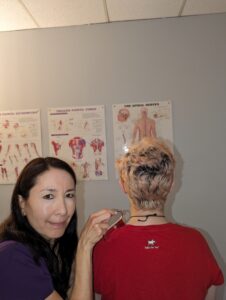
Doctors of chiropractic (DCs) practice a conservative approach to health care that includes patient examination, diagnosis and treatment. DCs have broad diagnostic skills and are also trained to recommend therapeutic and rehabilitative exercises, as well as to provide nutritional, lifestyle and dietary counseling. Chiropractic is a method of treatment that is conservative and does not prescribe medications or perform surgery. In Florida, a chiropractic physician is considered a primary health care provider, and as such a direct portal of entry to our health care system.

2. How long will I treat?

Even one visit to a chiropractor can offer tremendous benefits. You do not have to keep visiting a chiropractor for life to maintain the benefits. However, many people do find that long-term treatment helps them to feel and function at their best. Moreover, if they are fighting chronic pain or another chronic health condition, corrective care maybe necessary. Each patient is different. Some patients may require multiple treatments to resolve or stabilize their condition. Others may not. In conclusion, the doctor will recommend a treatment plan. The plan will outline the type and frequency of treatment recommended. 


3. What is the “popping or cracking” sound sometimes produced with an adjustment?

That sound commonly referred to as an “audible or cavitation” is NOT your bones rubbing against other bones like many people believe. That sound is created by gas pressure released when the joints are separated. Not all chiropractic adjustments produce a sound. In fact, some adjustments produce no sound at all. Advances in chiropractic care have developed a noise-free gentler treatment option offered at Meiri Chiropractic (low intensity, low amplitude adjustment).


Dr Meiri adjusts a patient


 4. Do adjustments hurt?

Although adjustments are sometimes uncomfortable, they are not typically painful. You may feel a little bit sore after, as though you had a tough workout. Most patients look forward to their adjustments. The truth is, after an adjustment, immediate pain relief is quite common.   First-time patients are typically shocked by the healing and wellness that follows a chiropractic adjustment.


5. Is Chiropractic care expensive?

Many insurance policies cover chiropractic care. Of course, just like any medical treatment, the actual expense varies from person to person. The good news is, chiropractic care can be very affordable with insurance. The best thing you can do is check with your potential chiropractors to learn your options regarding your insurance policy.

The other factor to consider is the long-term savings you could enjoy because of chiropractic care. Many studies have concluded that patients using chiropractic and other holistic treatments experienced:

  • fewer hospital admissions
  • fewer days in a hospital stay
  • decrease in outpatient procedures, including surgeries
  • reduction in pharmacy and drug costs

Although you may not see the healthcare savings immediately in your budget. Certainly, you are likely to see them later on as you enjoy a healthier, better quality of life with fewer medical costs.


6. Will I need x-rays and what kinds of treatments will I receive?

The answer regarding x-rays is, you may. Not all patients require x-rays.  If it is necessary in your particular case, we have the ability to take x-rays at Meiri Chiropractic.

Dr. Natalie Meiri believes in tailoring treatment plans to fit the specific needs of each of her patients. She employs a mixture of manual adjusting, soft tissue techniques (myofascial release, pressure point, post isometric relaxation), physiotherapies, and rehabilitative stretches and exercises. In addition, Homeopathic consultations are also offered for overall wellness. Her goal is  to get fast and effective results.  Above all, Dr. Natalie Meiri aims to help her patients achieve their full health potential.


7. Are Chiropractic Adjustments Safe?

Chiropractic adjustments are safe. You should definitely seek a highly trained and experienced chiropractor. The low-intensity adjustments delivered at Meiri Chiropractic are perfect for nervous patients who can tense up during their adjustments. Dr. Natalie Meiri’s adjustments are gentle, precise, and quick.


Dr. Natalie Meiri


8. Are Chiropractors “real doctors”?

Doctors of Chiropractic are educated in nationally accredited, four-year doctoral graduate school programs through a curriculum that includes a minimum of 4,200 hours of classroom, laboratory and clinical internship, with the average DC program equivalent in classroom hours to allopathic (Doctor of Medicine, MD) and osteopathic (Doctor of Osteopathy, DO) medical schools.

Chiropractors are required to pass a series of four national board exams and be state licensed to practice. There are more than 70,000 chiropractors in the United States, with some in management or teaching positions.


9. How do I know if I will benefit from chiropractic?

Many people including babies to elderly benefit from chiropractic. The results vary from person to person, depending on individual health and physiology. The results depend on a variety of factors such as what other medical care you receive, lifestyle changes you make, and so on.

The first step is to come into our office and meet with Dr. Natalie Meiri. She will perform a consultation, physical examination and possibly recommend x-rays or lab work. It is at that time that she may advise you as to whether or not you are a candidate for Chiropractic care.


10. How do I get started with chiropractic care?

Contact our West Palm Beach office for further information on the 10 Frequently Asked Questions About Chiropractic. We will be glad to schedule an appointment for you as well. You may phone us at 561-253-8984.


      Meiri Chiropractic


A common source of pain and disability is soft tissue injury with its resultant fibrosis and loss of elasticity and strength. Soft tissue injury and fibrosis may result from acute or repetitive trauma to muscular, tendinous, myofascial, or ligamentous tissue.  Therefore,  adjustments of the joint without attention to the supporting and controlling effects of the soft tissues (i.e. muscles, tendons, ligaments, fascia) will likely result in recurrence of joint dysfunction (misalignment of joint).  The reason being, abnormal soft tissue patterns and presentations may persist after joint function has been restored.  Accordingly, any soft tissue problems need to be treated along with the joint dysfunction. 

Most chiropractic adjustive techniques (adjustments) impart a thrust to move a joint into proper alignment of the body to normalize function.  In contrast, many manual therapy procedures (joint mobilization, traction, and soft tissue techniques) are designed to affect physiologic processes to normalize function without using a thrust. This post will focus on soft tissue manipulation (STM) techniques. STM techniques are defined as those physical methods applied to muscles, ligaments, tendons, fascia, and other connective tissues with the goal of therapeutically affecting the body.

Indeed, various and numerous forms of STM exist within the profession of chiropractic. Firstly, all STM techniques are not equivalent. Secondly, while all are often recommended for the relief of pain, all STM techniques are not interchangeable.  Thirdly, although all STM techniques have some effect on the soft tissues, one may be more appropriate or effective for a particular condition.


Various Soft Tissue Manipulation Versus Massage Along With Chiropractic Care: the Restrictive Barrier Concept

Probably the most well known soft tissue technique is massage (methodical, friction and kneading of the body upon bare skin). Subsequently, some chiropractors do not use manual therapy (non thrust techniques) and refer their patients for massage (i.e. deep tissue) because of the exclusiveness of  adjustments (thrust techniques). And in the chiropractic practice, one of the functions of massage is to relax your muscles.  This prepares the irritated region for adjustments. 

So massage is great for pain reduction, relaxation, improved circulation and even softens superficial fascia. However, massage is not soft tissue manipulation therapy which crosses the restrictive barrier. Many conditions require the restrictive barrier to be found and accurately engaged to provide  functional improvement.  The barrier concept provides an important distinction between massage procedures and other STM techniques.

You cannot get whichever therapy (massage) you prefer and expect the same  outcome.  Some soft tissue injuries/conditions may require a soft tissue manipulation technique beyond massage for restoration of full functional and/or structural improvement.  Furthermore, when considering the use of treatment of certain soft tissue conditions a working knowledge of the fundamental principles behind them is necessary and helpful. 


Education

Chiropractors have far more education than a massage therapist. A chiropractor has to complete a four-year undergraduate degree and then must finish a four-year doctorate of chiropractic program. All chiropractic programs teach a comprehensive program incorporating elements of basic science (e.g., physiology, anatomy, and biochemistry), clinical science (e.g., laboratory diagnosis, radiographic diagnosis, orthopedics, neurology, and nutrition), and clinical intern experience.

During their education, chiropractors also have to complete a residency program that includes hands-on training, pass several board exams, and pass certification tests. In conclusion, government inquiries and comparative evaluations have determined that the coursework and hours of instruction in the basic sciences are very similar between chiropractic and medical schools. Chiropractic students on average spend more hours in anatomy and physiology and fewer hours in public health. In the clinical arena chiropractic students have very limited training in pharmacology and critical care, but have significantly more training in clinical biomechanics, neuromusculoskeletal diagnosis, manual therapy, and exercise rehabilitation.


Part II of this post will discuss some various soft tissue manipulation techniques utilized at Meiri Chiropractic such as:


 FUNCTIONAL TECHNIQUES

Strain-counterstrain

Positional release technique

MRT, Myofascial release technique


MANUAL RESISTANCE TECHNIQUES

MET, Muscle energy technique

PIR, post isometric relaxation

PNF, proprioceptive neuromusculoskeletal facilitation

Ischemic compression

Trigger point therapy

Receptor-tonus technique


BODY WALL REFLEX TECHNIQUES

Acupressure point stimulation

Chapman lymphatic reflexes

Bennett vascular reflexes


If you just need to relax and treat yourself, you should head to a massage therapist. However, if you have more serious complaints, such as back/neck pain, frequent headaches, TMJ pain or even arm and leg pain, you may get more benefits from chiropractic soft tissue manipulation techniques. Call Meiri Chiropractic today at 561-253-8984 to make an appointment or to learn more about various soft tissue manipulation versus massage along with chiropractic care: Part 1 in West Palm Beach.


References:

Bergman, Thomas. Peterson, Lawrence. Chiropractic Technique Principles and Procedures

2011. Third Edition

Hammer, Warren.  Functional Soft Tissue Examination and Treatment by Manual Methods.

Third Edition


        Video on same post


Meiri Chiropractic

561-253-8984


From Dr. Natalie Meiri’s Clinical Pearl Stories:

 A Chiropractor Can Help Failed Back Surgery Syndrome 

This was a 87 year old patient who presented to my office with low back pain and pain in both legs. To be HIPAA compliant, I will call him Henry instead of his real name.   Henry had  a laminectomy nearly 10 years ago on his low back. A laminectomy is a surgical procedure that removes a portion of the vertebral bone called the lamina, which is the roof of the spinal canal. Also known as decompression surgery, a laminectomy enlarges your spinal canal to relieve pressure on the spinal cord or nerves. It is a major spine operation with residual scar tissue and may result in Failed Back Surgery Syndrome (FBSS) which was the case with Henry. FBSS patients  have new or persistent pain after spinal surgery for back or leg pain.

Henry had the laminectomy on his L4-L5 vertebra due to a dropped foot.  Although, his dropped foot improved after the surgery, he had pain in his low back and legs which he didn’t have prior to the surgery.  Foot Drop is a term used to describe difficulty lifting the front part of the foot. Common causes are L4-L5 radiculopathy (nerve compression), caused by either a herniated disc, degenerative disc and/or foraminal spinal stenosis, and peroneal peripheral neuropathy in the leg.


Henry’s Medical History


Henry was active in his younger years playing tennis and golf almost every day.  In addition to the laminectomy, Henry had a left total knee replacement a few years ago. He started going to the gym since his knee replacement, but his back and leg pain kept getting worse.  Henry was on numerous drugs for the pain and for his high blood pressure. 


His internist had ordered a doppler ultrasound to rule out a circulation problem in his legs. Henry had tried acupuncture without any success.  Furthermore, the physical therapy treatments at home seemed to help some, but not enough.  Therefore, Henry came to see me. Henry wanted to feel better and go back to the gym.


Henry’s Exam and Imaging

Upon examination, Henry had positive tests for both hips, right knee, both ankles, mid and low back.  X-rays taken in my office showed osteoarthritis (wear and tear arthritis) in his thoracic spine (mid back), lumbar spine (low back), hips, right knee and both ankles.  I would send Henry for further imaging (i.e. magnetic resonance imaging, MRI) or a electromyography (EMG) and nerve conduction study (NCS) if there wasn’t any improvement within 12 visits.


Dr. Meiri adjusts a patient's knee


Henry’s Chiropractic Treatment for Failed Back Surgery Syndrome: Low Force Techniques Were Considered to be Safer

Firstly, Henry’s chiropractic treatment for failed back surgery syndrome consisted of chiropractic manipulation/ adjustments of the lumbopelvic spine and associated regions utilizing low force techniques.  Moreover, the adjustments were delivered around the level of the laminectomy, but not at L4/L5 where the laminectomy was performed. Associated regions that were adjusted were his thoracic spine, both hips, right knee and both ankles which were misaligned (subluxations or intersegmental dysfunctions) due to the conditions he had. Secondly, soft tissue therapy (myofascial release, pressure point and various post isometric relaxation techniques) and modalities (cold/heat therapy and electric muscle stimulation) were administered. Thirdly, he was given therapeutic exercises to continue his treatment at home. 


Henry started feeling better in the first few visits. He wondered why he had waited so long to try chiropractic for this problem?  Many people think they have to live with the pain or dysfunction. Chiropractic adjustments normalize function, restore joint mobility, resolves joint inflammation and reduces the patient’s pain.  Even for post-surgical cases, patients can get fast pain relief and over time improve function.

Do you know someone like Henry who is in need of chiropractic treatment? A Chiropractor Can Help Failed Back Surgery Syndrome.  Contact Dr. Natalie Meiri of Meiri Chiropractic today serving North Palm Beach, Jupiter, West Palm Beach, Palm Beach Gardens and surrounding areas. Get the relief you need and deserve! We also offer chiropractic care for many other ailments. Call 561-253-8984 to learn more or to schedule an appointment.


Meiri Chiropractic

5601 Corporate Way Ste 102

WEst Palm Beach, FL 33407

561-253-8984