.Chiropractor West Palm Beach: Acupuncture for Diabetic Neuropathy

Incredibly, 90 to 95% of diabetics in the United States have type 2 diabetes.   In fact, Type 2 diabetes may affect as many as 20% of the senior U.S. population (ages 65 to 74 years). Approximately 5.4 million adults in the United States have undiagnosed type 2 diabetes.  Appropriate lifestyle changes can reverse or prevent type 2 diabetes.

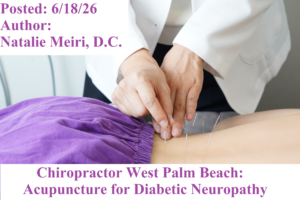
Chiropractor in West Palm Beach: Acupuncture for Diabetic Neuropathy is about how acupuncture can help your pain and dysfunction.


What is Diabetes Mellitus?

Diabetes mellitus is a disorder that results in chronic hyperglycemia (high blood sugar) due to absence of insulin, decreases in insulin, and/or decreased sensitivity of insulin receptors (areas on the outer part of a cell that allow the cell to join or bind with insulin that is in the blood). Generally, Diabetes mellitus is evident in two forms: (1) type 1, insulin-dependent diabetes mellitus, and (2) type 2, non-insulin-dependent diabetes mellitus. Usually, type 1 diabetes becomes apparent in childhood or adolescence.  And type 2 diabetes shows up later in life (over the age of 40).

Microvascular complications of diabetes are those long-term problematic changes to small blood vessels. Unfortunately, it can lead to various health problems such as: retinopathy (disease of retina of eye), nephropathy (kidney disease), and neuropathy (nerve damage disease).

Moreover, it is estimated that 40% of  people in the United States are prediabetic according to the U.S. Centers for Disease Control and Prevention. Also, it appears long-term damage occurs in the pre-diabetic state (especially to the cardiovascular system) prior to the full development of diabetes. 

PHYSIOLOGY regarding Diabetes Mellitus

Firstly, your Glycemic metabolism is controlled by the interaction of insulin (which has mainly a hypoglycemic/lowers sugar or glucose function) and hormones that are referred to as counterregulatory.

Secondly, these counterregulatory hormones include glucagon (hormone that your pancreas makes to help regulate your blood glucose), epinephrine/norepinephrine (chemical messengers also known as adrenaline, that play an important role in the body’s fight or flight response), cortisol (steroid hormone that is produced by your 2 adrenal glands, helps in immune response and metabolism), and growth hormone (secreted by pituitary and helps metabolism).

Thirdly, in general, these hormones act to stimulate glycogenolysis (happens in the liver and kidney to produce glucose for balancing the blood sugar) and gluconeogenesis (process in the liver when glucose is formed from non-carbohydrate sources).

Fourthly, Catecholamines (e.g. adrenaline) in particular, suppress insulin secretion and stimulate hepatic (liver) glucose production.

Fifthly, the hypoglycemic function of insulin is various.  This includes promoting the uptake of glucose by mainly muscle and adipose tissue (fat), inhibiting the breakdown of glycogen (promotes glycogen/”glucose”stores), and inhibiting the production of other sources of energy such as from free fatty acids.

Symptoms of diabetes may include:

-increased urination and thirst

-loosing weight even if not trying to

-Diabetes can damage nerves and cause problems with the sense of touch

-Diabetes can damage blood vessels and increase the risk of heart attack, stroke, chronic kidney disease, neuropathy and vision loss.


Chiropractor West Palm Beach:  Risk Factors for Diabetes Mellitus

Type 1 diabetes is an autoimmune reaction (the body attacks itself by mistake). Risk factors include:

  • Family history: a parent, brother, or sister with type 1 diabetes.
  • Age: While you can get type 1 diabetes at any age, it typically develops in children, teens, or young adults.

Chiropractor West Palm Beach: Prediabetes and Type 2 Diabetes

So Prediabetes and type 2 diabetes have similar risk factors. To start with, if you already have prediabetes, this is an added risk factor to develop type 2 diabetes. Additional risk factors are:

-Are overweight or obesity.

-Are age 45 or older.

-Your parent or sibling has type 2 diabetes.

-Are physically active less than 3 times a week.

-Have non-alcoholic fatty liver disease

-You had gestational diabetes (diabetes during pregnancy) or given birth to a baby who weighed over 9 pounds.

-Are an African American, Hispanic or Latino, American Indian, or Alaska Native person. Some Pacific Islander people and Asian American people also have a higher risk.


How Does Acupuncture Help Diabetes Mellitus?

Acupuncture’s anti-inflammatory effect has been observed in several studies. This includes those on asthma, rheumatoid arthritis, epicondylitis, complex regional pain syndrome type 1, and vasculitis. Furthermore, acupuncture treats diseases of the nervous system.  For instance, it helps reduce the doses of dopaminergic medications in patients with Parkinson’s disease.  Moreover, Acupuncture may relieve nerve dysfunction in the motor, non-motor, pre-motor, and autonomic nerves.

Indeed, acupuncture has been proven to be beneficial and effective for pain relief.  For example, such as for lower back pain, chronic tension-type headaches, and migraine prophylaxis. Furthermore, various studies have reported that acupuncture can effectively modulate hyperglycemia in patients with diabetes mellitus. Taken together, these results suggest that acupuncture could be considered as a viable natural treatment for diabetic neuropathy.

Research on Diabetic Neuropathy and Acupuncture?

With Diabetic Neuropathy, you will typically have low back pain along with burning pains in the lower extremities (limbs) and poor balance. Also, it can affect your arms and hands with numbness and pain. Indeed, neuropathy is a diabetes complication that causes nerve damage throughout your body.  Hence, about half of all people with diabetes have some form of neuropathy. Furthermore, it is more common in those who have had diabetes for many years. 

Manual Acupuncture versus Routine Care for Diabetic Neuropathy

Firstly, One study indicates that manual acupuncture is possibly more effective than routine care (stabilizing blood sugar, managing daily pain, and protecting vulnerable areas from injury) in relieving pain. And acupuncture may significantly improve nerve conduction velocity when compared to routine care. A nerve conduction velocity (NCV) test measures how quickly electrical impulses move through a nerve. 

Secondly, A study looked at the effectiveness and safety of acupuncture as a treatment for diabetic polyneuropathic-related complaints. Patients with type II diabetes and symptoms of neuropathy in the lower limbs were included. A total of 12 acupuncture treatments were administered over 8 weeks. The study found Acupuncture leads to a significant and lasting reduction in diabetes related complaints.  This is in comparison to routine care. 

Thirdly, another study found acupuncture improves the motor and sensory nerves function in patients with diabetic polyneuropathy. In conclusion, acupuncture can be considered an appropriate safe and nonpharmacological complementary option for type 2 diabetic polyneuropathy. 

Lastly, scientists discovered improvements in diabetic polyneuropathy pain symptoms improved sleep, fatigue, mood, function, and  the ability to work.


Dr. Natalie Meiri
Dr. Natalie Meiri
Chiropractor West Palm Beach: Acupuncture for Diabetic Neuropathy

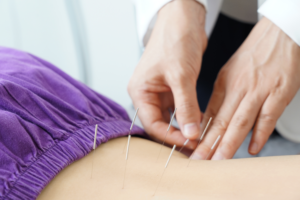
Acupuncture has been used for over 4000 years to treat pain and other health problems. Acupuncture effects what the ancient chinese practitioners called Meridians (energy channels) in your body under the skin. Traditional acupuncture is based on the belief that an energy, or “life force”, flows through the body in these channels called meridians.

Today, Researchers believe when an acupuncture needle is inserted, nerves are stimulated. This sends a message to your brain and nervous system. Ultimately, Acupuncture improves blood flow and calms the nervous system.  This triggers nerve signaling that affects the function of other parts of the body, including organs.

Dr. Natalie Meiri is a chiropractic physician, board certified in acupuncture with over 20 years of experience.  Call 561-253-8984 today!  Ask to make an appointment or find out more about: Chiropractor West Palm Beach: Acupuncture for Diabetic Neuropathy.


References:

1)  https://pmc.ncbi.nlm. Effect of Acupuncture on Diabetic Neuropathy: A Narrative Review

Eunwoo Cho 1, Woojin Kim 1,* Editor: Kazunori Sango1 PMCID: PMC8395323  PMID: 3444528  nih.gov/articles/PMC8395323/

2) Acupuncture for the treatment of painful diabetic peripheral neuropathy: A systematic review and meta-analysis

Chunliang Wang a, Yuzhu Fan b, Guiting Liang b, Qiang Wang a, Hui Gao a, Junhong Duan b 10.1016/j.ctcp.2024.101889


Chiropractor West Palm Beach: Leg and Foot Neuropathies Acupuncture Can Help- Sural Nerve Pain


This post is about Chiropractor West Palm Beach: Leg and Foot Neuropathies Acupuncture Can Help- Sural Nerve Pain.  Peripheral Neuropathy is a general term for when there is damage to the peripheral nerves. And Peripheral nerves connect your brain and spinal cord to the rest of your body. Neuropathy can be caused by various disorders and dysfunctions (e.g nerve entrapment, diabetes). Fortunately, if you have peripheral neuropathy of the leg or foot, acupuncture can provide relief! We’ve got some great information to share below about Sural Nerve Entrapment/Neuropathy and how Acupuncture can Help.


Sural Nerve Entrapment and Neuropathy

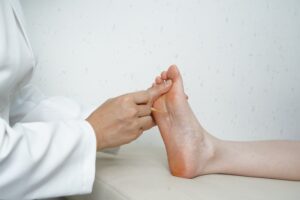
Do you have persistent pain, burning, aching, or numbness in the back side of your leg, ankle, or foot?  These are all symptoms of Sural Neuropathy. 


Anatomy of the Sural Nerve

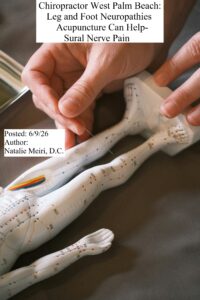
The sural nerve is a cutaneous (affecting the skin) nerve. So it is purely sensory. It provides only sensation to the posterolateral (back outside) aspect of the distal (away from body) third of the leg and the lateral (outside) aspect of the foot, heel, and ankle.

It is formed by terminal (ending) branches of the tibial and common peroneal nerves (both branches of the sciatic nerve) that join together in the distal third of the leg.

The Sural Nerve descends between the two heads of the gastrocnemius (calf muscle).  Next, it pierces the deep fascia (casing of connective tissue holding muscles) in the middle or upper part of the back of the leg. Then it is joined by the sural communicating branch of the common peroneal nerve. Finally, it continues to the lateral malleolus (bump of bone on the outside of your ankle). 


Chiropractor West Palm Beach: Leg and Foot Neuropathies Acupuncture Can Help -Examination

Typically, patients are diagnosed by the physical (orthopedic, neurological etc.) examination.  However, your doctor may order a nerve conduction study in a difficult unremitting case.  Often, you may also need an x-ray. 


Entrapment Sites

Sural nerve entrapment/neuropathy most commonly occurs in the ankle/foot area. The entrapment site located approximately two thirds the distance between the knee and the heel is a less common entrapment location.  The  most common sites are in the fascia just above the ankle and behind the lateral malleolus.

Sural Neuropathy/Nerve Entrapment Causes

Your pain and paresthesias (numbness and tingling) could have come on insidiously (gradually).  However, Sural neuropathy/nerve entrapment can be due to various causes such as trauma, bakers cyst, scaring, fascial restrictions and vascular problems.

Firstly, tight boots and lacing may be the cause of compression of the sural nerve. 

Secondly, different forms of trauma can be a leading cause of sural nerve pain. For instance, after an ankle sprain or an ankle fracture.  Afterwards, this can create significant pulling and traction on the nerve. Additionally, direct impact to the nerve from being kicked, falling, or an accident can be a cause.

Thirdly, entrapment sites are areas along the nerve’s pathway that may become entrapped, causing more pressure on the nerve. For instance, like carpal tunnel syndrome in the hand.

Fourthly, trauma from surgery can cause sural neuropathy. Sadly, this may be a common cause of chronic pain CRPS (Complex regional pain syndrome). And this is often in the news because of the American opiate crisis.   Patients are taking harmful drugs due to pain. And some of these patients’ pain could be related to this painful sural neuropathy. Various surgeries in the ankle, foot and leg can injure the sural nerve, resulting in sural nerve pain.


Here are some examples of  Sural Neuropathy after surgery:

  • Heel Fractures: Surgey is performed on the outer side of the heel bone which is next to the pathway of the nerve. A post-surgical scar can occur which irritates the nerve. So the nerve can become entrapped and tangled in the scar.
  • Achilles Tendon Repair: Similarly, surgery performed on the achilles tendon for repair or lengthening places the nerve at a risk for injury.
  • Ankle Surgery: Any ankle surgery may also cause injury to the nerve.
Dr. Natalie Meiri
Dr. Natalie Meiri

Chiropractor West Palm Beach: Leg and Foot Neuropathies Acupuncture Can Help-Sural Nerve Pain-Research:

First, in one study, among patients with chemotherapy-induced peripheral neuropathy (CIPN), acupuncture helped the sural nerve.  Acupuncture helped by enhancing structural regeneration of the sural nerve.  This was according to study findings published in the journal Phytomedicine

Second, Chemotherapeutic agents cause cellular and DNA damage and inflammation which evoke peripheral nerve degeneration and small fiber neuropathy. To evaluate whether acupuncture may improve symptoms of CIPN, the Acupuncture for Chemotherapy-Induced Neuropathy (ACICIN) study was conducted between 2012 and 2015 at the University Medical Center Hamburg-Eppendorf in Germany. Patients received weekly acupuncture for 10 weeks.

Third, in the same study, Acupuncture was also associated with improvements in burning pain, numbness, hypesthesia dorsum of foot, cramps, frequency of symptoms, and unsteadiness of gait.

Fourth, researchers concluded, subsequent studies should investigate the possible preventive effect of acupuncture if applied during chemotherapy.”


Chiropractor West Palm Beach: Leg and Foot Neuropathies Acupuncture Can Help-Sural Nerve Pain: How does Acupuncture help?

Acupuncture is a treatment that has been used for over 4000 years to treat pain and other health problems. It is a painless technique used to affect what the ancient chinese practitioners called Meridians (energy channels) in your body under the skin. Traditional acupuncture is based on the belief that an energy, or “life force”, flows through the body in these channels called meridians.


Today, Researchers believe when an acupuncture needle is inserted, the sensory and proprioceptive nerves are stimulated. This sends a message to your brain and nervous system. Ultimately, Acupuncture improves blood flow and calms the nervous system.  This triggers nerve signaling that affects the function of other parts of the body, including organs.


Meiri Chiropractic offers acupuncture for sural nerve pain and many other ailments.

Dr. Natalie Meiri is a chiropractic physician, board certified in acupuncture with over 20 years of experience.  Call 561-253-8984 today!  Ask to make an appointment or find out more about: Chiropractor West Palm Beach: Leg and Foot Neuropathies Acupuncture Can Help- Sural Nerve Pain. The next post will be on leg, ankle and/or foot neuropathies involving diabetes acupuncture can help.


References:

Friedemann T, Kark E, Cao N, et al. Acupuncture improves chemotherapy-induced neuropathy explored by neurophysiological and clinical outcomes – the randomized, controlled, cross-over ACUCIN trial. Phytomedicine. Published online June 26, 2022. doi:10.1016/j.phymed.2022.154294


Chiropractor West Palm Beach: Leg and Foot Neuropathies Acupuncture Can Help


This post is about Chiropractor West Palm Beach: Leg and Foot Neuropathies Acupuncture Can Help (Part 1).  Peripheral Neuropathy is a general term for when there is damage to the peripheral nerves. And Peripheral nerves connect your brain and spinal cord to the rest of your body. Neuropathy can be caused by various disorders and dysfunctions (e.g nerve entrapment, diabetes). Fortunately, if you have peripheral neuropathy of the leg or foot, acupuncture can provide relief! We’ve got some great information to share below about Peroneal Nerve Entrapment/Neuropathy and how Acupuncture can Help.

Peroneal Nerve Entrapment and Neuropathy

Do you have pain and burning over the outer border of the distal (closest to foot) calf and dorsum (top) of the foot and ankle?  Perhaps you also have numbness and paresthesia (pins and needles)?  These are all symptoms of superficial peroneal nerve entrapment and neuropathy. 


Ankle/Foot Pain Due to Superficial Peroneal Neuropathy

If you are exercising, you may experience a loss of sensation or pain along the lateral calf.  Additionally, swelling may occur locally in your foot.  At other times, the pain may localize to a distal part of your leg.


Common Peroneal Nerve versus the Superficial Peroneal Neuropathy

Injury to the common peroneal nerve results in a foot drop described as slapping or tripping. Pain and parethesia (pins and needles) may occur at the site of compression as well as distally into the lateral leg. At times there may be a radiation of pain into the thigh. Numbness and tingling can occur along the lateral leg and dorsum (upper surface) of the foot. Peroneal neuropathies occurring at the fibular (outer of two bones of the lower leg) neck (upper part of fibula) affect the DPN (deep peroneal nerve).  The SPN (superficial peroneal nerve) entrapment occurs in the lower leg at the ankle frequently due to a twisting of the ankle.

Chiropractor West Palm Beach: Leg and Foot Neuropathies Acupuncture Can Help (Part 1): Causes

Runners involve the superficial peroneal nerve frequently due to repetitive stretching.  This happens during inversion (turning sole of foot inwards) and plantar flexion (turning foot towards sole of foot), causing the nerve to push up against the fibula neck (top part of outer of 2 leg bones). 

You may have had a lateral (side) ankle sprain.  This may have also stretched and damaged the superficial peroneal nerve at the level of the fibular head (top of side leg bone). Similarly, a previous problem with this nerve may create a weakened peroneal muscle. And the peroneal muscle is essential for ankle positioning (especially for inversion) and stability. Next, this results in recurrent ankle sprains. 

Other causes may be:

-prolonged knee crossing (especially if you have recently lost a large amount of weight)

-tight knee band or cast

-repetitive trauma

-ganglions, cysts, or tumors


Anatomy of the Superficial Peroneal Nerve

Firstly, the superficial peroneal nerve originates from the common peroneal nerve along with the deep peroneal nerve. The superficial peroneal nerve is the smaller of the two common peroneal nerve branches.

Secondly, the common peroneal nerve arises from spinal nerves L4 through S1. Furthermore, the common peroneal nerve branches out from the sciatic nerve, which is composed of fibers from spinal nerves L4 through S3.

Third, the sciatic nerve terminates at the popliteal fossa of the knee.  It divides into the common peroneal and tibial nerves as it wraps around the top of the fibular bone.

Fourth, after separating from the common peroneal nerve, the superficial peroneal nerve courses through the peroneus longus muscle. The superficial peroneal nerve provides motor stimulation to the peroneus longus and peroneus brevis muscles (group of muscles that run along the outside of the lower leg and attach to the bones of the foot).

Fifth, the superficial peroneal nerve leaves the peroneal muscles on the anterolateral (front and side) aspect of the lower leg above the ankle joint.

Sixthly, the medial and intermediate dorsal cutaneous nerves appear from the superficial peroneal nerve. And these nerves provide sensory innervation to the leg’s anterolateral aspect, the dorsum (top) of the foot, and the dorsal (top) aspect of the toes, except the 1st interdigital space (between toes), which is innervated by the deep peroneal nerve. 


Chiropractor West Palm Beach: Leg and Foot Neuropathies Acupuncture Can Help -Examination

Typically, patients are diagnosed by the physical (orthopedic, neurological etc.) examination.  However, your doctor may order a nerve conduction study in a difficult unremitting case.  Often, you may also need an x-ray. 

Sites of possible entrapment of the superficial peroneal nerve include the following:

-deep fascia of leg, extensor digitorum longus muscle

-extensor hallucis longus muscle (lower leg muscles that move the foot and big toe)

-superior and inferior extensor retinaculum (thickened fascia located at the ankle joint).


Dr. Natalie Meiri
Dr. Natalie Meiri
Research on Acupuncture for Superficial Peroneal Nerve Pain and How it Works

Firstly, one review aimed to assess the efficacy of acupuncture in the treatment of neuropathy of various etiologies (cause). Acupuncture appears to improve nerve conduction study parameters in both sensory and motor (movement) nerves. A nerve conduction study (NCS) is a diagnostic test that measures how fast and effectively electrical signals travel through your nerves. So this study focused on acupuncture and it’s effects on nerve function.

Secondly, traditional Chinese Medicine’s explanation is that channels of energy called meridians run in regular patterns through the body and over its surface. These energy (called Qi) channels, nourish the tissues. Moreover, with acupuncture treatment, there is an improvement and balance of energy.  Ultimately, this results in stimulating the body’s natural healing abilities.  Lastly, it promotes physical and emotional well-being.

Thirdly, the modern scientific explanation is that needling the acupuncture points stimulates the nervous system.  Ultimately, this releases chemicals (e.g. enkephalins and endorphins) in the muscles, spinal cord, and brain. These chemicals can dramatically relieve pain.  Also, they will trigger the release of other chemicals and hormones.  And this further influences the body’s own internal regulating system.

Fourthly, once these neurotransmitters are moving about, your blood vessels vasodilates. And this gets blood into the affected areas, initiating healing. Indeed, Acupuncture improves blood flow and calms the nervous system. 


Are your suffering from leg, ankle and/or foot pain from Neuropathy?

Meiri Chiropractic offers acupuncture for superficial peroneal nerve pain and many other ailments. Dr. Natalie Meiri is a chiropractic physician, board certified in acupuncture with over 20 years of experience.  Call 561-253-8984 today!  Ask to make an appointment or find out more about: Chiropractor West Palm Beach: Leg and Foot Neuropathies Acupuncture Can Help (Part 1). The next post will be on leg, ankle and/or foot pain involving the Sural Neuropathy/Nerve Entrapment.


References:

https://pmc.ncbi.nlm.nih.gov/articles/PMC5359694/

J Altern Complement Med. 2017 Mar 1;23(3):164–179. doi: 10.1089/acm.2016.0155

Acupuncture for the Treatment of Peripheral Neuropathy: A Systematic Review and Meta-Analysis