Many people dealing with diabetic neuropathy feel as though they have few treatments available. They are relying on pain medications, living with pain and increased stress. For people seeking relief from the discomfort of diabetic neuropathy, a chiropractor in West Palm Beach might be the answer. Continue reading to learn more about how a chiropractor can provide care for Diabetic Neuropathy naturally.


What is Diabetes?

Diabetes mellitus is a disorder that results in chronic hyperglycemia (high blood sugar) due to absence of insulin, decreases in insulin, and/or decreased sensitivity of insulin receptors (areas on the outer part of a cell that allow the cell to join or bind with insulin that is in the blood). Generally, Diabetes mellitus is evident in two forms: (1) type 1, insulin-dependent diabetes mellitus , and (2) type 2, non-insulin-dependent diabetes mellitus. Usually, type 1 diabetes becomes apparent in childhood or adolescence.  And type 2 diabetes shows up later in life (over the age of40).

Microvascular complications of diabetes are those long-term problematic changes to small blood vessels. Unfortunately, it can lead to various health problems such as: retinopathy (disease of retina of eye), nephropathy (kidney disease), and neuropathy (nerve damage disease).


What is Diabetic Neuropathy?

With Diabetic Neuropathy, you will typically have low back pain along with burning pains in the lower extremities (limbs) and poor balance. Also, it can affect your arms and hands with numbness and pain. Indeed, neuropathy is a diabetes complication that causes nerve damage throughout your body.  About half of all people with diabetes have some form of neuropathy. Furthermore, it is more common in those who have had diabetes for many years. 


Chiropractic Care for Diabetic Neuropathy

In one study a patient with diabetic neuropathy was treated with chiropractic manipulation to the intertarsal and mortise joints (foot and ankle joints) and chiropractic myofascial therapy to the quadratus plantae muscles (muscle at bottom of foot) 18 times over 4 months. This treatment brought about dramatic improvement in both symptoms and clinical signs of nerve function. (1)

The study found that joint dysfunction may play a role in susceptibility to diabetic neuropathy and the treatment brought about improvement. Therefore, chiropractic treatment may bring about improvement by normalizing joint and nerve function in the areas affected.


How a Chiropractor Can Provide Care for Diabetic Neuropathy Naturally: Nutrition, Exercise and Supplements

First, keeping your blood glucose (blood sugar) levels on target is your best line of defense against neuropathy. Moreover, a healthy diet and consistent exercise is vital to your management of diabetic neuropathy. Researchers concluded that a western dietary pattern (i.e., high in red meat, fat, refined grains, and sweets/desserts) combined with low physical activity or obesity substantially increased the risk of type 2 diabetes.  In contrast, a more healthy dietary pattern (i.e., high consumption of vegetables, fruit, fish, poultry, and whole grains) decreased the risk. Among many studies emphasizing the need for exercise in reducing the morbidity (condition of suffering from a disease or medical condition) of diabetes, some indicate minor lifestyle changes may affect mortality (relating to death).

For example, in an 8-week walking program of 10,000 steps/day for women, the benefits of improved glucose tolerance and a reduction in blood pressure was realized.

In addition to the recommendations of eating a healthy diet and keeping weight down, some specific dietary supplements and herbs have been suggested in the scientific literature:

  • vitamin E
  • vitamin C
  • vitamin B6 (pyridoxine alpha-ketoglutarate)46
  • biotin
  • chromium
  • Gymnema
  • Asian ginseng
  • aloe vera

*Please Check with your doctor prior to utilizing any of the above


How a chiropractor can help provide care for Diabetic Neuropathy naturally

Diabetic Neuropathy can be helped naturally at Meiri Chiropractic.  Firstly, this involves spinal adjustments or extremity (limbs) manipulation and may include mobilization.  Secondly, soft tissue techniques along with the use of modalities (i.e. heat therapy, electric muscle stimulation) and rehabilitation/home exercises. Finally, homeopathic consultations/ prescriptions along with recommendations on nutrient and vitamin/herbal supplementation will be provided as necessary.  These treatments along with regular exercise and stress reduction can give you relief. 

Are you suffering from diabetic neuropathy?  Neuropathic pain is an issue that no one wants to deal with. It can be an uncomfortable and often debilitating condition, so it’s crucial to seek treatment as soon as possible. Your chiropractor in West Palm Beach can help you manage your symptoms and improve your overall quality of life. Call 561-253-8984 today!


References: (1) https://pubmed.ncbi.nlm.nih.gov/8138730/

(2) Thomas Souza,  (2018) Differential Diagnosis and Management for the Chiropractor


From Dr. Natalie Meiri’s Clinical Pearl Stories:

Chiropractic Care for Weakness and Pain from a Gym Injury


This was a 33 year old patient with a chief complaint of  bilateral (both) shoulder and neck pain.  To be HIPPA compliant, I will call him Trevor instead of his real name.    

Also, Trevor stated he “suffered from weakness” in his upper extremities (arms). So he had difficulty even lifting boxes due to the weakness in his arms at his job.  Lastly, he noticed some (laxity) “clicking” in his shoulders.

Trevor was an athlete. He worked out at the gym almost every day.  Trevor said 4 months ago he had injured his shoulders lifting weights at the gym. He had no past history of trauma otherwise. After going to physical therapy and getting massages for a month without relief, Trevor had come to see me.  


 What reasons can cause weakness in your arms?


Your sense of weakness may be due to pain or stiffness.  It is a misinterpretation and not truly a weakness stemming from your nervous system. Similarly, instability may appear as weakness to you.  For example, if you have laxity (looseness) of the shoulder joints, overhead or certain movements may feel “weak”.  This is because of the inability of the shoulder musculature to compensate.  Therefore, due to the ligamentous/capsular shoulder laxity, certain higher levels of elevation are difficult.  In conclusion, the weakness is not due to a neurological problem.

The following are nervous system disorders causing weakness in the arms: cerebrum/cerebellar (brain) disorders, spinal cord, nerve root, or peripheral nerve (e.g. carpal tunnel) disorders, and myopathy (e.g. muscular dystrophy and inflammatory disorders of muscle).


Trevor’s Examination at Meiri Chiropractic


Upon examination, I gave Trevor a diagnosis for a sprain in his neck and bilateral glenohumeral joints (shoulder joints). He definitely had positive tests for his neck. And Trevor’s glenohumeral joints (shoulder joints articulation between the scapula (shoulder blade) and the humerus (upper arm) did have mild laxity along with his postiive tests. I would order imaging (e.g. x-rays, MRI) in a month if there was no improvement.


Trevor’s Treatment and Outcome at Meiri Chiropractic


Firstly, Trevor’s treatments included chiropractic adjustments/ manipulation to his neck, both glenohumeral joints and associated regions. Secondly, associated regions included his thoracic (midback) spine. Thirdly, soft tissue therapy (myofascial release, pressure point and various post isometric relaxation procedures) and modalities (cold/heat therapy and electric muscle stimulation) were administered. Fourthly, he was given therapeutic exercises to continue his treatment at home.

Trevor felt much better from the first treatment.  After only a few visits, his pain level was decreased.  Most importantly, he had functional improvement.  And he stated his “weakness” was gone. Thereafter, he continued his chiropractic care for full recovery from his injuries.  Finally, he returned for periodic adjustments for overall wellness and increased performance at the gym.

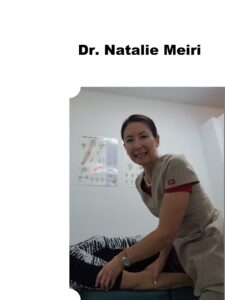
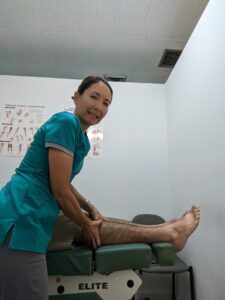
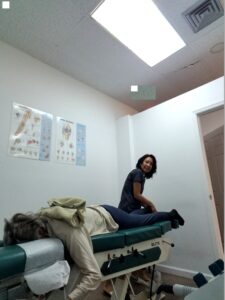
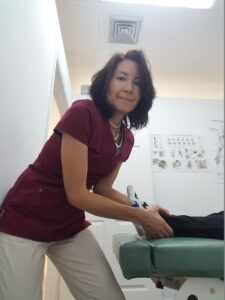
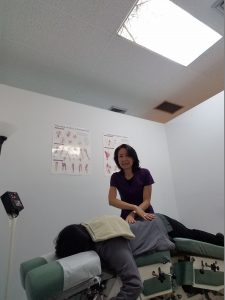
Dr. Natalie Meiri adjusts a patient's right shoulder


Chiropractic Care for Weakness and Pain from a Gym Injury


At Meiri Chiropractic we spend the time necessary to examine, diagnose and treat every neuromusculoskeletal condition and various ailments you have.  Chiropractic is a holistic and natural way to not only treat existing conditions, but to keep your body in its best working condition.  We have been offering the best effective chiropractic care in Palm Beach county since 2006.  Many of our patient reviews note our excellence.  Call us today at 561-253-8984 to make an appointment or to find out more about Chiropractic Care for Weakness and Pain from a Gym Injury.


A Chiropractor in West Palm Beach can help you with many ailments by way of adjustments. However, the food you consume on a daily basis has a very large impact on your body and the thousands of underlying processes that go on inside it every day. Nutrition is certainly a significant factor in your health. So some of your lifestyle choices outside of the doctor’s office can influence the effectiveness of treatment. When you eat well, your immune system fights off illness better, you elevate your brain function, you lose weight and your energy soars. By incorporating certain foods into your diet, you can contribute to faster healing and continued wellness.

In this blog post, we’ll take a closer look at Chiropractic and Nutrition: Gastrointestinal Disorders.


What are gastrointestinal disorders?

Gastrointestinal (GI) disorders are diseases or health problems of the digestive tract. Your digestive system includes your esophagus (tube leading to stomach from mouth), stomach, large and small intestines, liver, pancreas and gallbladder.  The digestive process involves breaking down of food and drink into nutrients that your body can absorb.  Next, your body uses these nutrients as energy and building blocks for cells.

The following are some common gastrointestinal disorders.


1.Reflux Esophagitis/ Hiatal Hernia/ G.E.R.D.

A hiatal hernia occurs when the upper part of the stomach pushes up into the chest through a small opening in the diaphragm, the muscle that separates the abdomen from the chest.  This results in retention of acid and other contents. These acids and other substances can easily reflux into the esophagus causing heartburn. So if heartburn continues and is more frequent it can become GERD (Gastroesophageal Reflux Disease).

The symptoms of GERD are also epigastric (upper central region of the abdomen) pain after eating a large meal and lying down. Your esophagus is a muscular tube that connects your mouth and your stomach. The esophageal sphincters (rings of muscle) contract and relax to allow food and liquid to pass. The tone of the lower esophageal sphincter (LES) may decrease with age and also with ingestion of certain foods.  In addition, smoking and certain medications also will decrease the tone of the LES, leading to reflux.  Moreover, increased pressure from obesity may aggravate symptoms. However, esophageal reflux can be common in healthy athletes, such as conditioned runners, cyclists, and weightlifters.  Several mechanisms may account for this, including position, Valsalva (forcefully breathing out against closed windpipe), and indirect effects of exercise on lower esophageal tone.

Lifestyle Changes for Reflux Esophagitis/ Hiatal Hernia/ G.E.R.D.

Avoid lying on your back after eating and during sleep. This reduces the risk of acid from your stomach flowing back into your esophagus, a primary cause of GERD symptoms. So keeping your posture upright creates an easier path for stomach acid to flow back into your esophagus due to gravity’s reduced effect. Similarly, compression of your abdomen by clothing or posture is also bad for digestion.  Instead, eat smaller meals and 4 hours before bedtime. 

To sooth irritated tissue and relax your lower esophageal sphincter avoid the following substances/foods: progesterone, fat, caffeine, chocolate, alcohol, nicotine, peppermint oil, spearmint oil, red pepper, protein and amino acids, niacin, calcium

To help irritated esophageal mucosa (protective epithelial cell barrier to gastric acid) avoid: aspirin and certain NSAIDS (nonsteroidal anti-inflammatory drugs), alcohol, caffeine, corticosteroids, bile salts, black pepper, chilli pepper, vinegar, mustard, cloves, nutmeg


2. Peptic Ulcer

Peptic ulcer disease, also referred to as stomach or duodenal ulcers, is usually caused by bacteria or the overuse of common pain relievers.  Although you may have pain after eating, for most people, pain occurs when the stomach is empty.  Moreover, it is four times more common in men than women. 


Lifestyle changes for Peptic Ulcer

Firstly, an unrefined, high fiber diet may be helpful. Secondly, avoiding gastric secretagogues and mucousal irrtants is important.  To help gastric secretagogues (substance that causes another substance to be secreted) irritation  avoid: methylxanthines (alkaloids that can be found in high concentrations in tea, coffee, and chocolate), decaffeinated coffee, alcohol, cola drinks, tobacco.  Thirdly, consume no bedtime snacks.  Fourthly, rule out food sensitivities.  Fifthly, zinc, Glutamine and Nicotinic acid (niacin) supplementation reduced pain and shortened healing time in some studies.  Lastly, Cabbage juice is said to benefit peptic ulcer.


3. Irritable Bowel Syndrome (IBS)

IBS is a condition with chronic recurrent abdominal pain with constipation or diarrhea.  However, there are no signs of bleeding or inflammation.  And  IBS is the most common chronic gastrointestinal disorder.  Indeed, it is stress related.


Lifestyle changes for IBS:

Firstly, consider a high-fiber low refined carbohydrate diet.  Also, include supplemental bran/psyllium husk as tolerated. Secondly, avoid gas-forming foods (onion, beans, melon, cabbage).  Thirdly, see if you are lactose intolerant. Fourthly, see if you have other food sensitivities. Fifthly, stress management techniques are essential.  Moderate exercise is a suggestion. Lastly, peppermint oil and lactobacillus acidophilus may relieve symptoms. 


4. Regional Enteritis (Crohn’s Disease)

Crohn’s disease is a chronic disease that causes inflammation in your digestive tract (small and large intestine). The cause of Crohn’s disease is unknown. Researchers think that an autoimmune reaction may occur.  The symptoms are severe cramping and diarrhea.  Because of malabsorption of nutrients, anemia,  fatigue, and weight loss happens.


Lifestyle changes for Regional Enteritis (Crohn’s disease):

Firstly, consider a hypoallergenic formula diet during acute episodes.  Secondly, a high-protein, high micronutrient diet, that includes supplements is necessary.  Thirdly, avoid sugar and other refined carbohydrates.  Fourthly, find out if you are lactose intolerant or have other food sensitivities.  Fifthly, your doctor should monitor your serum proteins and complete blood count test.  Lastly, glycosaminoglycan (cartilage extract) and glutamine supplementation may provide additional energy for the intestinal tissue.


5. Ulcerative Colitis

Ulcerative colitis is a chronic, inflammatory bowel disease that causes inflammation in the digestive tract. It is usually only in the innermost lining of the large intestine (colon) and rectum.  Again, the cause is attributed to autoimmune disease.

Symptoms include episodic cramping and bloody diarrhea. Ulcerative colitis is most common in young adults.  In addition, it may be accompanied by systemic (whole body) symptoms.  And there is a high risk for future colon cancer.


Lifestyle changes for Ulcerative colitis: 

Firstly, a low-residue (low fiber) lactose free diet with fluid and electrolyte replacement during re-exacerbations is important.  Secondly, a normal fiber, high protein (up to double recommended daily allowance) and micronutrient diet which includes supplements (e.g. glycosaminoglycan (cartilage extract) is recommended.  Thirdly, your doctor should monitor your serum proteins, electrolytes and complete blood count test.  Fourthly, psyllium husk, oat bran or pectin may ameliorate the diarrhea. Fifthly, avoid sugar and other refined carbohydrates.  Lastly, find out about any food sensitivities you may have.

*For all the above, please check with your primary care doctor before implementation.


Dr. Natalie Meiri
Dr. Natalie Meiri


Chiropractic and Nutrition: Gastrointestinal Disorders

According to the National Board of Chiropractic Examiners’ (Nabco’s) Practice Analysis of Chiropractic 2015 “Chiropractic is based on the premise that the body is able to achieve and maintain health through its own natural recuperative powers, provided it has a properly functioning nervous system and receives the necessary health maintenance components. These components include adequate nutrition, water, rest exercise and clean air”.

Your chiropractor in West Palm Beach will adjust your spine to improve the relationship between the spine and nervous system, which affects the function of all the organs and systems in your body. She will educate you on how to prevent future suffering by learning and implementing a lifestyle for health self enhancement.  In this regard, we may give take home exercises, recommend ergonomic changes and nutritional changes.  Call Dr. Natalie Meiri, your chiropractor in West Palm Beach to make an appointment or to find out more about Chiropractic and Nutrition: Gastrointestinal Disorders at 561-253-8984.


A Chiropractor in West Palm Beach can help you with many ailments by way of adjustments. However, nutrition is certainly a significant factor in your healing. So some of your lifestyle choices outside of the doctor’s office can influence the effectiveness of treatment. By incorporating better nutrition, you can contribute to faster healing and get back to wellness.

In this blog post, we’ll take a closer look at Chiropractic and Nutrition: Inflammatory and Repair Phases of Musculoskeletal Injury.


What is the Inflammatory (Acute) Phase of Musculoskeletal Injury?

Firstly, the inflammatory response occurs during the first few days after your injury or trauma which includes edema (swelling). However, this inflammation is actually necessary for tissue repair. Secondly, this results in pain, redness, and heat. It is a result of vascular and cellular responses that release required chemicals for the healing. And the response allows for an increase in blood flow to the area causing edema.  Thirdly, the process “breaks down and digests” damaged cells and sets the stage for the next phase.  Fourthly, after chiropractic care has begun, some of the substances below may help expedite healing.


Proteolytic Enzymes

Supplementing with proteolytic enzymes may decrease the inflammatory response by breaking down inflammatory proteins. Again, the proteins cause vascular permeability (ability of a substance to allow gases or liquids to go through it) and pain. And the enzymes significantly improve local circulation by breaking down cell debris and fibrin prior to uptake by the lymphatic system. The lymphatic system is part of the immune system. It keeps body fluid levels in balance and defends the body against infections.  The helpful enzymes are derived from bovine (cow), pancreas (trypsin, chymotrypsin), pineapple skin (bromelain), or papaya.

Contraindications (reason not to take) to the use of proteolytic enzymes includes: increased bleeding tendency, systemic infection and allergy to the food sources its made from.

Bioflavonoids

Sometimes referred to as the P vitamin, bioflavonoids are not true vitamins. There are many bioflavonoids: citrin, erodictryol, flavones, hesperin, hesperidin, quercetin, quercetrin, and rutin. You can not produce bioflavonoids, so you have to include it in your diet. Bioflavonoids are generally found in tea, dark chocolate, most fruits and vegetables.

Bioflavonoids may significantly restrict vascular permeability to limit swelling.  Also, it may inhibit inflammatory prostaglandins (hormone-like substances that affect several bodily functions, including inflammation and pain).  Lastly, bioflavonoids are effective only before the peak of the inflammatory phase and will not reduce established edema.


Vitamin C

Supplementing with vitamin C along with vitamin E may reduce free radical processes in inflamed tissues.  Additionally, Vitamin C may support adrenal gland production of anti-inflammatory hormones and may have mild fibrinolytic (keeps blood clots from forming) and antihistamine (relieves allergy) effects.


Research

Numerous studies have proven the effectiveness of proteolytic enzymes for injury and inflammation. Lumbar disc prolapse patients treated with proteolytic enzymes showed improvement in orthopedic tests and decrease in pain medication usage.

In combination with bioflavonoids, vitamin C was included in some studies to help with inflammation. 


What is the Proliferative (Subacute/Repair) Phase of Musculoskeletal Injury?

Firstly, this phase begins as the inflammation settles down and your body begins to repair the damaged tissue by laying down new connective tissue.  Secondly, in this phase you likely will also have less pain. Thirdly, regeneration of disrupted muscle and connective tissue requires the availability of appropriate protein and non-protein substances to start.  Fourthly, nutrient cofactors (helper molecules) are required by synthesizing (combining) enzymes.


Healing Damaged Tissue

Deficiencies of certain nutrients should be corrected to allow optimal tissue growth.  These include:  sufficient nutritious calories, protein, essential fatty acids, vitamins A, B1, B2, C and E, zinc, copper, manganese and selenium.

Traumatic injury appears to increase requirements for protein (especially branched chain amino acids) and vitamin C.  Supplementation of arginine (amino acid, a building block of protein), glycine (amino acid), proline (amino acid from L-glutamate), vitamins A and C, pantothenic acid (B vitamin), and zinc may improve tissue healing.


Connective Tissue (cartilage) Repair

Mucopolysaccharides (glycosaminoglycans, proteoglycans), the nonfibrous component of connective tissue, are composed of small amounts of protein and large amounts of specialized carbohydrates. These carbohydrates are synthesized by chondrocytes (cells found in cartilage) which produce and maintain the cartilaginous matrix. Some minerals are required as well for repair.

Manganese (mineral) is a required cofactor for the synthesis of mucopolysaccharides.

Chondroitin sulfate and other mucopolysacharides are available as supplements.


Dr. Natalie Meiri
Dr. Natalie Meiri
Chiropractic and Nutrition: Inflammatory and Repair Phases of Musculoskeletal Injury

Spinal and extremity (limbs) adjustments along with recommendations from your chiropractor regarding stretching and strengthening exercises, nutrition, and lifestyle changes can successfully treat a number of common, chronic and acute injuries. Besides from becoming a peak performance athlete, regular chiropractic care will help with digestion, improve sleep, and increase energy. Regular chiropractic adjustments help avoid many of the disorders that take shape as illness.

Are you looking to get out of pain fast, perform better and reduce injuries? Dr. Natalie Meiri, a chiropractor in West Palm Beach can definitely help you! Call 561-253-8984 today to make an appointment or to find out more about Chiropractic and Nutrition: Inflammatory and Repair Phases of Musculoskeletal Injury.


References: Handbook of Preventative and Therapeutic Nutrition by James M. Gerber,M.S., D.C., 2007


Video about Meiri Chiropractic


A Chiropractor in West Palm Beach can help you with many ailments by way of adjustments. However, the food you consume on a daily basis has a very large impact on your body and the thousands of underlying processes that go on inside it every day. Nutrition is certainly a significant factor in your health. So some of your lifestyle choices outside of the doctor’s office can influence the effectiveness of treatment. When you eat well, your immune system fights off illness better, you elevate your brain function, you lose weight and your energy soars. By incorporating certain foods into your diet, you can contribute to faster healing and continued wellness.

In this blog post, we’ll take a closer look at Chiropractic and Your Diet: Muscle Spasm and Cramps.


What is a Muscle Cramp?

A muscle cramp is an uncontrollable and painful spasm of a muscle. Any muscle can be affected, but the muscles of the thigh, calf and foot are particularly prone.  This involuntary contraction (“charley horse”) of a muscle occurs suddenly and then does not relax.  You will have sudden, tight, and intense pain caused by a muscle locked in spasm. 

Additionally, there’s fasciculation, or muscle twitches, which are usually not painful the way a sudden cramp may be. And cramps and fasciculation are the result of muscles contracting involuntarily.

Many truly pathologic (caused by disease) causes exist, such as hypoparathyroidism, vascular insufficiency (circulation problems), and various kinds of trauma for muscle cramping.  Nevertheless, many incidents of muscle cramping have no known obvious cause. 


Muscle Cramps, positioning, and stretching

Perhaps there is a position you are in when the cramping occurs?  For instance, you may be doing repetitive plantar-flexion of your (extension of the ankle so that the foot points down and away from the leg) foot while sleeping or exercising which may “shorten” your muscle.  Then when there is further voluntary or involuntary contraction of the already shortened muscle, cramping occurs.   Ladies who wear high heeled shoes regularly may have this problem.

Of course, stretching of the muscle helps in both preventing and resolving the cramp.


Water and Electrolytes

Firstly, if you have muscle cramps during strenuous exercising you may be dehydrated. Simply increase your water intake.

Secondly, mineral imbalances or deficiencies may cause muscle cramping.  A decrease in potassium, perhaps due to a diet high in salt and low in fresh fruits and vegetables may negatively affect local circulation.  Furthermore, this hastens fatigue and increase irritability of muscle tissue.


Nutrition for muscle cramps

Increasing magnesium and calcium intake helps.  Moreover, if you are pregnant, this may help reduce leg cramping.

Cramping can be due to vascular disorders such as atherosclerosis (thickening or hardening of the arteries), intermittent claudication (narrowing or blockage in the main artery taking blood to your leg) or thrombophlebitis (a blood clot (thrombus) inside an inflamed vein).  Large doses of vitamin E may help.


Chiropractic Adjustments/Joint manipulation for muscle spasm, cramping and pain

Muscle spasms can be a response, which occurs as the body takes steps to protect itself after an injury.  Other neuromusculoskeletal causes could be arthritis and fibromyalgia

Adjustments allow your spine and extremity (limb) joints to restore normal motion, which in turn leads to reduced pain and a decrease in muscle spasms.

Without treatment, chronic muscle spasms can result in permanent damage, so treatment is important. At Meiri Chiropractic, soft tissue techniques is utilized along with adjustments to the spine and extremities.  Lastly, regular stretching and strengthening exercises are prescribed to prevent future muscle spasms.

Regular chiropractic care will stop muscle spasms and cramping.  And on-going adjustments may help patients remain pain free. 


Dr. Natalie Meiri
Chiropractic and Your Diet: Muscle Spasm and Cramps

According to the National Board of Chiropractic Examiners’ (Nabco’s) Practice Analysis of Chiropractic 2015 “Chiropractic is based on the premise that the body is able to achieve and maintain health through its own natural recuperative powers, provided it has a properly functioning nervous system and receives the necessary health maintenance components. These components include adequate nutrition, water, rest exercise and clean air”.

Your chiropractor in West Palm Beach will adjust your spine and extremities  to stop the muscle pain, spasm and cramping.  Call Dr. Natalie Meiri, your chiropractor in West Palm Beach at 561-253-8984 to find out more about Chiropractic and Your Diet: Muscle Spasm and Cramps or to schedule an appointment.


References: Handbook of Preventative and Therapeutic Nutrition by James Gerber, 1993


A Chiropractor in West Palm Beach can help you with many ailments by way of adjustments. However, the food you consume on a daily basis has a very large impact on your body and the thousands of underlying processes that go on inside it every day. Nutrition is certainly a significant factor in your health. So some of your lifestyle choices outside of the doctor’s office can influence the effectiveness of treatment. When you eat well, your immune system fights off illness better, you elevate your brain function, you lose weight and your energy soars. By incorporating certain foods into your diet, you can contribute to faster healing and continued wellness.

In this blog post, we’ll take a closer look at diet and nutritional changes, chiropractic care and  improving your hypercholesterolemia (high cholesterol).


What is Hypercholesterolemia (high cholesterol)?

Ovewr 25% of adults in the USA have serum cholesterol levels over 200mg/dL  High levels of a certain type of cholesterol is linked to heart disease and stroke.  Cholesterol is a waxy substance made by your liver. It is used for important functions, such as making hormones, nervous system function and digesting fatty foods. However, too much cholesterol can cause plaques in blood vessels. Plaques can cause inflammation, rupture and cause clots, leading to a heart attack.


Some Facts about cholesterol

Ideal serum cholesterol values are below 200 mg/dl.  Values above 240 mg/dl require further analysis by your primary care doctor.  Coronary risk factors are: male gender, cigarette smoking, hypertension, severe obesity, diabetes, family history of premature (before age 55) coronary heart disease, diagnosed cardiovascular or peripheral vascular disease, low high density lipoprotein (HDL) cholesterol (below 35 mg/dl).


What can you do?

When dining out, avoid meat and cheese dishes, sauces, fried foods, and rich desserts.  Furthermore, look for entrees with the specifications that it is inline with the American Heart Association guidelines.  Seafood, salad entrees, and some ethnic cuisines (e.g. asian, middle eastern) are recommended.


Dietary Fiber

Soluble fiber lowers cholesterol by binding it to the small intestine. Once inside the small intestine, the fiber attaches to the cholesterol particles, preventing them from entering your bloodstream. So instead, cholesterol will exit the body through the feces.

Eat foods with high soluble fiber.  For instance, oats, oatmeal, oat bran, whole fruits (apples) and legumes (beans, peas). Additionally, supplemental phyllium husk (10g/dl), pectin (6 to 50 g/d) or guar gum (5 to 30 g/d) may be added to meals.


Nutrient Deficiencies

Hypercholesterolemia (high cholesterol) can cause nutrient deficiencies.  These include vitamin C, chromium or copper (especially if you are taking zinc).


Supplements

Taking fish oils may help if your triglycerides are elevated. Oils high in docosahexaenioic acid (DHA) and low in Eicosapentaenoic acid (EPA) may be best for reducing LDL and keeping HDL levels high.  Calcium  2 g/d with meals may help bind your fats in the gastrointestinal tract.  Also, garlic, 9 g/d fresh ( e.g. 3 cloves), 600 mg/d powder or 18 to 25 mg/d oil is helpful.


Lifestyle changes

Triglycerides are fats from the food we eat. Most of the fats we eat (e.g. butter) are in triglyceride form.  So extra calories, alcohol and sugar in your body turn into triglycerides. Your body stores them in fat cells throughout your body.

High triglycerides (hypertriglyceridemia) can put you at a higher risk of heart and vascular (blood vessel) disease. 

Weight management, restriction of alcohol (zero if hypertriglyceridemia), aerobic physical activity, simple sugar restriction, and eating fish several times a week are recommended.


High density Lipoprotein Deficiency

Cholesterol alone can’t mix with or dissolve in your blood. Instead, your liver packages cholesterol with triglycerides and proteins called lipoproteins. The lipoproteins move this fatty mixture to areas throughout your body. Moreover, the types of  lipoproteins include: low density lipoproteins (LDL) and high density lipoproteins (HDL). 

For adults, a normal triglyceride level is below 150 mg/dL. Your total cholesterol looks at a combination of triglycerides, HDL and LDL numbers. If your triglycerides and LDL cholesterol are high, but your HDL is low, you have an increased risk of heart attack and stroke. 


What to do if you have low levels of High density lipoproteins (HDL)

You have low HDL if your HDL is below 35 mg/dl.  You can do the following to correct this:  Stop smoking, cut back on coffee, do moderate physical exercise, loose weight if necessary, use moderation with drinking alcohol, avoid sugar, garlic oil (18mg/d from three cloves) may help.

Olive oil reduces LDL and heart disease risk.  Soybeans reduce LDL and triglycerides. 


With all the above suggestions, please first check with your doctor who is managing your high cholesterol. 


Dr. Natalie Meiri


Chiropractic and Your Diet: High Cholesterol and Lipid Problems

According to the National Board of Chiropractic Examiners’ (Nabco’s) Practice Analysis of Chiropractic 2015 “Chiropractic is based on the premise that the body is able to achieve and maintain health through its own natural recuperative powers, provided it has a properly functioning nervous system and receives the necessary health maintenance components. These components include adequate nutrition, water, rest exercise and clean air”.

Your chiropractor in West Palm Beach will adjust your spine to improve the relationship between the spine and nervous system, which affects the function of all the organs and systems in your body. She will educate you on how to prevent future suffering by learning and implementing a lifestyle for health self enhancement.  In this regard, we may give take home exercises, recommend ergonomic changes and nutritional changes.  Call Dr. Natalie Meiri, your chiropractor in West Palm Beach at 561-253-8984 to find out more about Chiropractic and Your Diet: High Cholesterol and Lipid Problems  or to schedule an appointment.


A Chiropractor in West Palm Beach can help you with many ailments by way of adjustments. However, the food you consume on a daily basis has a very large impact on your body and the thousands of underlying processes that go on inside it every day. Nutrition is certainly a significant factor in your health. So some of your lifestyle choices outside of the doctor’s office can influence the effectiveness of treatment. When you eat well, your immune system fights off illness better, you elevate your brain function, you lose weight and your energy soars. By incorporating certain foods into your diet, you can contribute to faster healing and continued wellness. 

Meiri Chiropractic offers chiropractic care as well as tips for healthy living, including a diet plan. We can help you make good eating choices. In this blog post, we’ll take a closer look at how diet changes and chiropractic care can help improve your hypertension (high blood pressure).

What is Hypertension (high blood pressure)?

Hypertension is a systolic (pressure when your heart pushes blood out) blood pressure greater than 130 mmHg and/or a diastolic (pressure when your heart rests between beats) blood pressure greater than 80 mmHg. High blood pressure develops when blood flows through your arteries at higher-than-normal pressures. According to the Centers of Disease Control, nearly half of adults have hypertension (48.1%, 119.9 million).  Unfortunately, about 1 in 4 adults with hypertension don’t have their hypertension under control (22.5%, 27.0 million).  Moreover, some don’t even know they have it!

The above figures pertain to the 90 percent of all hypertension cases labeled as “primary,” or “idiopathic”(unknown cause).  In other words, hypertension is not secondary to the disease but is the disease. So these don’t have a cause, such as hypercalcemia, hyperaldosteronism (due to adrenal disease), renovascular (due to kidney problems) disease, drug iatrogenesis (effects of conventional drug), hyperthyroidism or hypothyroidism. 

What happens if Hypertension isn’t managed?

Chronic hypertension accelerates the development of atherosclerosis (thickening/hardening of arteries) and is thus a major risk factor for stroke and myocardial infarction (heart attack). Additionally, the physiologic consequences of continued high blood pressure contribute to the development of congestive heart failure, hypertensive retinopathy (eye disease), and hypertensive kidney disease. Furthermore, hypertension combined with  diabetes, smoking or dyslipidemia (imbalance of lipids), increase your risk for cardiovascular disease tremendously. 


Nutritional/Natural Therapies for Hypertension


Weight Loss 

Weight reduction is usually helpful.  Indeed, there is an average rise of 6.5 mmHG systolic blood pressure for every 10% increase in body weight over ideal weight.  This is especially true if weight gain is due to body fat and not muscle. To be effective, weight loss usually requires a combination of lowered caloric intake in addition to more calories utilized.  Indeed, a moderate exercise program is important.


Alcohol Restriction

Alcohol restriction reduces blood pressure and risk of stroke in heavy drinkers. Similarly, for “casual” or responsible drinkers it should limit to no more than 2 drinks per day


Sodium Restriction

Decreasing sodium intake may help 20% to 50% of hypertensives. Low-renin hypertension (low levels of an enzyme called renin) accounts for an important subset of the hypertensive population. Blood pressure regulation is the main function of the enzyme renin. Additionally, this is associated with salt-sensitivity, diuretic response and is common in black patients. Therefore,  low/no salt diets are useful in hypertensive patients with normal or low renin levels.

Mild Sodium Restriction (2500 to 4500 mg/day) is for drug-controlled mild hypertension only.  This may enhance herbal diuretic therapy for hypertension. It entails no salty foods, table salt or salty seasonings.  So minimal salt is allowed in cooking.

Obviously, moderate sodium restriction (1500 to 2500 mg/day) produces better results than mild.  No salt at all may be used in cooking or eating.  And most processed foods must be avoided.


Modification of Dietary Fat Intake

Lower total fat and saturated fat may reduce viscosity (thickness) of  blood Saturated fats are found in animal-based foods like beef, pork, poultry, full-fat dairy products and eggs. Increasing polyunsaturated fats (vegetable oils, fish oils, etc) may affect vascular and renal prostaglandins. Prostaglandins are compounds in the body made of fats that have hormone-like effects.

The Pritikin diet with exercise may reduce blood pressure by 21/11 mmHg in nonmedicated patients and by 7/5mmHG in medicated patients.  Fatty fish and fish oils in large amounts may reduce blood pressure up to 15/7 mm Hg.


Drug/Nutrient Interactions

Diuretics (water pills) are a class of medications that remove water and electrolytes from the body by increasing urination. They’re often used to treat hypertension. Some diuretics for high blood pressure cause sodium excretion.  Also, they cause potassium, magnesium and sometimes calcium loss.  Others may even cause potassium conservation so requires limitation of dietary potassium. 


Potassium Therapy

Higher potassium intake may vasodilate or assist sodium and water excretion.  Intake of 5000 to 7000 mg/day (vs 2000 to 4000 mg/d RDA) produces 3% to 10% drop in blood pressure. There are contraindications if you are taking potassium diuretics or have kidney disease.


Calcium Therapy

Higher calcium intake may help relax vascular smooth muscle and increase sodium excretion.  Calcium, 1000 to 2000mg/day for at least 2 months may reduce diastolic pressure by 4-9mmHG and systolic pressure by 6 to 13 mmHG.


Magnesium Therapy

Magnesium deficiency can contribute to hypertension. Interestingly, many diuretics deplete magnesium as well as potassium.  Magnesium, 360 mg/d for 6 months reduces blood pressure 12/8 mm Hg in depleted patients.


Exercise Therapy

Exercise has an effect on blood pressure as well as contribute to weight loss and stress reduction. Try three to five sets of 10-minute exercise bouts with 3 minutes of rest in between. This reduces blood pressure 25% for 4-10 hours.  Regular aerobic exercise and moderate circuit weight training for 10 weeks reduces blood pressure 14/15 mm Hg.


Stress Reduction

Identify and minimize sources of stress and explore relaxation therapies.  Stress reduction and meditation have been shown to be effective for hypertension.


Heavy Metal Detoxification

Cadmium and lead accumulation may contribute to hypertension. Vitamin C and nutrient minerals may help lower your  body burden of these toxic metals.


Research on Chiropractic Spinal Adjustments and Hypertension

Firstly, research on chiropractic spinal manipulation in the treatment of chronic hypertension  was published in the May 2007 issue of the Journal of Human Hypertension by Bakris and colleagues. In this research, 50 hypertensive patients, blood pressure reductions were -17/-10 mm Hg in the treatment group receiving upper cervical (neck) chiropractic spinal manipulation versus -3/-2 mm Hg in the placebo group.

Secondly, hypertension is a multifactorial condition that is among the leading causes of mortality worldwide. Regulation of your  blood pressure greatly depends upon the activity of the autonomic nervous system. So changes in the autonomic nervous system can lead to hypertension. In addition to nervous system control and individual physiologic state, even various genes can directly influence autonomic responses. The complexity of blood pressure shows the need for alternative interventions such as chiropractic.

Thirdly, chiropractic focuses on the more natural forms of healing, and looks for ways to encourage the body to heal itself. Your chiropractor may recommend lifestyle changes that can help lower high blood pressure including, regular exercise, weight loss, healthy eating, and not smoking along with your adjustments.


Chiropractic and Your Diet: High Blood Pressure

According to the National Board of Chiropractic Examiners’ (Nabco’s) Practice Analysis of Chiropractic 2015 “Chiropractic is based on the premise that the body is able to achieve and maintain health through its own natural recuperative powers, provided it has a properly functioning nervous system and receives the necessary health maintenance components. These components include adequate nutrition, water, rest exercise and clean air”.

Your chiropractor in West Palm Beach will adjust your spine to improve the relationship between the spine and nervous system, which affects the function of all the organs and systems in your body. She will educate you on how to prevent future suffering by learning and implementing a lifestyle for health self enhancement.  In this regard, we may give take home exercises, recommend ergonomic changes and nutritional changes.  Call Dr. Natalie Meiri, your chiropractor in West Palm Beach at 561-253-8984 to find out more about Chiropractic and Your Diet: High Blood Pressure or to schedule an appointment.


References: Handbook of Preventative and Therapeutic Nutrition by James M. Gerber,M.S., D.C.


*With all the above suggestions, please first check with your doctor who is managing your hypertension.


A Chiropractor in West Palm Beach can help you with many ailments by way of adjustments. However, the food you consume on a daily basis has a very large impact on your body and the thousands of underlying processes that go on inside it every day. Nutrition is certainly a significant factor in your health. So some of your lifestyle choices outside of the doctor’s office can influence the effectiveness of treatment. When you eat well, your immune system fights off illness better, you elevate your brain function, you lose weight and your energy soars. By incorporating certain foods into your diet, you can contribute to faster healing and continued wellness. 

While taking a multi-vitamin/ multi-mineral supplement, fish oil supplement, probiotics and supplemental calcium (for women) is a good idea, your daily vitamins, minerals, and micro-nutrients should be mostly obtained by eating a nutritious diet.  Moreover, include as much fresh food as possible. And avoid processed or fast food as much as possible.  You may prevent cancer and help your body fight toxins by doing all of this. 

Your diet for general wellness and reducing inflammation in your body could start by following the modified basic four food guide.  Meiri Chiropractic offers chiropractic care as well as tips for healthy living, including a diet plan. We can help you make good eating choices so that you stay fit.


What is the Modified Basic Four Food Guide?

Firstly, food group guides have been used to help classify foods eaten into groups.  These groups represent elements of a balanced adequate diet.  However, the following doesn’t apply to pregnant or lactating women.

Secondly, serving size may be adjusted to match your calorie needs (e.g. athletes).  U.S. Adult Intake for calories are the following:

men: 1200 to 5000 kcal/day range, 2500 average

women: 700 to 3000 kcal/day range, 1500 average

Thirdly, when establishing your regular diet consider the basic food groups. Moreover, you may find it easier to eat a well-rounded diet by noting this reference.  Each group can provide you with vitamins, minerals, and other nutrients that your body requires to stay healthy.

Summary of Modified Basic Four Food Guide


Dairy Products- 2-3 servings per day

Dairy products are excellent sources of protein, vitamin B12, calcium and zinc.  You should seek low fat sources. Additionally, yogurt and kefir contain beneficial probiotics, which help keep your digestive system healthy. If you are lactose intolerant or just don’t tolerate dairy you should of course avoid it.

Animal Proteins, 2 servings per day

Animal proteins are excellent sources of protein, vitamin B6, B12, iron, zinc, chromium, and selenium. You should seek low-fat sources. Lean meats include all beef, poultry, and fish.  Eggs are also in this group. And if you are vegetarian, you can get protein from plants (increase plant protein servings).  

Plant Proteins, 2 servings per day

Plant proteins (legumes, nuts, seeds) are excellent sources of vitamin B6, folic acid, magnesium, iron, copper manganese, chromium, and dietary fiber.  Also, tofu (calcium sulfate set) is a great source of calcium.  A half-cup of firm tofu delivers 860 milligrams of calcium, or 66% of the recommended daily intake.

Whole Grain Products, 4 or more servings per day

Whole grain products (not white flour, white rice, etc.) are excellent sources of vitamin B6, manganese, chromium, selenium and dietary fiber. And refined grain products are missing the above nutrients.  Therefore, a  majority of grain foods you eat should be whole grain, cutting out processed and packaged products as much as possible. Grains make up a wide range of foods such as wheat and corn.  Lastly, if you are gluten sensitive try oats, rice, and quinoa. And you can eat grains whole or ground into flour to make bread, pasta, noodles, and cereals. 


Total Fruits and Vegetables, 4 or more servings per day.

The following special subcategories apply:


Dark Green Vegetables,  1 or more servings per day

Includes broccoli, brussels sprouts, dark lettuces and cabbages, spinach, dark leafy greens (collards, turnip greens, etc). These are excellent sources of vitamins A, E, and C, calcium, magnesium, iron, manganese, chromium and dietary fiber.

Vitamin C Foods, 1 or more servings per day

Includes citrus fruits, tomatoes, peppers, melons, strawberries, dark green leafy vegetables.  These are excellent sources of vitamin E, folic acid and dietary fiber.

Polyunsaturated Oils, 1 Serving per day

Includes most non-tropical plant and fish oils.  This is an excellent source of vitamin E and essential fatty acids.  You should avoid rancid oils that have been heated or stored too long (beyond shelf life).


Dr. Natalie Meiri


Chiropractic and Your Diet: Modified Basic Four Food Guide

According to the National Board of Chiropractic Examiners’ (Nabco’s) Practice Analysis of Chiropractic 2015 “Chiropractic is based on the premise that the body is able to achieve and maintain health through its own natural recuperative powers, provided it has a properly functioning nervous system and receives the necessary health maintenance components. These components include adequate nutrition, water, rest exercise and clean air”.

Your chiropractor in West Palm Beach will adjust your spine to improve the relationship between the spine and nervous system, which affects the function of all the organs and systems in your body. She will educate you on how to prevent future suffering by learning and implementing a lifestyle for health self enhancement.  In this regard, we may give take home exercises, recommend ergonomic changes and nutritional changes.  Call Dr. Natalie Meiri, your chiropractor in West Palm Beach at 561-253-8984 to find out more about Chiropractic and Your Diet: Modified Basic Four Food Guide or to schedule an appointment.


From Dr. Natalie Meiri’s Clinical Pearl Stories:


This was a 34 year old male patient with a chief complaint of pain which he described as “stiffness” and dull in his neck and back. To be HIPAA compliant, I will call him Ted instead of his real name. Ted was an active duty military/law enforcement officer who was currently working on a boat for a few weeks.  He stated the rocking and constant motion of the boat made his gait unnatural.  Recently, he started experiencing “stiffness” and decreased range of motion.

In the past, Ted had also injured his left glenohumeral (shoulder) joint.  So this had happened 5 years ago and he had physical therapy for it.  Furthermore, he stated from time to time it seemed to “act up”.  Ted was an avid long distance runner and had to exercise/train regularly for his military career. He stated he came to see me before “things got really bad”.

Ted’s Examination

Upon examination Ted had decreased range of motion in his cervical (neck), thoracic (mid back), lumbar (low back) and left glenohumeral (shoulder) joint. Although there were no positive orthopedic or neurological tests, Ted definitely had areas of chiropractic subluxations (joint restrictions).  These subluxations were found by inspection/observation and palpation (static and motion) which revealed tender intersegmental dysfunction.  Additionally, soft tissues/muscles needing manipulation were located via deep digital palpation. Indeed, Ted’s condition was diagnosed as the Joint Subluxation/Dysfunction Syndrome (JSDS).


Ted’s Treatment

Firstly, Ted received chiropractic adjustments/ manipulation to his neck, spine and left shoulder along with soft tissue work (myofascial release, pressure point and various post-isometirc relaxation procedures).  Secondly, recommendations were made on nutrition and posture. Thirdly, therapeutic exercises for stretching and strengthening were given.

Ted responded to his chiropractic treatment.  Moreover, he had increased range of motion and less stiffness immediately following his first visit.  He was to return in 2 weeks for a follow up.


What is the Chiropractic Subluxation/ Joint Subluxation/Dysfunction Syndrome (JSDS)?

A Joint Subluxation/Dysfunction Syndrome (JSDS) diagnosis is defined by a combination of signs and symptoms for dysfunction of spinal, pelvic, or peripheral (limb) joints. It is a functional (biomechanical) diagnosis, not a structural (pathoanatomic) diagnosis. If you have JSDS, your spinal and peripheral motion segments and associated soft tissues are the source of your symptoms.

The chiropractic subluxation is the alteration of the normal dynamic, anatomic, or physiologic relationships of contiguous (neighboring) articular (joint) structures. It is a motion segment in which alignment, movement integrity, or physiologic function is altered.  However, the contact between the joint surfaces remains intact.  So the ORTHOPEDIC SUBLUXATION term which means a partial or incomplete dislocation, is different from the chiropractic subluxation.

And this aberrant relationship between two adjacent articular structures may have functional or pathologic sequelae (consequence of disease). The chiropractic subluxation can ultimately cause an alteration in the biomechanical or neurophysiologic changes to occur not only to your articular structures, but also your entire body systems.


Meiri Chiropractic in
West Palm Beach, FL

Meiri Chiropractic serving West Palm Beach, Jupiter, Palm Beach Gardens and North Palm Beach offers chiropractic treatment for  various ailments and maintenance/wellness care. Your chiropractor will examine, diagnose and determine your best course of chiropractic treatment for your condition and goals. Call us in West Palm Beach at 561-253-8984 to schedule an appointment or to find out more about The Chiropractic Subluxation and Adjustments for Athletes and Active People. Start getting the relief you need and the wellness you deserve!


A common source of pain and disability is soft tissue injury with its resultant fibrosis and loss of elasticity and strength. Soft tissue injury and fibrosis may result from acute or repetitive trauma to muscular, tendinous, myofascial, or ligamentous tissue.  Therefore,  adjustments of the joint without attention to the supporting and controlling effects of the soft tissues (i.e. muscles, tendons, ligaments, fascia) will likely result in recurrence of joint dysfunction (misalignment of joint).  The reason being, abnormal soft tissue patterns and presentations may persist after joint function has been restored.  Accordingly, any soft tissue problems need to be treated along with the joint dysfunction. 

Soft Tissue Manipulation (STM) techniques are defined as those physical methods applied to muscles, ligaments, tendons, fascia, and other connective tissues with the goal of therapeutically affecting the body. This post is about Instrument Assisted Soft Tissue Mobilization (IASTM) which is a form of soft tissue manipulation technique.

What is Instrument Assisted Soft Tissue Mobilization (IASTM)?

Instrument Assisted Soft Tissue Mobilization (IASTM) is a specialized manual therapy technique that involves the use of handheld instruments to diagnose and treat soft tissue dysfunctions. For instance it helps chronic postural related problems, neck/back pain, carpal tunnel syndrome, shoulder pain, sciatica, foot pain/ plantar fasciitis, hip/knee problems, tennis elbow, hand pain and many other soft tissue injuries.  It is a non-invasive procedure that aims to improve musculoskeletal function, mobilize adhesions/scar tissue, reduce pain, and enhance the body’s natural healing processes.

IASTM may have come from gua sha, an ancient Chinese medicine therapy. This therapy used common items, such as spoons, coins, or pieces of bamboo to scrape across the affected soft tissue. Additionally, this was meant to create sha (chi energy and/or petechiae), which helped overcome blood stagnation by improving circulation.

IASTM- Benefits and Goals


  1. Stimulates tissue healing and regeneration– By increasing blood flow IASTM promotes the body’s natural healing processes. IASTM brings oxygen, nutrients, and immune cells to the tissues, accelerating the healing process and reducing inflammation.
  2. Improves tissue extensibility and flexibilityBy breaking up collagen cross-links, scar tissue, and decreasing adhesions IASTM restores proper tissue extensibility and flexibility. Furthermore, this improves range of motion and enhances joint function.  Ultimately, it alleviates pain associated with restricted movement.
  3. Modulates pain perceptionBy stimulating sensory nerve receptors in the skin and underlying tissues it helps modulate pain signals. So IASTM provides pain relief and provides a sense of relaxation.
  4. Breaking down scar tissue and adhesionsChronic overuse, injury and surgery can cause Scar tissue and adhesions. Next these can restrict mobility, reduce circulation and cause pain. Similarly, IASTM breaks down and remodels scar tissue. Finally, improved tissue mobility and function occur.

What to Expect?

Firstly, contemporary IASTM utilizes ergonomically designed stainless steel instruments that have various curves.  These instruments have smooth edges and come in different shapes and sizes to accommodate different areas of the body.

Secondly, the intention is to find areas of scar tissue and break them up. 

Thirdly, gentle pressure to the affected area is applied while gliding the instrument over the skin. The unique design of the instrument allows for precise targeting of specific tissues, including muscles, tendons, ligaments, and fascia. The outcome is a smoother muscle contraction, decreased tension, pain relief and healing.


Soft Tissue Manipulation Procedures and Chiropractic Adjustments at Meiri Chiropractic in West Palm Beach, Florida

Probably the most well known soft tissue technique is massage (methodical, friction and kneading of the body upon bare skin). Subsequently, some chiropractors do not use manual therapy (non thrust techniques) and refer their patients for massage (i.e. Swedish, deep tissue) because of their exclusiveness  to adjustments (thrust techniques). And in the chiropractic practice, one of the functions of massage is to relax your muscles.  This prepares the irritated region for adjustments. However, they are NOT the same procedure. It fact, massage and manual therapy are a different code in insurance billing ( e.g. medicare)

What’s the Restrictive Barrier Difference?

First, massage is great for pain reduction, relaxation, improved circulation and even softens superficial fascia. However, massage is not soft tissue manipulation therapy which crosses the restrictive barrier. Many conditions require the restrictive barrier to be found and accurately engaged to provide  functional improvement.  Moreover, the barrier concept provides an important distinction between massage procedures and other Soft tissue manipulation techniques.

Second, you cannot get whichever therapy (massage) you prefer and expect the same  outcome.  Some soft tissue injuries/conditions may require a soft tissue manipulation technique beyond massage for restoration of full functional and/or structural improvement.  Also, when considering the use of treatment of certain soft tissue conditions a working knowledge of the fundamental principles behind them is necessary and helpful.  

Third, indeed, at Meiri chiropractic, we are specialists rendering our own services (adjustments along with manual therapy) after examining and diagnosing you. And Instrument Assisted Soft Tissue Mobilization Along with Chiropractic Adjustments are utilized at Meiri Chiropractic!


Call your West Palm Beach Chiropractor at 561-253-8984 to find out more about Instrument Assisted Soft Tissue Mobilization Along with Chiropractic Adjustments or to make an appointment.