
According to a 2021 World Health Organization report, acupuncture is the most widely used traditional medicine practice globally. Therefore, it is gaining popularity in the USA as well. Ultimately, this is true for pediatric patients as well. While children with musculoskeletal issues often seek acupuncture treatment, they also need help with enuresis. Also, parents seeking a non-drug, “non parent-intensive” approach to bed-wetting seek out acupuncture clinics. Read on to find out more on this in the post West Palm Beach Chiropractor: Acupuncture Treats Bedwetting (Enuresis).
What is Nocturnal Enuresis in Children and Teens?
Firstly, nocturnal enuresis is involuntary voiding of urine during sleep in the absence of disease/physical disorders. Associated diseases/physical disorders causing night time bed wetting could be urinary tract infections (UTI), diabetes, or seizures. The frequency is two or more incontinent (involuntary voiding) occurrences in a month between the ages of 5 and 6. And one or more occurrences after age 6.
Secondly, nocturnal (occurring at night) enuresis is a distressing disorder for parents and children. It is hard on families due to increased bedding changes and the expense of replacements for mattress and covers. Certainly, the child involved may have greater issues with self-esteem. Children may have a more difficult time establishing relationships with peers and at school activities.
Thirdly, nocturnal enuresis is often categorized into primary and secondary causes. Primary nocturnal enuresis is the involuntary discharge of urine at night by children old enough to be expected to have bladder control. Secondary enuresis is defined as the presence of a prior history of continence (voluntary control of voiding) for more than a 6-month period. Many times, the regression in secondary enuresis is due to a stressful emotional event in the early years of life. Approximately 80% to 90% of childhood enuresis is the primary type.
Fourthly, primary nocturnal enuresis occurs in the developmental ages of 5 years or older. 5-7 million children in the United States are affected. It is more common in boys than in girls. And an estimated prevalence of around 15% to 20% of 5-year-olds, 5% of 10-year-olds, and 1% of those 15 years and older have nocturnal enuresis.
What Causes Nocturnal Enuresis?
Nocturnal enuresis is a complex problem which involves several mechanisms. Certain physical, mechanical, nutritional, as well as psychosocial (e.g. stress) problems can all cause forms of nocturnal enuresis. Furthermore, nocturnal enuresis can be inherited.
Food allergies may play a role in detrusor muscle instability (functioning problems) leading to nocturnal enuresis. The walls of the bladder are mainly formed by the detrusor muscle. This muscle allows the bladder to contract to excrete urine or relax to hold urine. Dairy products, carbonated drinks (e.g. cola), chocolate, and citrus may be the culprit.
Normal micturition (action of urinating) maturation occurs paralleling changes in bladder capacity and neural development (nervous system development). In the first 2 years, a child has little control over urination, yet senses when the bladder is full. By age 3, a child should have some development of daytime control. Next, by ages 4 and 5, the child should be able to control urination in mid-stream with starting and stopping at will. A delay in this normal maturation and a small bladder capacity (less than 50% of normal in 85% of enuretic children) seem to be a major factor.
Abnormal diurnal rhythm (varying with time of day) of antidiuretic hormone (ADI-I) secretion. Antidiuretic hormone (ADH) helps regulate the amount of water in your body. And if there is a decrease or absence during sleep, excessive amounts of unconcentrated urine accumulate. Interestingly, this maybe the cause for enuresis in older children, since one study found the bladder capacity of these children to be normal.
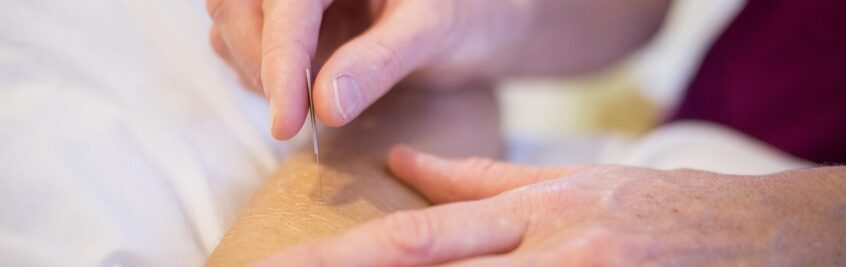
Acupuncture for Bedwetting (Nocturnal Enuresis) in Children and Teens at Meiri Chiropractic
Tuina (accupressure) vs. non-Tuina traditional Chinese medicine (TCM) treatments for young children, acupuncture can help establish healthy patterns and alleviate various health issues. For example, for very young children who cannot tolerate needles, non-invasive techniques are available. For instance, acupressure and shonishin (a specialized pediatric massage) are effective choices. So for children, we can utilize non-needle treatment strategies. Some of the methods used are gentle stroking of the acupuncture channels with the hands and with “teishein” tools/balls. Children generally respond very quickly and very well to treatment. Also, they tend to need less overall visits.
West Palm Beach Chiropractor: Acupuncture Treats Bedwetting (Enuresis): Research
In research studies, acupuncture was utilized to treat the spinal micturition centers and the parasympathetic innervation to the urinary tract. Furthermore, acupuncture treatment released enkephalins and endogenous (body’s natural) opioids. And this increased in both body plasma (fluids) and the central nervous system. This was able to depress bladder contractions. In summary, the results suggested that acupuncture therapy was a viable natural solution in treating nocturnal enuresis without the adverse side effects of pharmacological therapy.
West Palm Beach Chiropractor: Acupuncture Treats Bedwetting (Enuresis): More Research
In research studies, it was found the therapeutic effects of acupuncture can be achieved through the suppression of spinal and supraspinal reflexes that may not be functioning appropriately. A spinal reflex is an automatic response to a sensory stimulus that is coordinated mainly by circuits within the spinal cord, without requiring conscious input from the brain. In contrast, a supraspinal reflex is a reflex response where the neural pathway travels from the sensory receptor up into the brain or brainstem (supraspinal level) before a motor signal is sent back to the muscles. This differs from a standard spinal reflex. A standard spinal reflex processes entirely within the local segments of the spinal cord. This spinal reflex mechanism allows protective actions, such as withdrawing from a sharp object, to happen quickly. In contrast, a Pupillary response is a supraspinal reflex where the brainstem takes part and takes longer to process.
So Voluntary control of micturition (urination) requires the following and is a supraspinal reflex:
1) Conscious awareness of bladder sensation
2) Assessment of environment to decide (e.g. is it safe and appropriate to urinate?)
3) Release of the bulbospinal reflex micturition reflex. Bulbospinal tracts are descending pathways originating in the brainstem that influence spinal networks.
4) Adequate sensorimotor function to relax the (EUS) External Urethral Sphincter and pelvic floor muscles.
And acupuncture increased maximum bladder capacity and normalized detrusor muscle activity in the studies. These functional changes might contribute to the improvement of nocturnal enuresis.
West Palm Beach Chiropractor: Acupuncture Treats Bedwetting (Enuresis)
Acupuncture has been used for over 4000 years to treat pain and other health problems. Acupuncture effects what the ancient chinese practitioners called Meridians (energy channels) in your body under the skin. Traditional acupuncture is based on the belief that an energy, or “life force”, flows through the body in these channels called meridians.
Today, Researchers believe when an acupuncture needle is inserted, nerves are stimulated. This sends a message to your brain and nervous system. Ultimately, Acupuncture improves blood flow and calms the nervous system. This triggers nerve signaling that affects the function of other parts of the body, including organs.
Dr. Natalie Meiri is a chiropractic physician, board certified in acupuncture with over 20 years of experience. Call 561-253-8984 today! Ask to make an appointment or find out more about: Chiropractor West Palm Beach: Acupuncture Treats Bedwetting (Enuresis).
References:
https://www.who.int/publications/i/item/978-92-4-001688-0
Efficacy of Acupuncture in Children with Nocturnal Enuresis: A Systematic Review and Meta-Analysis of Randomized Controlled Trials
https://pmc.ncbi.nlm.nih.gov/articles/PMC4488007/
Acupuncture as a treatment for nocturnal enuresis
https://www.sciencedirect.com/science/article/abs/pii/S1566070210001347
Tuina for Enuresis in Children: A Systematic Review and Meta-Analysis of Randomized Controlled Trials
https://www.frontiersin.org/journals/public-health/articles/10.3389/fpubh.2022.821781/full