In today’s modern world, we have more pollution and stress in our lives.  Your body systems can become overburdened and strained from the by products and toxins of pollution. And this can lead to health problems. Moreover, illnesses such as fibromyalgia, migraine, chronic fatigue, irritable bowel, and even arthritis can be better managed with detoxification.

Some examples of toxins are:

Anti-nutrients are natural or synthetic compounds that interfere with the absorption of nutrients. For instance it could be high-fructose corn syrup, trans-fats, excess caffeine/alcohol, and processed foods.

Internal (inside your body) metabolic toxins:  nitrogen, carbon dioxide, free radicals, stool and urea (substance formed by the breakdown of protein in the liver and the kidneys filter urea).

Medications (conventional drugs) used improperly, inappropriately, or too often.

Heavy metals such as mercury, arsenic, lead, cadmium, tin, and aluminum.

Chemicals such as pesticides, herbicides, cleaning products, solvents, and glues.

Allergens such as certain food, mold, dust, pollen, and chemicals.

Infectious organisms such as bacteria, viruses, yeast, and parasites.

Furthermore, there are social, emotional, and spiritual situations that affect your well being as well:

Stress, such as lack of personal time, too much work, excessive worry, and too little rest.

Unhealthy mental states, such as addictions and overeating

Over stimulation from advertisements, radio, computers, television, smart phones.

Lack of spiritual connection, a loss of purpose or the lack of social/community.

Nature deprivation, being disconnected from natural environments.

 

So What is Detoxification (Elimination)?

Detoxification is the process of removing toxic substances or qualities. You can do this by enhancing the eliminative body functions.  Elimination is important in order to remove the physiologic stress of accumulated metabolic waste products and environmental irritants.  Organs of detoxification include the colon, liver, kidney, skin and lungs.

 Colon (large intestine)

The colon processes food, with the help of healthy bacteria, that was not digested by the small intestine. You can improve digestion to decrease delivery of undigested food to the colon by increasing dietary fiber.  This will increase the speed of time for passage of food.  Additionally, restoring the normal flora with acidophilic cultures (e.g. probiotics) will help.

Liver

The liver is responsible for an array of functions that help support metabolism, immunity, digestion, detoxification, and vitamin storage among other functions.  To help the liver, you should have a diet low in fat, refined sugar and highly processed foods, minimal intake of alcohol, drugs, food additives and chemicals.  Furthermore, to have optimal function, you should take all the essential vitamins and minerals. Also, lipotropics (combination of amino acids, vitamins, and minerals that help metabolize fat in the body) should be considered.

Kidneys

The kidneys are a pair of organs in the abdomen. It removes waste and extra water from the blood (as urine) and help keep chemicals (such as sodium, potassium, and calcium) balanced in the body. The kidneys also make hormones that help control blood pressure and stimulate bone marrow to make red blood cells.  You can help your kidneys with a diet low in salt and moderate in protein as well as a minimal intake of drugs, food additives and chemicals.  Drink 2 (8 glasses)  quarts of plain water per day to maintain normal specific gravity (your kidneys’ ability to balance water content and excrete waste).

Skin

Your skin protects your body from germs and regulates body temperature. One of the most effective ways to detox your body naturally is through perspiring. When sweating, your body is flushing out toxins.  By maintaining freely open skin pores with regular washing with mild abrasive rubs you are detoxing. So exercise regularly as tolerated to perspire.  And steam baths or suanas are also excellent ways to detox.

Lungs

Your lungs are part of the respiratory system, a group of organs and tissues that work together to help you breathe.  It transports oxygen and removes extra carbon dioxide.  You can increase the exchange of volatile substances with regular aerobic exercise to tolerance.  Yoga and deep breathing exercises also help.

Mind Body Connection

The mind-body connection is important. Stress is probably the most significant toxin confronting you on a daily and long-term basis. Illnesses such as fibromyalgia, migraine, chronic fatigue, irritable bowel and others can affect you more when you are stressed.

Therefore, your mind needs to detox. Here are some suggestions:  journaling, spend more time in nature and with positive people and family, meditate, take a day off if you are working too much.  Read books on being a grounded, happy and peaceful person. 
 

How can Chiropractic Help?

At Meiri Chiropractic we use natural healing solutions and guide you to develop a program to manage your toxin levels unique to your life situation.  These various natural strategies include chiropractic manipulative therapy/ adjustments, soft tissue techniques and homeopathic remedies. In addition, you will be given exercise and diet recommendations and important pointers on how to be healthier. 

According to the National Board of Chiropractic Examiners’ (Nabco’s) Practice Analysis of Chiropractic 2015 “Chiropractic is based on the premise that the body is able to achieve and maintain health through its own natural recuperative powers, provided it has a properly functioning nervous system and receives the necessary health maintenance components. These components include adequate nutrition, water, rest exercise and clean air”.

Your chiropractor in West Palm Beach will adjust your spine to improve the relationship between the spine and nervous system. This affects the function of all the organs and systems in your body including your various detoxification systems.  Learning and implementing a lifestyle for good health and self enhancement prevents future suffering.  In this regard, we may give take home exercises, recommend ergonomic changes and nutritional changes.  Call 561-253-8984 to find out more about Chiropractic and Detoxification for Healing or to schedule an appointment.



 Why do we feel pain and how can chiropractic help?

Your sensory nervous system is what lets you feel pain. Simply put, Chiropractic helps by normalizing function and changing the way your brain processes the pain message.


Your Sensory Nervous System

Your sensory nervous system includes your neurons or nerve cells. Neurons are specialized cells that conduct electrical impulses.  Neurons have a cell body, axons and dendrites.  Axons are nerve fibers which are message sending projections. Dendrites (free nerve endings) are sensory receptors or message receiving projections.   For example, sensory receptors occur in specialized organs such as the eyes, ears, nose, and mouth, back as well as internal organs.


The Message of Pain

The types of sensations that are generally  relayed are: 1) pain and temperature 2) touch 3) proprioception (your sense of self movement and position)  and vibration. 


First, dendrites or free nerve endings are the primary receptors for pain and temperature. The signal is then carried to the nerve cell body in the dorsal root ganglion (sensory cell bodies ) of the spinal nerve.


Second, fibers leaving the dorsal root ganglion enter the spinal cord by accessing Lissauer’s tract. Tracts are neural pathways that are located in the brain and spinal cord. Lissauer’s tract is in the white matter tract in the spinal cordAxons in Lissauer’s tract run up and down for one or two spinal cord segments before they penetrate the gray matter of the spinal cord.  So Gray matter largely functions to receive information and regulate outgoing information, as it contains the cell bodies of neurons. White matter, which is largely composed of axons, serves to transmit signals to other regions of the brain, spinal cord, and body.


Third, the pain message synapses (connects) in the substantia gelatinosa /ventral white commissure which is in the center of the spinal cord.  Subsequently, the message ascends (goes up) on the contralateral (opposite) side of the spinothalamic tract in the spinal cord. 


Fourth, it ascends to your thalamus in the brain. Finally, it continues to the somatic sensory area of your cortex (brain).


The Somatic Sensory Area of the Brain

The somatic sensory region of the brain is responsible for receiving and processing sensory information from across the body, such as touch, temperature, and pain.  Once it has reached this part of your brain you are aware of neck, back or limb pain.

In summary, the brain and spinal cord receive messages/impulses from your sensory nerves. Then the brain sends out patterns of signals to the muscles controlling your arms, legs, and spinal movements in response. For example, if you touch a hot stove, the nerves in your skin shoot a message of pain to your brain. The brain then sends a message back telling the muscles in your hand to pull away. This all happens in an instant.


Chronic Pain

Pain that goes away once the injury has healed and is short-term is acute pain. However, sometimes, those nociceptors (pain receptors) continue to fire.  Usually this is due to either a condition that’s causing damage to your tissues or other conditions like arthritis, neuropathy or fibromyalgia. Long-term pain is chronic pain.

For example, if your joint is injured or diseased it causes signals of pain to go back and forth to the brain with little pause.   Furthermore, chronic pain can change the way your brain processes pain, laying down different pain pathways. In other words, patients who suffer from chronic pain may actually have their brains altered by the constant pain to be more sensitive to pain and feel it much more intensely than most.  Chronic pain usually requires a long-term treatment plan. The regulation of the pain experience has to be changed and new pathways need to be laid down.   Chiropractic adjustments to the spine and extremities help in opening up and normalizing the neural pathways.


Theories about Chiropractic Care for Pain Relief

Firstly, of course chiropractic care influences the biomechanical movement patterns of the spine and extremities (limbs) and improves proprioception. It is also becoming clear that chiropractors impact brain function consistently. Additionally, studies are showing chiropractic directly impacts the so called abnormal ‘pain pathways’ in the brain and thus has an effect on a person’s perception of pain.

Secondly, chiropractic adjustments stimulate the dysfunctional tissues around your joints.  This stimulation regulates central processing and alters the perception of pain cortically (at the brain) in a ‘top-down’ manner or both..

Thirdly, a majority of the studies have shown neuroplastic effects following a chiropractic treatment.  Neural plasticity or brain plasticity, is a process that involves adaptive structural and functional changes to the brain. Moreover, the changes seen in the studies were in somatosensory (sensory system concerned with perception of touch, pressure, pain, temperature) processing, motor control and functional performance.

Fourthly, alternatively, chiropractic spinal adjustments may also alter pain perception via the neuroendocrine (nerve and hormonal) system.


Why Do We Feel Pain and How Can Chiropractic Help?

Pain is not always bad. Pain alerts you to move your hand off the hot stove.  However, chronic pain can be debilitating which is why so many people turn to pain killers to manage the pain. But it doesn’t have to be that way.

Chiropractic is for people who want to move, perform better in life and be pain free.   Chiropractic is an all-natural, drug free, nonsurgical option to help people who suffer with musculoskeletal pain, both acute and chronic.

Meiri Chiropractic serving West Palm Beach, Jupiter, North Palm Beach, and Palm Beach Gardens offers chiropractic treatment for acute and chronic pain. Do you want to be pain free? Call 561-253-8984 today to schedule an appointment.


Seeing a chiropractor can be a necessary part of a healthy lifestyle. A chiropractic adjustment can alleviate pain and improve function which drastically improves your quality of life. Perhaps there is something you are not doing in life due to your pain? If you feel better and your body is in balance you are more likely to choose better food and activities. Moreover, chronic pain can lead to addiction to pain medications which may have many side effects, one being weight gain. And as stated above, if you are out of pain you’re more likely to exercise. Also, your stress level will decrease with an adjustment.  So with the stress down, you are less likely to binge on sugary foods. Read on about chiropractic in West Palm Beach and Weight Loss.

What causes weight gain?

Firstly, the most common cause of weight gain is an increase in caloric intake or a decrease in energy expenditure.  Secondly, changes in weight are common within a few pounds and generally reflect fluid retention and loss. Thirdly, cyclic fluctuations can occur commonly in women in relation to menstruation.

Fourthly, about 10% of obese patients have an underlying neurologic, endocrine, or genetic cause. So hypothyroidism may account for small increases in weight due to a slowed metabolic rate. Fifthly, familial obesity and low resting metabolic rates are uncommon. So the good news is, you or your loved one can do something about gaining weight.


Being obese carries some increased risk in several areas of health 

Mortality rates are higher for obese patients compared with normal-weight individuals. The risk of death was higher from all causes including cardiovascular disease, cancer, and other diseases if you are obese such as:

-3 to 10 times more likely to develop adult-onset diabetes (insulin resistance increases with weight gain).

-Higher incidence of cardiovascular disease, hypertension, dyslipidemia (imbalance of lipids), and stroke.

-More likely to have sleep apnea or hypersomnolence syndrome (medical conditions in which you repeatedly feel excessively tired during the day called excessive daytime sleepiness) or sleep longer than usual at night. It is different from feeling tired due to lack of or interrupted sleep at night. Hypersomnolence carries with it the risk of arrhythmias, hypoxemia (oxygen levels in the blood are low), or pulmonary hypertension (high blood pressure effecting lungs).

-More likely to have degenerative joint disease if you are obese, especially in the hips and knees. It is also a risk factor for low back pain.

-Increased risk for cholelithiasis (reduced bile flow), thromboembolism (blood clot), and varicose veins.


Weight loss

Indeed there are many centers that specialize in weight loss. These centers do not focus on diet alone, but address issues of mental attitude, motivation, and exercise. Quick fixes with diet drinks or fad diets are not effective. Statistically, most people who diet eventually gain back weight in about a year or two.

Combining a regimen of decreased caloric intake with a couple of hours of physical activity each week will result in weight loss. You and your partner or friend can accomplish regular exercise such as brisk walking. This reduces body weight and body fat in overweight and postmenopausal women. More importantly, you will be healthier.


Studies

In a study of over 73,000 women ages 50 to 79, those who walked or were engaged in vigorous exercise 2.5 hours a week reduced the risk for cardiovascular events by about 30%. Next, researchers in the Health Professionals Follow-Up Study assessed 44,000 men over 12 years for exercise activity and levels of activity. The findings were men with the greatest activity had a 30% decreased risk over sedentary males for cardiovascular risk.


Weight Gain in Women

Weight gain in women has been associated with a decrease in physical activity and increased levels of pain. So pain may act as a deterrent to exercise.  Sadly, weight loss has been shown to decrease body pain.

Ultimately, the solution to permanent weight loss is total management of a sensible exercise routine coupled with a sensible diet.


Some Possible Weight loss Diets

The following diets are good because they are more of a “lifestyle change” instead of a “quick fix”.

South beach diet:

A MD-developed program that has three phases. The first phase is two weeks long and focuses on normal-sized helpings of lean meats (eg., chicken, turkey, fish, and shellfish) and vegetables. Carbohydrates are restricted based on their glycemic index, so that the first two weeks eliminates alcohol, fruit, bread, rice, potatoes, pasta, baked goods, sugar,and pastries. Wine, fruits,and whole grains are phased in during the later two phases. Although considered a low-carb, low-fat diet, it is more about “good carbs” versus no carbs based on their glycemic index. The south beach diet has several cook books out even for the holidays and special occasions!


Weight watchers

Weight loss is based on a point system for calorie restriction. Foods can be chosen within the point system restrictions. Prepackaged foods are available. Generally, a healthy diet approach. This diet is a very low caloric diet (800- 1200 calories) based approach. There is also an emphasis on weekly support meetings that encourage healthy lifestyle choices and make use of weekly weight loss and associated peer pressure/support.  Some patients have mentioned meeting a friend at these meetings!


Pritikin

A low-fat diet, the Pritikin diet focuses on unprocessed fruits and vegetables, lean animal foods,and non-fat dairy products. Calorie intake is based on “calorie density,”which is the amount of calories per pound, with a restriction to foods that contain 400 calories or less per pound. A generally healthy diet.


Meiri Chiropractic in West Palm Beach and Weight Loss

Overall, it’s best to think of visits to the chiropractor as one part of an overall healthy lifestyle. If you’re looking to lose weight, you’ll have to incorporate other parts of that healthy lifestyle.  For instance, a balanced diet and regular exercise is crucial. Get out of pain fast and start moving with chiropractic care.  Get healthier!  Don’t you think you deserve it? Call 561-253-8984 today to make an appointment or to find out more about Chiropractic in West Palm Beach and Weight Loss.


Approximately 80% of adults will have low back pain at some time in their lives. Furthermore, it appears that adolescents with low back pain are more likely to have problems as adults. Above all, chiropractic treatment is a valuable treatment associated with clinical improvement for acute and chronic low back pain for all ages (infants to seniors). 

Read on to learn about 3 Causes of Low Back Pain a Chiropractor Can Help With.


  1.  Sacroiliac Sprain

The sacroiliac joint is located in the pelvis. You have 2 sacroiliac joints (left and right). It links the iliac bones (pelvis) to the sacrum (lowest part of the spine above the tailbone).

A sprain is an injury (micro tears) to the ligaments around a joint. Ligaments are strong, flexible fibers that hold bones together. With a sacroiliac sprain, you may have pain over the joint(s). The pain is often sharp and stabbing and may radiate down the back of the leg. You may have relief somewhat by sitting or lying.

Importantly, adjusting (chiropractic manipulative therapy) of the sacroiliac joints should be performed gently, to avoid increased stretch to the sacroiliac ligaments.


Cause

Certainly, the sacroiliac ligamentous support of the sacroiliac joint is strong.  Nevertheless, injury can occur from prolonged or sudden lifting of an object or bending.

An evaluation for seronegative arthritides (i.e., ankylosing spondylitis or psoriatic) may be done in case of an underlying complication in unremitting or recurring cases. For instance, elbow or scalp skin lesions (e.g. dry itchy rash) suggests psoriatic arthritis. X-rays may help with the diagnosis.


  1. Sacroiliac Subluxation


So in the chiropractic office, we see many sacroiliac joint subluxations (chiropractic joint misaligments/intersegmental dysfunctions) in addition to sprains. Subsequently, sacroiliac dysfunction probably accounts for almost half the cases of low back pain. With a sacroiliac subluxation, the pain is often sharp and stabbing.

Cause

Firstly, as a sacroiliac sprain, prolonged or sudden lifting or bending may also cause a sacroiliac subluxation.  It may also be due to incorrect ergonomics/posture.

Secondly, sacroiliac joint innervation (supply with nerves) is from a broad area including both sacral levels S1-S2 (between low back and tailbone) and lumbar levels L1-L3 (low back) plexuses (network of nerves). This may explain the varied pain patterns with sacroiliac joint involvement. The varied pain patterns can be low back, buttock, lower extremity (leg) and groin pain.

Thirdly, the chiropractic subluxation presents with reduced joint motion and alignment which is corrected by the chiropractic adjustment. Spinal or extremity (arms and legs) joint dysfunction/ subluxation (chiropractic subluxation complex), can adversely affect nerve function, and the body’s ability to regulate and maintain health. Chiropractic adjustments address disturbed joint biomechanics and the associated effects on nervous system function.

Lastly, both sacroiliac sprains and sacroiliac joint dysfunction/pain affect the majority of adult patient population. However, there are some peaks of increased occurrence in younger adults following sporting injury, pregnancy and older adults from degeneration. 


  1. Piriformis Syndrome


The piriformis is a flat, pear-shaped muscle located in the gluteal (buttock) region of the hip/proximal thigh. You will have buttock and posterior (back of ) leg pain without any trauma.

Cause

The sciatic nerve runs under the piriformis muscle where it may be compressed (pinched) by the piriformis muscle. As the biggest nerve in your body, it originates from several nerves in your lower back. These nerves branch outward from the spine and then come together at each buttock to form the sciatic nerve, which then travels down each leg.

Predisposition to piriformis syndrome may be due to an anatomically short leg (one leg is structurally shorter than the other due to bone length differences).  Other reasons could be due to excessive pronation (inward rotation of foot) of your foot or a pelvic rotation/misalignment.

Postisometric relaxation techniques or myofascial release soft tissue techniques to the piriformis muscle is important along with the chiropractic manipulative therapy for treatment of piriformis syndrome.

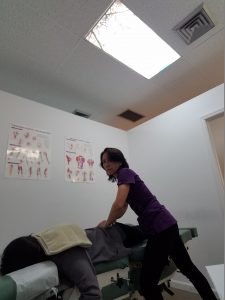
Dr. Meiri adjusts the spine


At Meiri Chiropractic, we spend the time necessary to examine, diagnose and treat every neuromusculoskeletal condition and various ailments you have. Chiropractic is a holistic and natural way to not only treat low back pain, but to keep your body in its best working condition. We have been offering effective chiropractic care in Palm Beach County since 2006. Many of our patients reviews note our excellence. We are your best bet and are here for you. Call us today at 561-253-8984 to make an appointment or to find out more about 3 Causes of Low Back Pain a Chiropractor Can Help With.


References:

Thomas Souza,  (2018) Differential Diagnosis and Management for the Chiropractor


This post is about 4 Causes of Elbow Pain a Chiropractor Can Help With. As the link between the shoulder and the wrist/hand, your elbows are challenged with repetitive activities. These overuse mechanisms account for the majority of elbow pain. In particular for instance in throwing sports and in activities requiring the use of an arm extension device such as a bat, racquet, or club. So the pivot is at the elbow and your forearm acts as the lever arm. These devices increase the medial (toward the center) stress across the elbow by increasing the length of the lever arm.


Additionally, you may also have a fall.  And as with the rest of the upper extremity (arm), the elbow becomes weight bearing during the fall.  An axial (racquet) force (load is applied to the structure along the length) is applied acutely during this fall to your elbow. Furthermore, this can happen chronically with gymnastic maneuvers and even with some chiropractors due to adjusting maneuvers!


1. Lateral Epicondylitis (Tennis Elbow)

Lateral epicondylitis causes lateral (outer or same side as thumb) elbow pain associated with a repetitive sport or occupational activity. Repetitive movements requiring forceful wrist extension (movement of raising the back of the hand), radial deviation (bending the wrist to the thumb), and supination (rotation of the forearm) are the most common causes. Although it is associated with tennis, other sports and occupational activities are also possible causes. Butchers, plumbers, and weavers are examples of those who may be affected. With tennis, novice players with poor backhand technique account for many cases. With professional players, the forehand or serving may be the cause. Obviously, the more frequently an individual plays, the higher the risk of developing tennis elbow. Although, lateral epicondylitis is called tennis elbow, it also occurs in computer keyboardists, carpenters, and golfers.

Cause:

The currently accepted theory is that initially there is tearing of the extensor carpi radialis brevis (ECRB) muscle origin (attachment). This process may extend to the extensor digitorum communis (EDC) or the extensor carpi radialis longus (ECRL) muscles. These muscles in conjunction with the other muscles and tendons in your forearm help move your wrist and hand. The histologic (seen by microscope) description of the change in tissue is called angiofibroblastic hyperplasia. Angiofibroblastic hyperplasia or angiofibroblastic tendinosis describes the pathologic (disease cause) alterations seen in the tissue of tendonitis (inflammation of tendon).

Radiographs (xrays) may demonstrate calcification in as many as 25% of patients with lateral epicondylitis.


2. Medial Epicondylitis (Golfer’s Elbow)

Medial Epicondylitis causes medial (inner) elbow pain following a repetitive activity such as golfing, hammering or use of a screwdriver. In athletes, the inciting activity usually involves wrist flexion (moving wrist down so palm faces arm) and pronation (rotatory movement of elbow where palm faces down). Examples of these include in serving and overhead and forehand strokes in various sports. Obviously, golfing (“golfer’s elbow”) or throwing may also cause symptoms. You may also feel pain or weakness on gripping.

Cause:

Medial epicondylitis is a tendinopathy of the origin of the wrist flexors and pronator teres muscles in your forearm. In chronic cases, an elbow flexion contracture may occur, leading to restrictions of movement (eg. extension). An ulnar neuropathy (compression of ulnar nerve at elbow) may coexist with medial epicondylitis. Radiographs (xrays) may reveal calcifications in close proximity to the medial epicondyle in 20% to 30% of patients with epicondylitis.


3. Triceps Tendinitis (Posterior Tennis Elbow)

The triceps is a large muscle on the back of your upper limb. Triceps tendinitis causes pain at the tip of the elbow after a repetitive extension activity or a single event involving forceful elbow extension.

Cause:

Strain of the triceps insertion on the olecranon (bony prominence of the elbow) is usually due to common athletic endeavors performed by boxers, weight lifters, pitchers, and occasionally tennis players.


4. Posterior Impingement Syndrome

Posterior Impingement Syndrome usually occurs in an athlete and especially on quick extension of the elbow.  You will have a sharp posterior (back of) elbow pain. Similarly, popping or clicking may occur with extension.  Your elbow may occasionally lock.

Cause:

Firstly, repetitive extension leads to compression between the olecranon trochlea and olecranon fossa (1 of 3 joints of elbow). Secondly, this may simply cause a reactive synovitis. So the synovium is connective tissue that lines the inside of the joint capsule. Thirdly, synovitis  (synovial inflammation) is when the synovium of a joint becomes inflamed (swollen). Lastly, it may progress to degeneration and the production of osteophytes (bone spurs) or loose bodies.

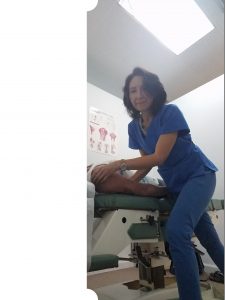
Dr. Meiri adjusts the elbow

Elbow Pain Treatment at Meiri Chiropractic in West Palm Beach


In the acute phase, ice and rest from the causative activity are essential. Myofascial release techniques are effective. Furthermore, Chiropractic adjustments, manipulation, and mobilization to the elbow and associated areas give relief.


A recently published study compared manipulation of the wrist with a second protocol of ultrasound, friction massage, and muscle stretching and strengthening for the management of lateral epicondylitis. Success was better for chiropractic manipulation of the wrist compared to the traditional physical therapy of ultrasound, massage, and muscle stretching/strengthening approach.


Getting regular chiropractic care from a West Palm Beach elbow pain chiropractor can help relieve pain naturally from an already existing injury, or even offer injury prevention. Chiropractic is a holistic and natural way to not only treat existing injuries, but to keep your body in its best working condition.


Contact Meiri Chiropractic today on the 4 causes of elbow pain a chiropractor can help with or/and other ailments.


References:

Thomas Bergman, David Peterson, Chiropractic Technique Principles and Procedures, 3rd edition, 2011


        Video on same post


Meiri Chiropractic

561-253-8984


If you have neck pain due to your cervical facet joints, chiropractic care can help you! We’ve got some great information to share below.

What is a cervical facet joint?

The facet joints are on either side of the back of each vertebra in the cervical part of the spine (neck). The vertebral bodies make up the bony building blocks of the spinal column. There are two facet joints at each level of the vertebral column (spinal column). Facet joints provide stability to the spinal column while allowing movement. Encased with capsules the synovial fluid within protects and lubricates the facet joints.

Symptoms of a Facet Joint(s) /Referral Pain

You will often report a minor (e.g., sudden turning of the head) to moderate to severe (e.g. fall) traumatic onset of neck and arm pain. In addition, your neck pain may have an onset that is insidious (came on gradually) with no recent trauma. You may have pain down your outer arm to the hand. The arm and hand pain do not often fit a specific dermatome.  The dermatome refers to a focused area of skin that is mainly supplied by a single spinal nerve.  In contrast, facet joint referral will be diffuse pain.

Causes of Facet Joint /Referral Pain in the neck

So irritation of the facet joints is the cause. The facet joints become inflamed and may cause pain, soreness and stiffness. The most common location of referral pain is down the outer arm to the hand. This location often implicates segmentally related facet joints of C5-C7 vertebrae. Similarly, your deep cervical (neck) muscles may also be spasmed and be a contributing factor.


Firstly, when arm complaints accompany neck pain, it is essential to make the determination of whether nerve root irritation or a referred phenomenon from the facet joints and muscles is the source. For instance, upon examination, you may demonstrate no objectifiable neurologic deficit or findings in the arm(s). Nevertheless, numbness/tingling or weakness maybe part of your complaint.


Secondly, neck and arm complaints also require a consideration of the  brachial plexus (network of nerves in the shoulder) or peripheral nerve (nerves residing outside your brain and spinal cord) involvement.  Therefore, a thorough evaluation is important to come up with an accurate diagnosis.

Your West Palm Beach Chiropractor will perform a thorough examination of the neck and upper extremity (arms and hands). Additionally, radiographic (x-ray) evaluation may be performed at our office to detect any foraminal encroachment (nerve root impingement seen on x-ray) to rule this out.


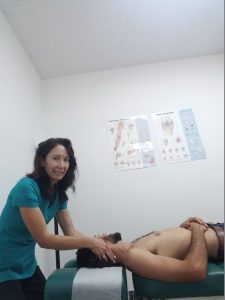
Dr. Natalie Meiri adjusts a patient

If you have Neck and Arm Pain Due to Facet Joint Referral and Chiropractic Care is your choice, we can help you!

Whether the complaint is local to the neck or referred to the arm, many studies (1) state that facet joint pain accounts for many of these patient’s conditions. With facet joint pain, many patients obtain relief from chiropractic treatment/ procedures.

Dr. Natalie Meiri will examine you and come up with a treatment plan to get you better! For neck pain due to facet Joint referral chiropractic adjustments of the neck is the treatment of choice.

Our other therapies, such as soft tissue techniques, therapeutic exercise, electric muscle stimulation, ice/ heat therapies and homeopathic consultations, will also provide relief. Through regular chiropractic visits, you can get pain relief and improve your health without drugs or surgery.

Call our office which serves North Palm Beach, Jupiter, Palm Beach Gardens and West Palm Beach at 561-253-8984 to make an appointment or to find out more on Neck and Arm Pain Due to Facet Joint Referral and Chiropractic Care.


References

1) Bogduk N. The anatomical basis for spinal pain syndromes.

Conference proceedings of the Chiropractic Centennial

Foundation. Presented at the Chiropractic Centennial;

July 6-8,1995; Washington, DC.


From Dr. Natalie Meiri’s Clinical Pearl Stories:

What To Do After A Car Accident

Author: Natalie Meiri, D.C.        Posted: 10/18/2021


This was a 47 year old mother and her 13 year old daughter with chief complaints of neck, back and extremity (arms and legs) injuries.  They presented to my office 1 day after sustaining injuries from a car accident. Their car was hit on the highway and ended up rolling down a hill.  To be HIPAA compliant, I will call the mother Sun and the daughter Yang instead of their real names.  Sun was a long time patient of my office and knew the benefits of chiropractic.  She knew What to do after a car accident!  Sun knew chiropractic physicians examined, diagnosed and treated neuromusculoskeletal conditions. Moreover chiropractic care after a car accident can get you out of pain naturally.  After all, pain medications can be harmful and addictive.

Examination and X-rays

Upon examination, I found positive tests for a sprain diagnosis for all Sun’s injuries (neck, back and right shoulder).  Similarly, upon examination, Yang also had a sprain diagnosis for all her injuries (neck, back and left foot). They had suffered a whiplash injury (injury due to forceful, rapid back-and-forth movement). Sun had bruising from the seat belt across her abdomen and had twisted her right shoulder. Yang had similar injuries from the seat belt, but had somehow twisted her left foot. 

The x-rays taken in my office showed mild osteoarthritis in Sun’s right shoulder, cervical (neck), thoracic (mid back) and lumbar (low back) spine. This is the “wear and tear” type of arthritis. However, Sun’s sprains from the car accident was her diagnoses for the auto injury.  The osteoarthritis was solely a finding on the imaging.  Furthermore, an important finding on Sun’s cervical (neck) x-rays were the instability in her neck shown on the lateral (side view) stress views.  One of her vertebrae in her neck had ligamentous instability (stretched or tiny torn soft tissues, but not ruptured) from this accident.

Both Yang and Sun had decreased cervical lordosis (decreased normal curve in the neck) consistent with cervical myospasm (muscle spasm) on their cervical x-ray. The foot x-ray of Yang’s left foot ruled out a fracture.  I would order an MRI (magnetic resonance imaging) if there was no improvement after 12 visits.

Chiropractic Treatment

Starting at 3 times a week, it took many months of care. Firstly, treatments included  chiropractic adjustments/ manipulation.  Secondly, soft tissue therapy (myofascial release, pressure point and various post isometric relaxation procedures).  Thirdly, modalities (cold/heat therapy and electric muscle stimulation) were administered as needed. Finally, therapeutic exercises to continue treatment at home were given.

Both Sun and Yang started to feel better from the first week of treatment.  After months of treatment, their conditions were stable and they were both back to their normal daily activities.

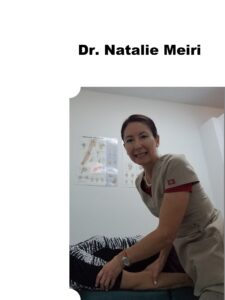
Dr. Natalie Meiri

What are some auto accident injury symptoms?

  • Neck pain from whiplash. The pain can range from mild to severe. It might be  in one spot, a general area, or radiate down the shoulder into the arm and/or hand. This can be caused by ligament sprains or muscle strains, but also by injuries to discs, nerves, joints, and/or bones.
  • Neck stiffness or reduced range of motion. Reduced neck mobility could be from pain, irritation of the cervical facet joints, or spasm of the cervical muscles.
  • Headache. This could be from neck muscle tightening/spasm.  Also, a nerve or joint irritation of the spine could cause headaches.
  • Neck instability. This whiplash symptom commonly results from stretched or torn soft tissues, such as ligaments. Although, it could also be caused by a fracture.
  • Back and extremity (arms and legs) pain. Your back can also suffer whiplash (acceleration/deceleration injuries) during an auto accident. Subsequently, your back can refer pain to other soft tissues in the upper back and shoulders or legs. Of course, you can also separately sprain or strain your extremity as well during the collision. 
Patients respond well to chiropractic care after whiplash.

For some people, whiplash symptoms can be minor. For others, the symptoms can become varied and chronic, ranging from severe pain to cognitive and emotional problems.  Some patients often complain of other symptoms and signs such as blackouts, visual disturbances, nausea and vomiting, and chest pain.  Also, a nondermatomal pattern (a large area of sensory finding) of pain and deficit is common.

Sometimes whiplash symptoms persist or get worse with time. Whiplash symptoms might manifest immediately following the acceleration-deceleration accident, or they can take a few hours or days to appear.

Even low-speed rear impact injury crashes (LOSRIC) account for as much as 80% of rear impact collisions. The range of speed in these types of crashes are between 6 and 12 mph.

Results from a study showed an association between a history of neck injury in a motor vehicle accident and chronic headaches, disabling neck pain, and a perception of  lower general health compared to those with no history of neck injury. This is why it is so important to get care right away as Sun and Yang did.

The good news is, recent encouraging research indicates that patients with symptoms of whiplash injury respond well to chiropractic care!

Meiri Chiropractic, the Best Chiropractic Care Center in West Palm Beach, offers chiropractic treatment for car accident injuries and other ailments. What to do after a car accident? Call 561-253-8984 to schedule an appointment!


Vlog of above blog


There are some injuries female athletes tend to have more than male athletes. This is true in many sports including running, soccer, rugby, basketball, bodybuilding, bowling, swimming, volley ball and golf injuries. There are many theories as to why this increase seems out of proportion to similar injury patterns in males. Some of the most obvious have to do with gender specific training. Other factors relate to the anatomic and physiologic differences between males and females. These observations started an interest in gender specific research. There are unique biomechanical, anatomic and hormonal factors that predispose skeletally mature female athletes to certain injuries. The Female Athlete and the Sports Injury Chiropractor is about what these female athlete injuries are and how a chiropractic clinic can help.

Anatomy & Physiology

Firstly, prior to puberty, the differences between males and females are insignificant. Secondly, girls reach puberty earlier than boys.  And then there is a small time frame in which girls mature quicker, have greater coordination, and, in many cases, are taller than the boys. So prepubescent males and females are equal in body fat composition. Thirdly, the male body fat decreases 11% on average through adolescence. Females increase body fat on average 25% during this same period. Finally, post puberty, there are some recognized differences between males and females.

The fact is, the average female is two thirds as strong as the average male.  Upper body strength is only 30% to 50% and lower extremity strength 70% that of the same size male. In some studies the body mass (BMI is the measure of body fat based on height and weight) and relative strength (the amount of strength to body size) were considered. In conclusion, in relative strength, the female still has less of the male’s upper body strength, but is almost equal in lower body strength.

Statistically, there are no objectifiable differences between joint laxity (looseness of a limb or muscle) of females compared with males. Clinically, it has been observed that the knees and shoulders of females seem to be “looser.” Regarding the menstrual cycle, there appears to be no significant correlation between menstrual phase cycle and exercise performance. However, injury rates appear to increase in athletes with premenstrual symptoms. Furthermore, there has been an association between estrogen and possible laxity of the anterior cruciate ligament.

Female athlete injuries

Shoulder laxity:

Women who participate in upper body sports such as tennis, swimming, and volleyball should be instructed to focus on both strengthening the rotator cuff and trunk muscles.  This decreases the stress to the shoulders and possible injuries. Since women are generally weaker in upper body strength, focus on a generalized upper body-strengthening program will also be beneficial.

Knee laxity:

It has been observed that patella (knee cap) instability is more common in females. This may be due, in part, to more of a tendency toward underdevelopment of the back surface of the patella and lateral condyle of the femur (thigh bone).  Women tend to have decreased vastus medialis strength, tighter illiotibial band (ITB), or a high riding patella. This tendency, combined with a position of recurvatum (hyperextension) seen more commonly in females, may predispose toward either tracking problems or patella dislocation. Similarly, for female athletes, vastus medialis strengthening, ITB stretching, proper training shoes (e.g. for pronation), and proprioceptive( sense of self-movement) training is important.

Anterior cruciate ligament (ACL):

ACL (tissue that connects the thighbone to the shinbone, at the knee) laxity or looseness is a concern for females. Although there are many theories, the main effective strategy for decreasing injury is training. It is clear that the vast majority (80% in one study) of ACL injuries are noncontact.  And often occurring when landing from a jump. This is even more true in sports such as basketball and volleyball. One study divided these noncontact injuries into three types depending on the movement/maneuver causing it:


  1. Planting and cutting– player acts as if she is going to the right but quickly and aggressively plants the right foot. Then immediately reverses her motion and accelerates to the opposite left side.
  2. Straight leg landing– Landing with straight knees can lead to a higher rate of ACL tears.
  3. One-step landing with the knee hyperextended– when the knee is bent backward, often as a result of landing wrong after a jump.

In one study, ACL injuries were reduced among a group of women by almost 90%.  They simply modified the plant-and-cut maneuver to a three-step stop. Female athletes should jump and land in a more flexed position, avoiding extension of the knee.

Noncontact ACL injuries may be related to both genu recurvatum and hyperpronation. Genu recurvatum is hyperextension of the knee which has several causes. Muscle weakness, especially of the muscles in the top of the thigh (quadriceps), an injury, or the shape of your bones at the knee are some. Hyperpronation occurs when the ankle bone turns inward and the rest of the foot turns outward. This puts too much body weight on the inside of the foot.


adjustment of patient's shoulder

The Female Athlete and the Sports Injury Chiropractor

Whether it’s your hip, knee, shoulder, ankle or foot, a chiropractic adjustment can help.  Just as your spine/ pelvis can get out of alignment, so can your extremities.  In other words, additional joints may need chiropractic adjustments (hip joints, knee joints, ankles joints) along with the spine.  After all, Chiropractic adjustments restore joint mobility and function, resolves joint inflammation and reduces the patient’s pain.

A sports chiropractor in North Palm Beach can adjust the spine/pelvis and extremities. And the best sports chiropractor is one who has the expertise and training to work on your muscles/ soft tissue surrounding your joints using soft tissue techniques (e.g. myofascial release, Instrument assisted soft tissue mobilization-IASTM).

There are sports chiropractors who use their skills in soft tissue manipulation techniques to help optimize athletic performance and prevent injury.

Spinal and extremity adjustments along with recommendations from your chiropractor regarding stretching and strengthening exercises, nutrition, and lifestyle changes can successfully prevent a number of common, chronic and acute sports related injuries. Furthermore, besides from the female athlete performing better and reducing their injuries, regular chiropractic care will help with digestion, improve sleep, and increase energy. Regular chiropractic adjustments help avoid many of the disorders that take shape as illness.

If you are looking for a West Palm Beach sports chiropractor for women, Dr. Natalie Meiri can definitely help you. Call 561-253-8984 today.

From Dr. Natalie Meiri’s Clinical Pearl Stories:

Chiropractic Care for Neck Pain and Menopause Symptoms

Author: Natalie Meiri, D.C.        Posted: 9/25/21

This was a 52 year old female patient with a chief complaint of neck pain. To be HIPAA compliant, I will call her Tina instead of her real name. Tina had just reached menopause.  This is when her neck pain came on.  She also had headaches, hot flashes, night sweats, insomnia and increased anxiety or irritability.


Examination and x-rays

Positive tests were found for her spine during the exam. The x-rays taken in my office showed moderate osteoarthritis in her cervical (neck) spine.  This is the “wear and tear” type of arthritis when the bones rub against one another causing pain, stiffness, inflammation, disc degeneration and bone spurs (also known as osteophytes) which can “pinch” surrounding nerves.

She also had positive tests for a cervicogenic headache. A cervicogenic headache is a headache that occurs because of a physical condition and structures in the neck. By addressing the cervicogenic component of the cervicogenic/tension type to migraine “continuum of headaches” her headaches would be reduced in intensity.


Treatment: Chiropractic Care for Neck Pain and Menopause Symptoms

Firstly, Tina’s treatments included chiropractic adjustment/ manipulation to her cervical (neck) spine and associated regions.  Associated regions were thoracic (mid back), and lumbar (low back) spine. Secondly, soft tissue therapy (myofascial release, pressure point and various post isometric relaxation procedures) was rendered as necessary. Thirdly, modalities (cold/heat therapy and electric muscle stimulation) were administered. Finally, exercises for stretching, strengthening, and better posture were recommended.

Of course, because she had reached menopause, the headaches were also due to hormonal changes. She added soy products, fruits (i.e. berries), seeds (i.e. flaxseeds), and nuts to her diet. These foods have phytoestrogens or plant-based estrogens called isoflavones. These are plant chemicals capable of exerting estrogen like effects. Eating these foods in moderation along with some medicinal herbs helped to alleviate menopause symptoms for Tina. 

Additionally, I did several homeopathic consultations with Tina and prescribed a number of homeopathic medicines. Obviously, Tina was against drugs when possible and wanted to deal with this naturally.

Tina started feeling better gradually for her chief complaint of neck pain. Moreover, her  headaches disappeared.  Tina’s hot flashes and night sweats decreased.  To prevent osteoporosis due the estrogen loss in menopause, she took calcium supplements.  Tina also started a exercise regimen which included weight bearing aerobic activity.  Similarly, Tina started sleeping better due to everything she was doing.  Lastly, her irritability and anxiety went away so she was happier than she had been in a long time.


How do menopause symptoms occur?

After 12 months without menstruating, a woman is in menopause. The average age of menopause onset in the Unites States is 51.

Decreased circulating levels of estrogen with menopause appear to affect the central nervous system via the hypothalamus. The hypothalamus is a small but important area in the center of the brain between the pituitary gland and thalamus. It plays an important role in hormone production and helps to stimulate many important processes in the body. The hypothalamus controls body temperature, thirst, hunger, and other homeostatic systems.  It is also involved in sleep and emotional activity.

So 95% of perimenopausal and menopausal women experience “hot flashes”. These flushing and sweating episodes are sudden in onset and last several minutes.  A sensation of face and neck hotness extends to the front of the chest. The skin temperature may increase as much as 2-5° degrees more and may result in wetting of clothing through excess perspiration. Physiologic responses that also occur include an increase in heart rate perceived sometimes as palpitations.

Furthermore, there may be symptoms of headache, dizziness, and nausea during the episodes.  Many women have night sweats and also have difficulty falling asleep. And often awaken early without being able to fall back to sleep. Approximately 80% of women experience these episodes for more than 1 year with as many as 20% of women having symptoms for more than 5 years.


Menopause and Joint Pain

A common symptom often associated with hormonal changes is pain. More than half of women experience Arthralgia (pain in a joint) around the time of menopause. The causes of joint pain in postmenopausal women can be difficult to determine as the period of menopause coincides with a rising incidence of chronic rheumatic conditions such as osteoarthritis. Nevertheless, the prevalence of arthralgia does appear to increase in women going through menopausal transition.  Studies have shown this to result from reduction in estrogen levels. This may have to do with various interactions between sex hormones and pain processing pathways, immune cells and chondrocytes (cartilage cells).

Dr. Natalie Meiri

Given a growing concern regarding estrogen replacement therapy, a search for alternatives in the management of menopause is prevalent. Many studies have found that the use of alternative therapies for menopause symptoms is common, and women who use them generally find them to be beneficial. Chiropractic intervention in the treatment of postmenopausal climacteric symptoms especially in the area of joint pain and headaches is effective.

Meiri Chiropractic in West Palm Beach offers the best  Chiropractic Relief of Neck, Back and Menopause Symptoms.   Call us at 561-253-8984 in West Palm Beach to schedule an appointment at our chiropractic clinic and start getting the relief you need.

From Dr. Natalie Meiri’s Clinical Pearl Stories:

Neck Pain and Chiropractic Cervical Adjustments

Author: Natalie Meiri, D.C.     Posted: 9/19/21


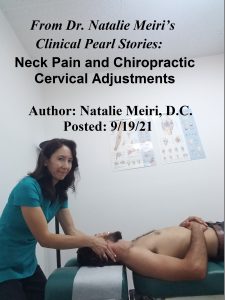
This was a 25 year old male patient with a chief complaint of neck pain. To be HIPAA compliant, I will call him Lenny instead of his real name. Lenny had 3 car accidents by the time he was 23 years old which caused his chronic neck pain. Moreover, he experienced neck and mid back pain when he moved his shoulders and arms. 

Lenny was  a very active person and even had a business where he did manual labor. He also enjoyed various sports.  He wanted to live his life pain free without having to give up his activities. 

After the automobile accidents, Lenny got some treatment at another chiropractor before coming to see me. He stated “the benefits of chiropractic were great”, but that he didn’t feel he “was ever holding his adjustments”. Lenny felt the former chiropractor was “too aggressive and every visit was the same”.  He needed “something different, more gentle, and a chiropractor who does soft tissue techniques”. Lenny came to see me because at Meiri Chiropractic, we deliver by hand, low amplitude (displacement of the joint), low intensity (low force) adjustments along with various soft tissue manipulation techniques.

Lenny’s Examination, X-rays and Treatment


The x-rays taken in my office showed findings consistent with a sprain with myospasm (muscle contraction) in his cervical (neck) and thoracic (mid back) spine. Upon examination, I found positive tests for a cervical (neck) sprain with thoracic (midback) myalgia (muscle pain) diagnoses. 

Firstly, he received chiropractic adjustments/ manipulation to his cervical (neck) and thoracic (mid back) spine and the associated regions.  Associated regions (due to misalignments) adjusted were his shoulders and lumbar spine (low back). Secondly, various soft tissue manipulation (myofascial release, pressure point and various post isometric relaxation procedures) was rendered as necessary.  Thirdly, home exercises for stretching, strengthening, stabilization and posture correction were given.

Lenny’s Chiropractic Care Outcome

As Lenny started feeling better, recommendations were made on diet and lifestyle (i.e. ergonomic).  He started eating better which contributed to faster healing.  Lenny avoided sugar and processed or fast food. And included as much fresh food as possible.  He also joined a gym to work on strenthening with weight machines and did more cardio exercise.

Finally, I did several homeopathic consultations with Lenny and prescribed a number of homeopathic medicines.

Lenny responded well to his West Palm Beach chiropractic care!  Was he able to live completely pain-free?  No, because it’s impossible for anyone to be completely free of pain in life.  However, Lenny thought daily about improving his function and not the pain anymore. His chronic pain was gone! Similarly, Lenny looked forward to his Worth palm beach chiropractic gentle adjustments. He was able to continue his daily activities with more energy and improved performance.

Dr. Natalie Meiri

Research

A review of scientific literature found evidence that patients with chronic neck pain enrolled in clinical trials reported significant improvement following chiropractic spinal manipulation. As part of the literature review, published in the March/April 2007 issue of the Journal of Manipulative and Physiological Therapeutics, the researchers reviewed nine previously published trials and found “high-quality evidence” that patients with chronic neck pain showed significant pain-level improvements following spinal manipulation.

Meiri Chiropractic serving West Palm Beach, Jupiter, Palm Beach Gardens, North Palm Beach and surrounding areas offers the best chiropractic adjustments for your neck, back and extremities (arms and legs). Call us in West Palm Beach at 561-253-8984 to schedule an appointment or to find out more about Neck Pain and Chiropractic Cervical Adjustments.